COFAN THERMAL

BGA Heatsink

BGA Heatsink: Complete Guide to Cooling Ball Grid Array Packages

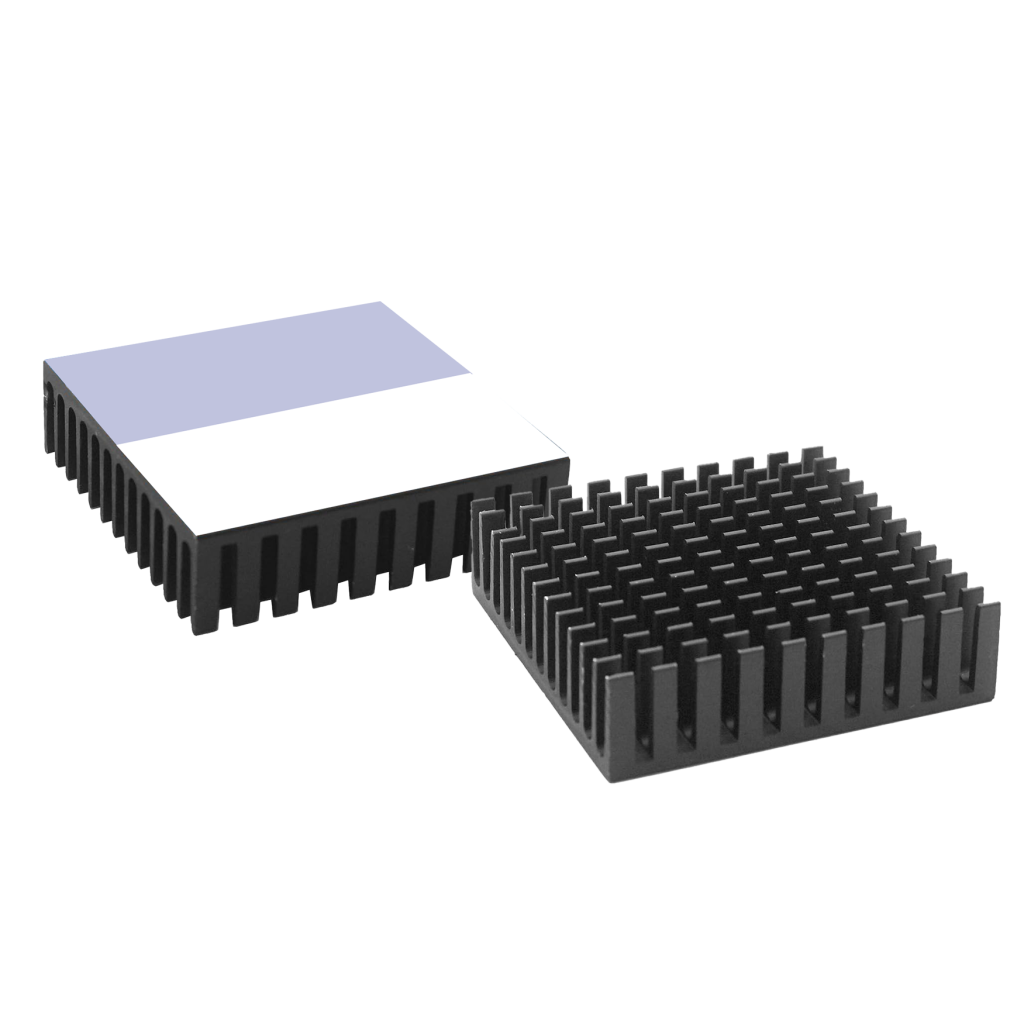
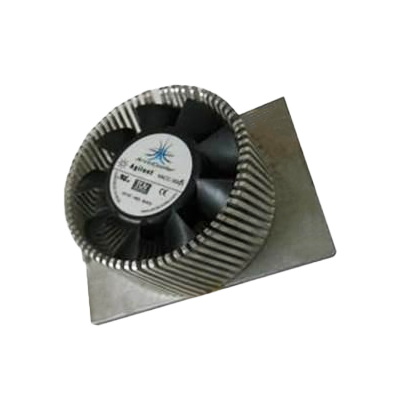
A BGA heatsink is a thermal management solution designed for Ball Grid Array (BGA) packages commonly found in high-performance electronics such as GPUs, CPUs, FPGAs, and other integrated circuits.
Since BGA components generate significant heat during operation, an effective heatsink is critical to prevent thermal damage, maintain performance, and extend device lifespan.

Product Information

bga heatsink

Product Information

bga heatsink

Product Information

bga heatsink
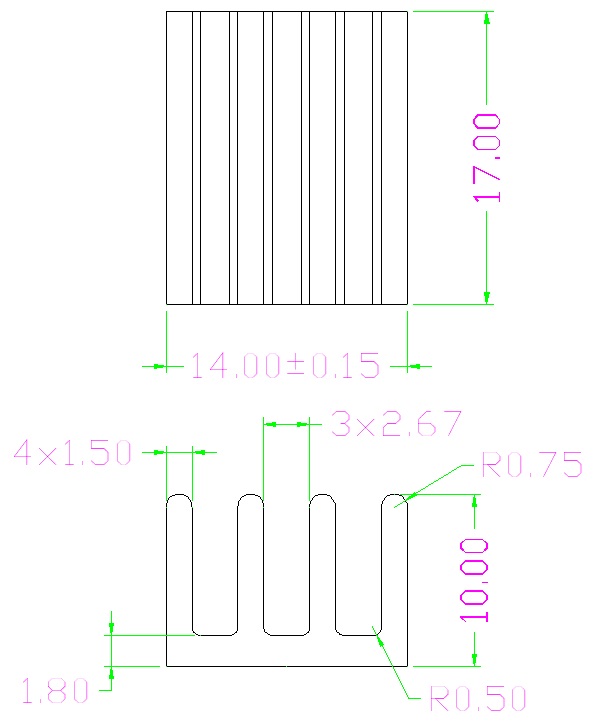
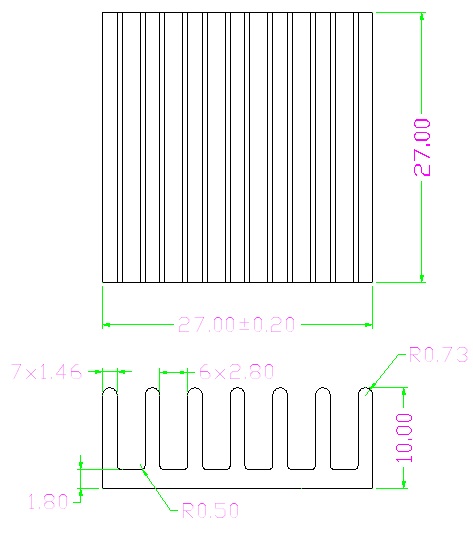
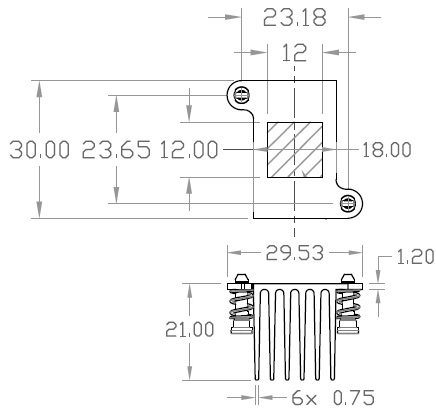
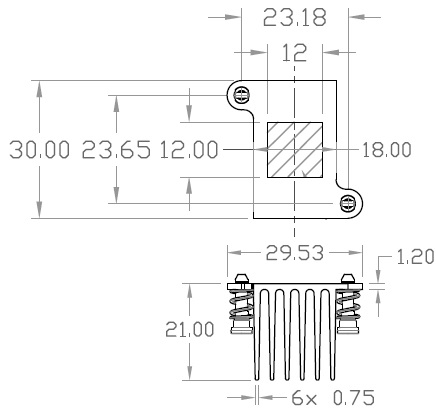
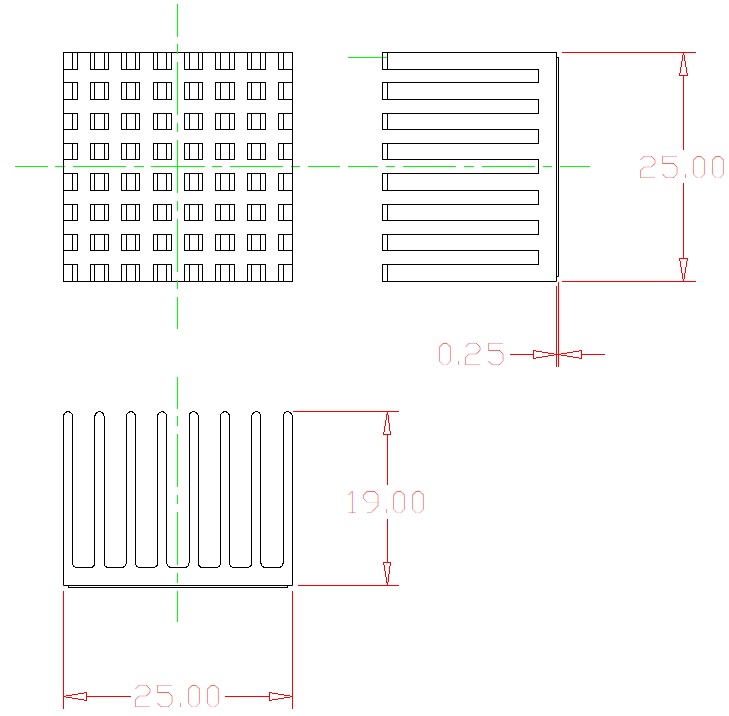
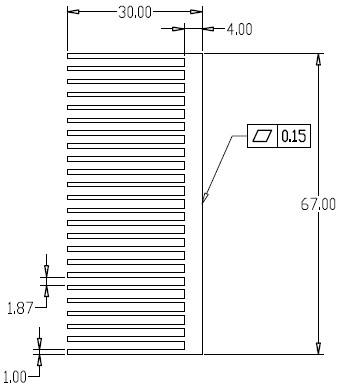
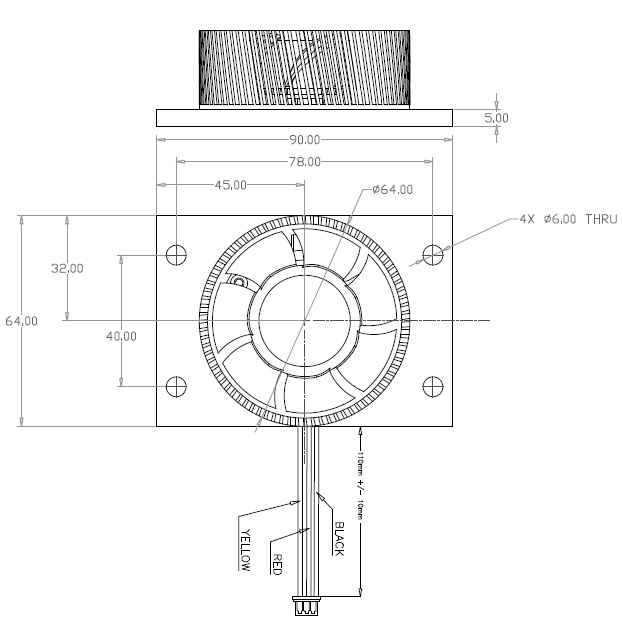
ProductDrawing
( Download )
MaterialLength (mm)Width (mm)Height (mm)
20-0246 Rev01AL6063-T5171410
20-0247 Rev01AL6063-T5272710
30-5224-05 Rev01AL6063-T53029.5321
30-5224-06 Rev01AL6063-T53029.5321
30-5573 Rev01AL6063-T5252519
30-5638-12 Rev 03AL6063-T55072.5030
30-6060 Rev02 (E8006AL6063-T5649029

How a BGA Heatsink Works

  1. Heat Absorption
    The heatsink is mounted directly on the BGA chip using thermal adhesive, thermal tape, or a clip-on mechanism.
  2. Heat Spreading
    Made from high thermal conductivity materials such as aluminum or copper, the heatsink spreads heat evenly across its surface.
  3. Heat Dissipation
    Fins increase surface area, improving airflow and enabling heat to dissipate into the surrounding environment.
  4. Cooling Methods
  5. Passive Cooling: Relies on natural convection.
  6. Active Cooling: Uses an integrated fan or system airflow for enhanced heat removal.

Types of BGA Heatsinks

  • Clip-On Heatsinks – Easy to install and remove using spring clips or push-pins.
  • Adhesive Heatsinks – Attached directly with thermal tape or epoxy.
  • Fan-Cooled Heatsinks – Built-in fan for high-performance cooling.

Applications

  • High-performance computing (GPUs, CPUs)
  • Networking equipment (switches, routers)
  • Industrial automation
  • AI and machine learning processors
  • FPGA-based systems

Benefits of Using a BGA Heatsink

  • Optimized Heat Management – Keeps high-power chips at safe operating temperatures.
  • Extended Component Lifespan – Prevents thermal degradation.
  • Consistent Performance – Maintains stability during prolonged workloads.

Key Factors When Choosing a BGA Heatsink

  • Chip size and thermal contact area
  • Material – Aluminum for lightweight, copper for superior conductivity
  • Cooling method – Passive vs. active
  • Mounting method – Adhesive, clip-on, or custom
  • System airflow – Ensure compatibility with internal ventilation

A BGA heatsink is an essential component for ensuring reliable performance in high-power electronics.
By selecting the right type, material, and cooling method, you can maximize efficiency, prevent overheating, and maintain optimal performance in demanding applications.

Need something special? Talk to our engineers today!
Scroll to Top