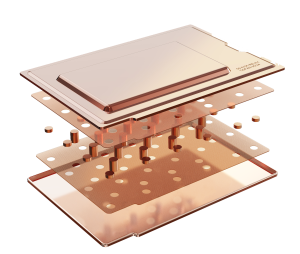
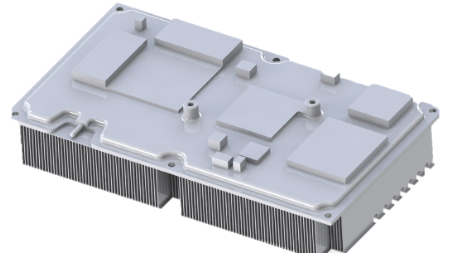
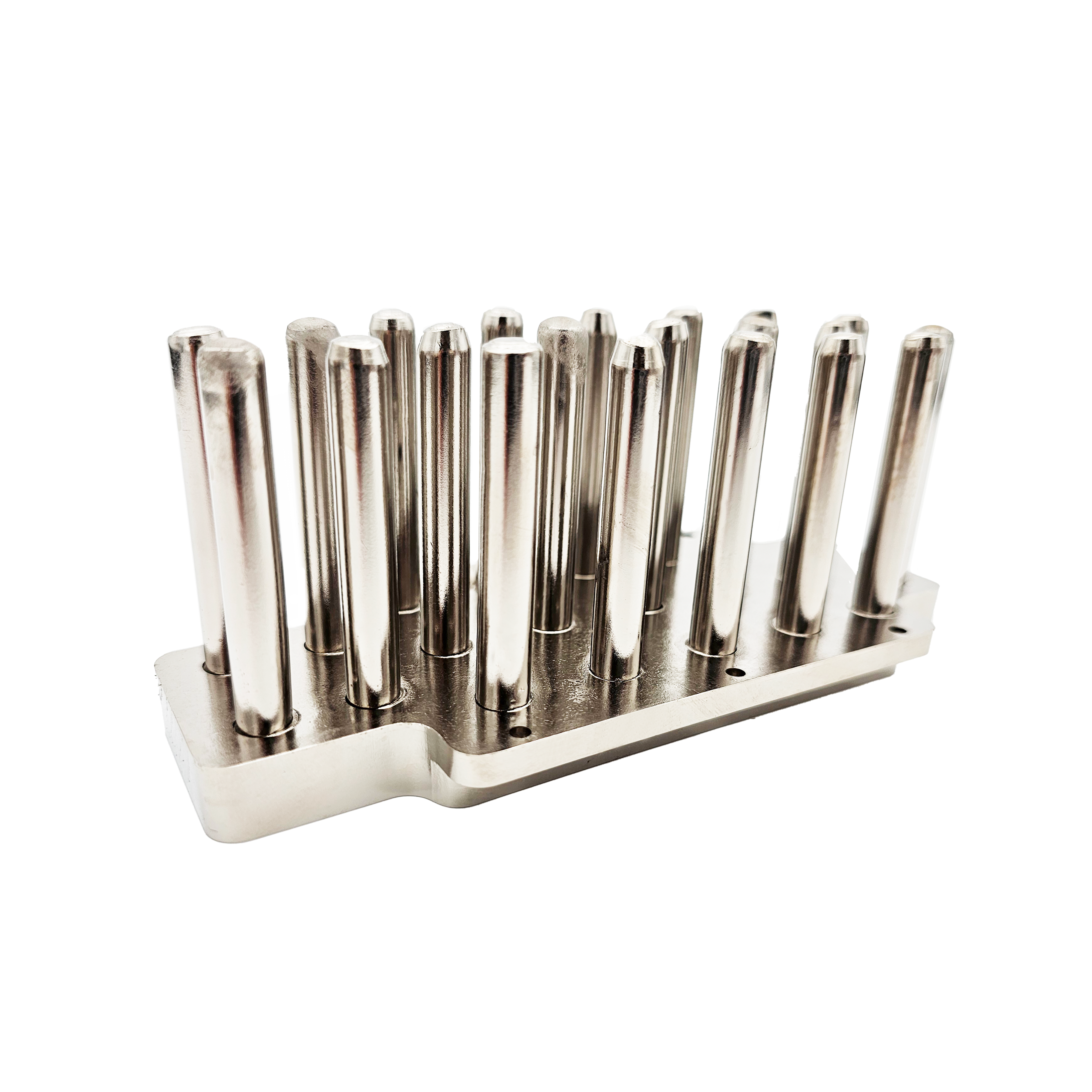
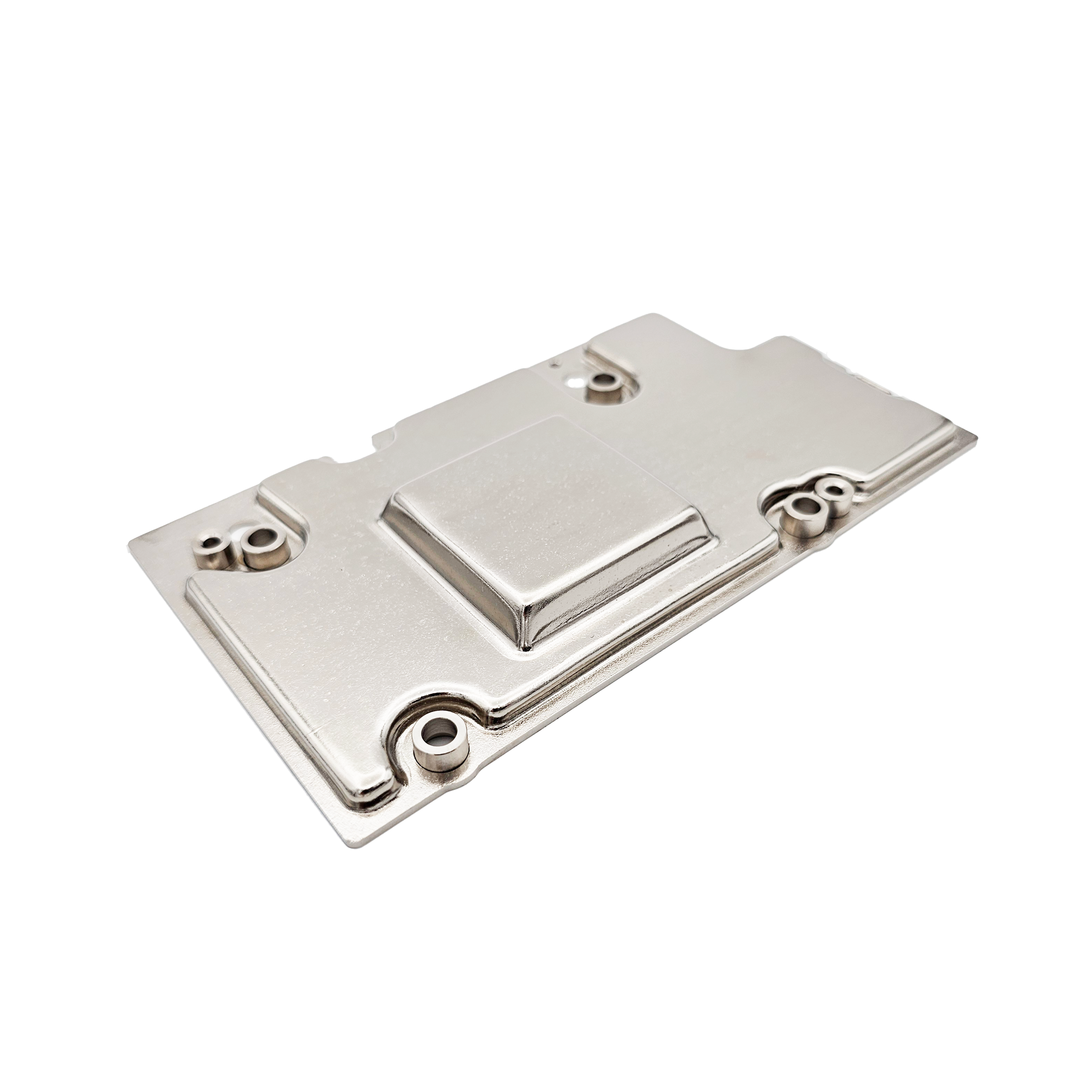
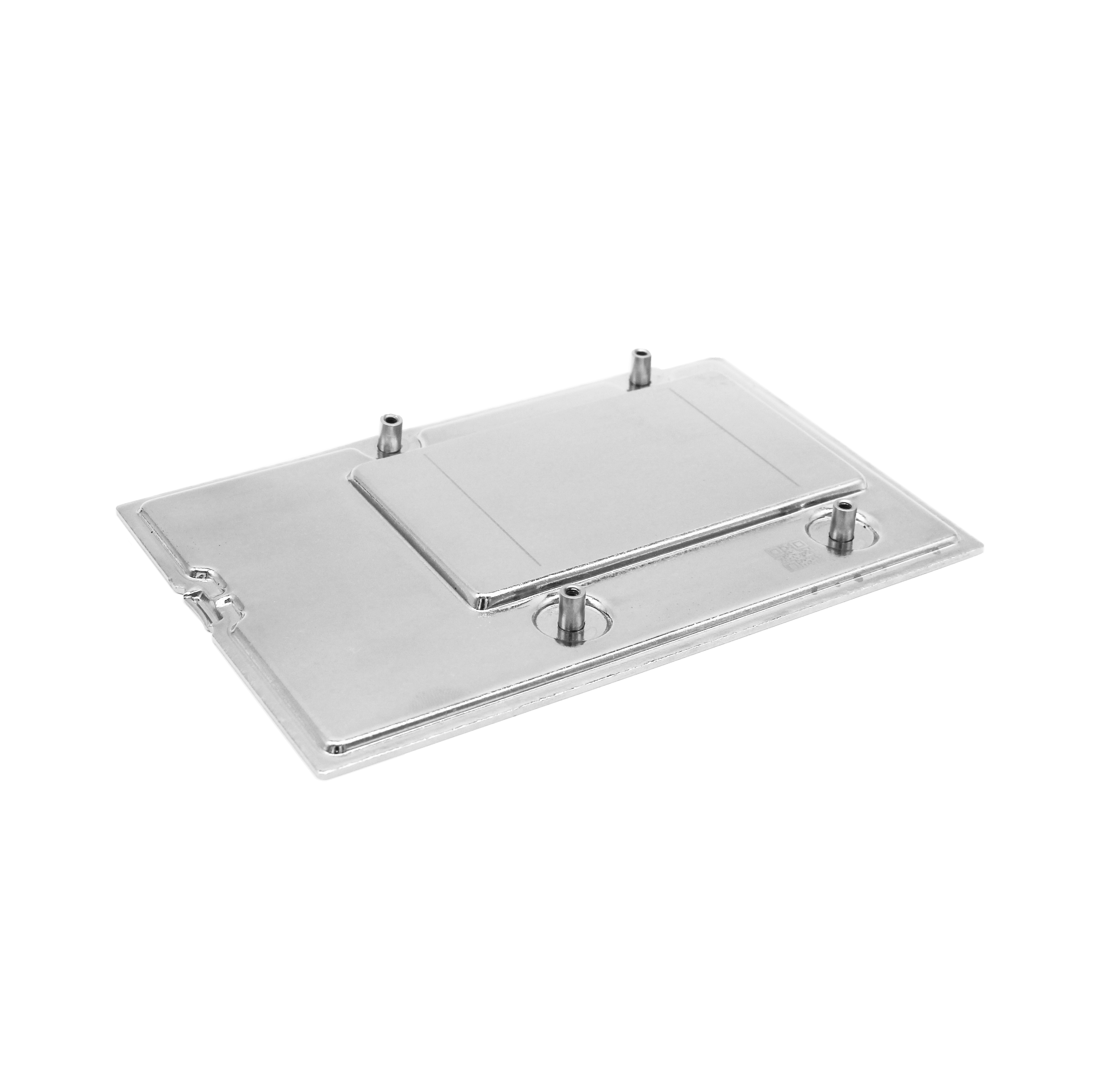
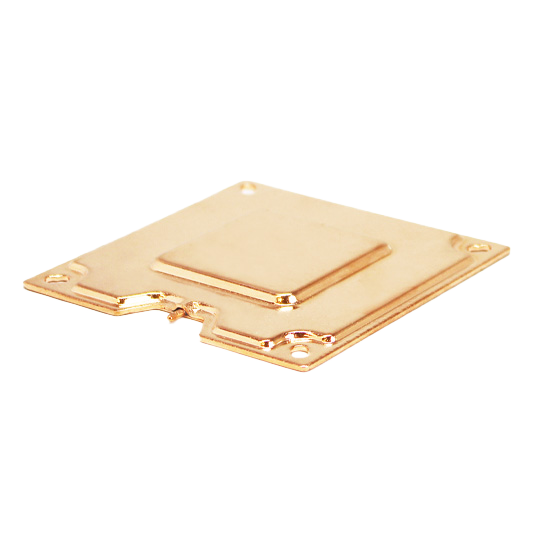
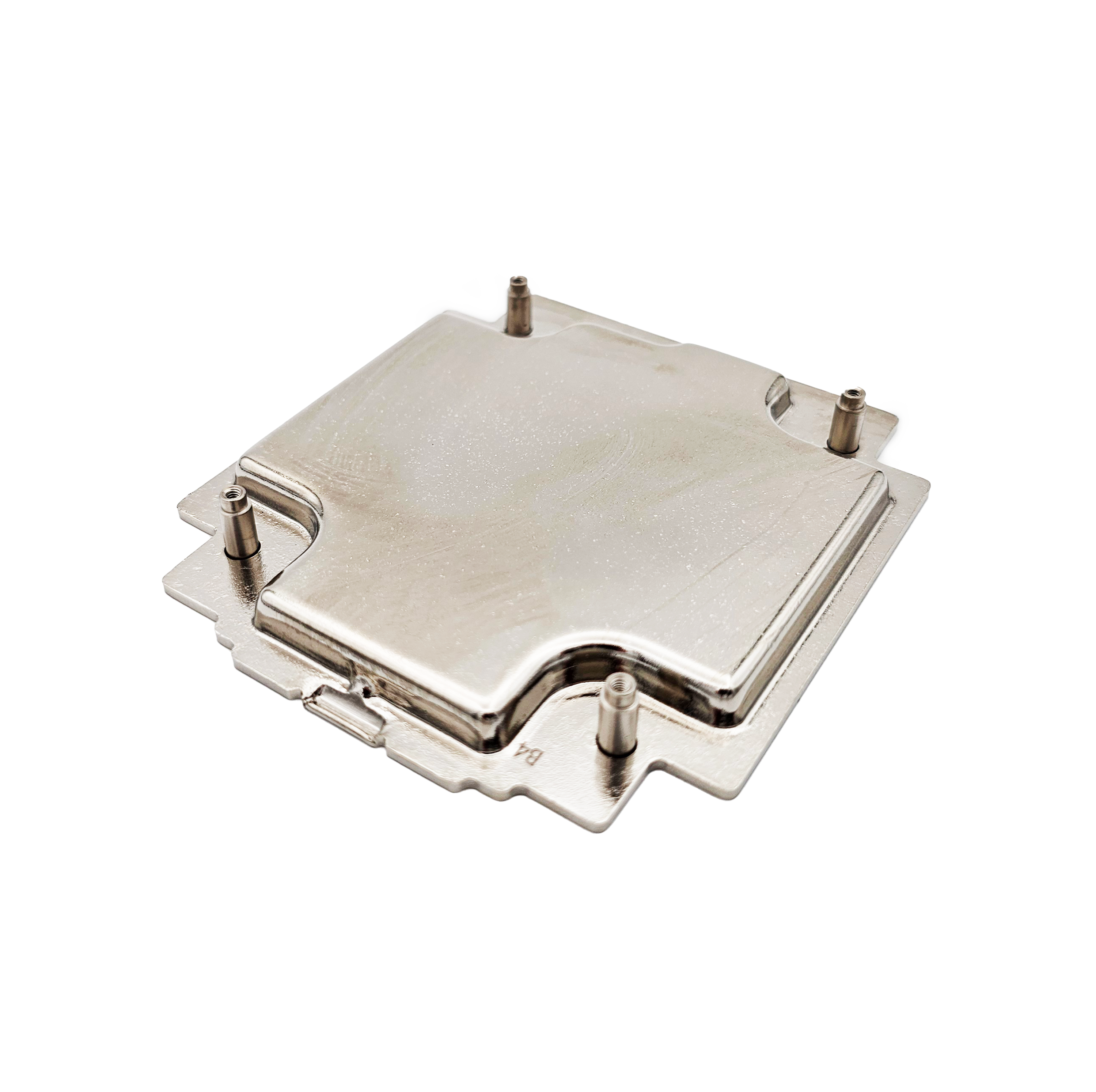
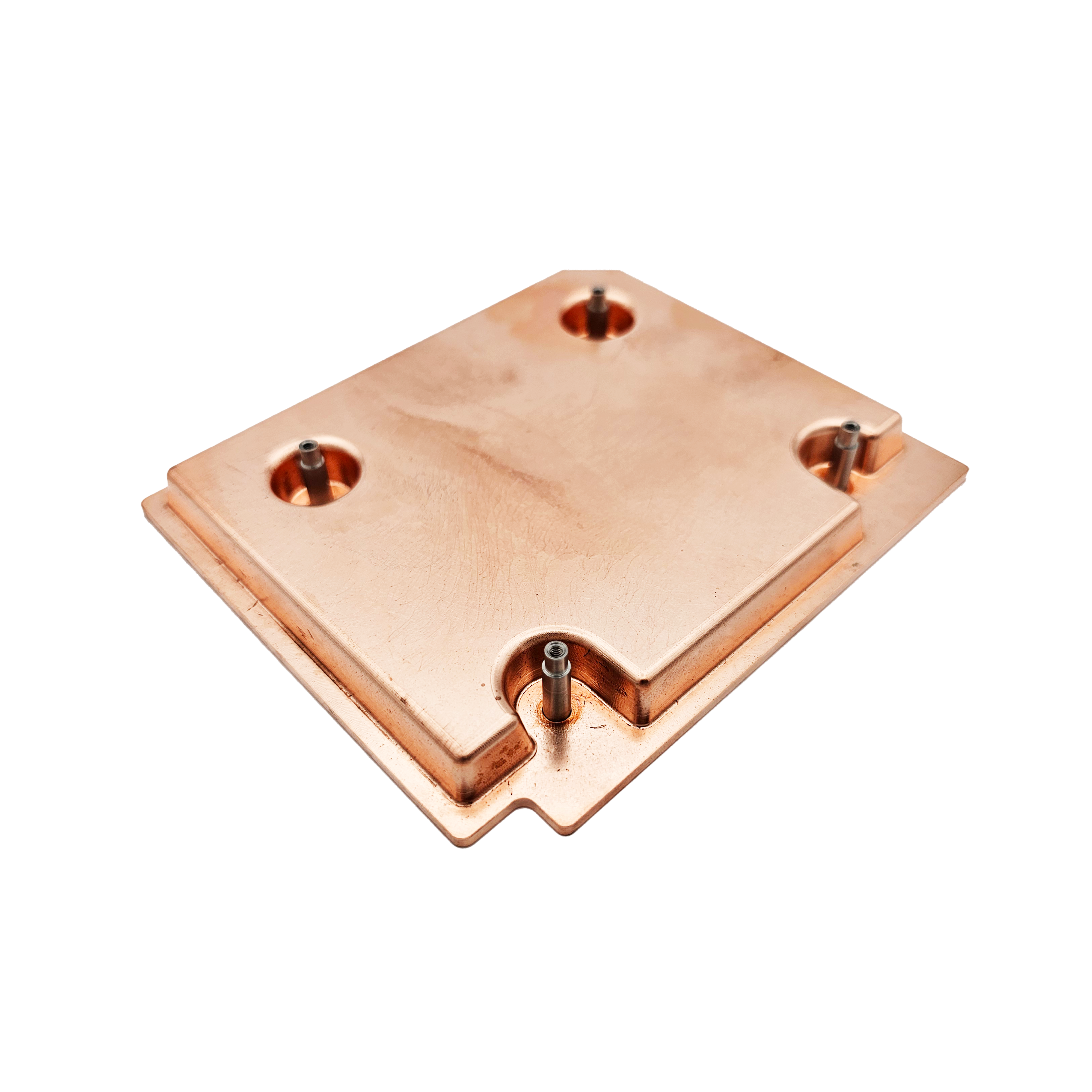
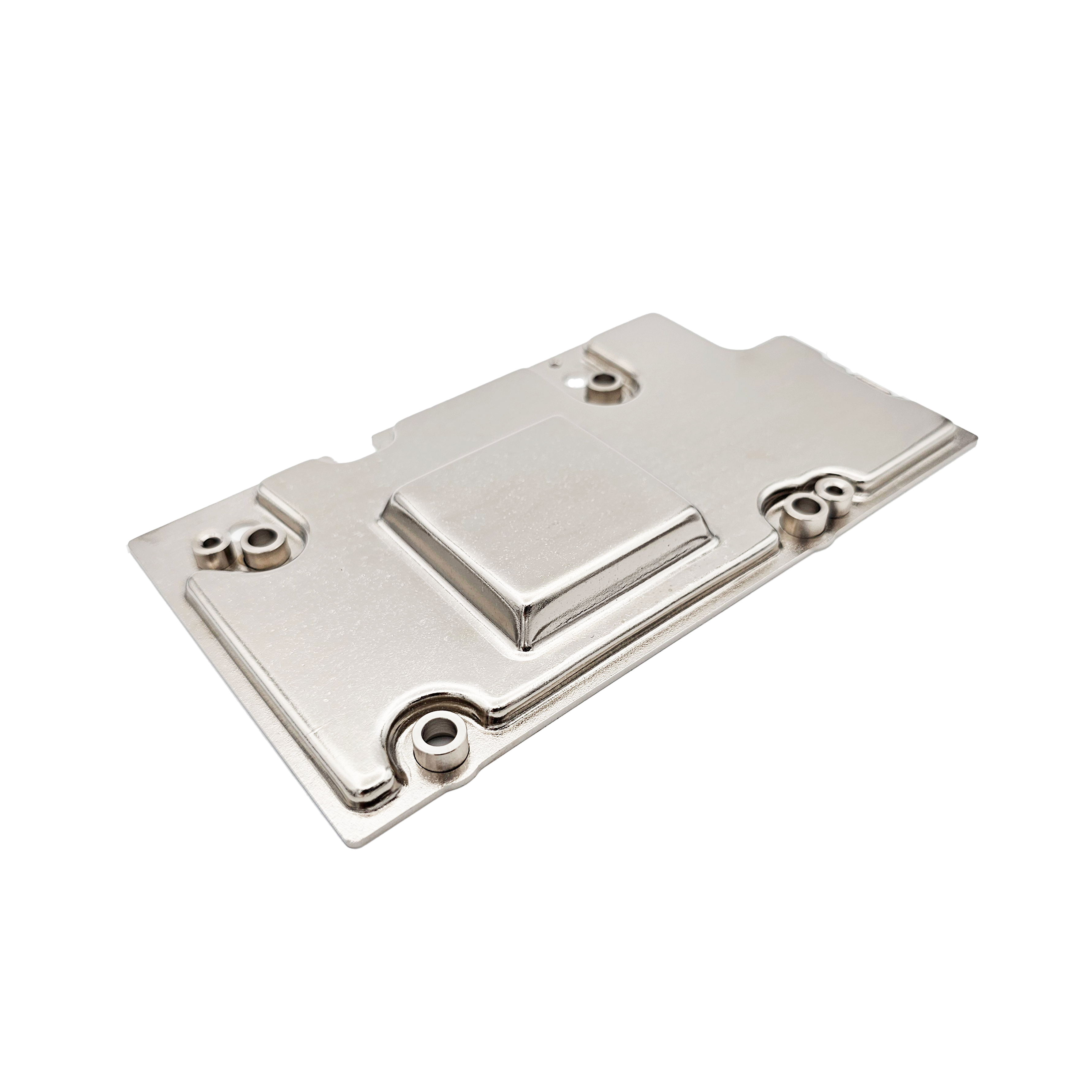
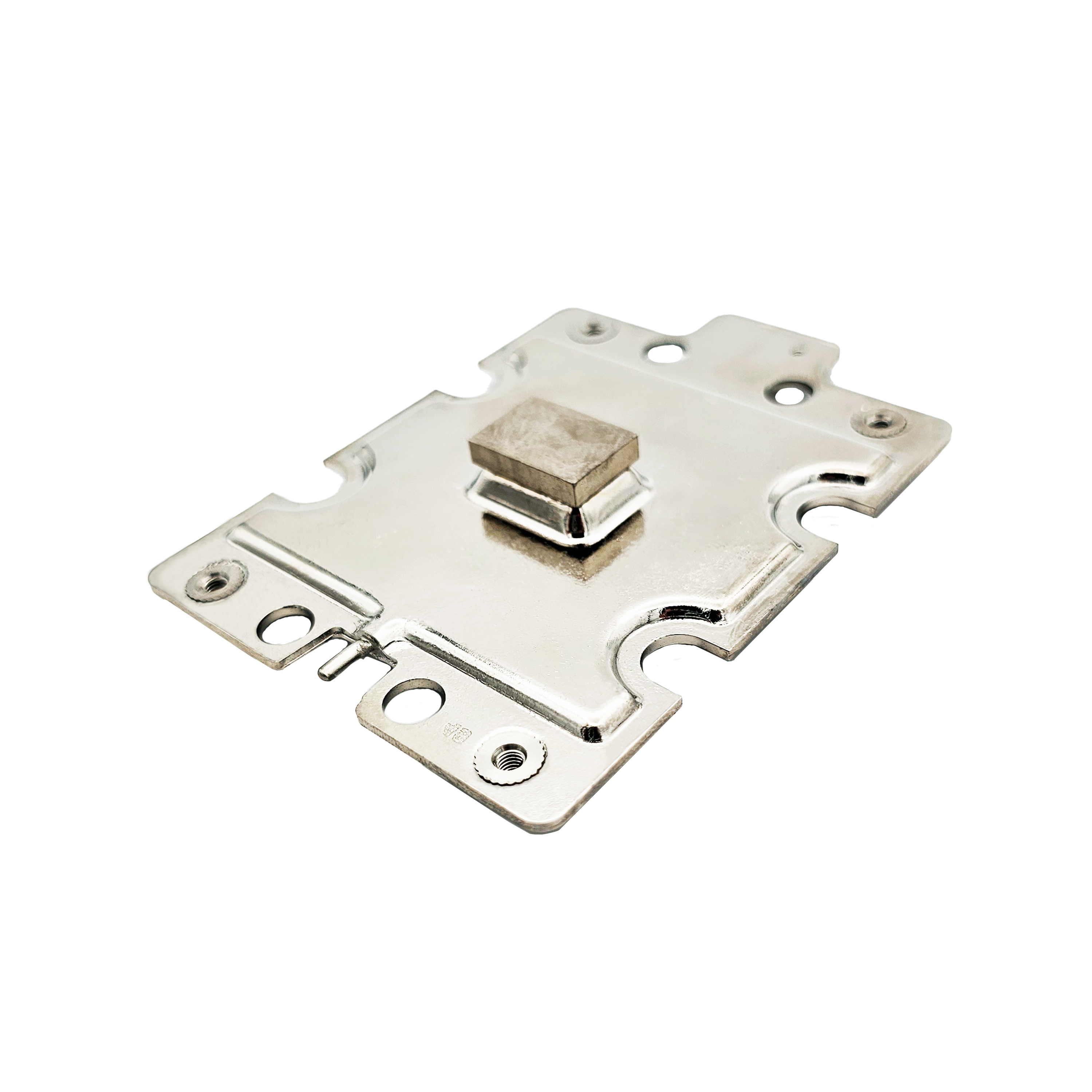
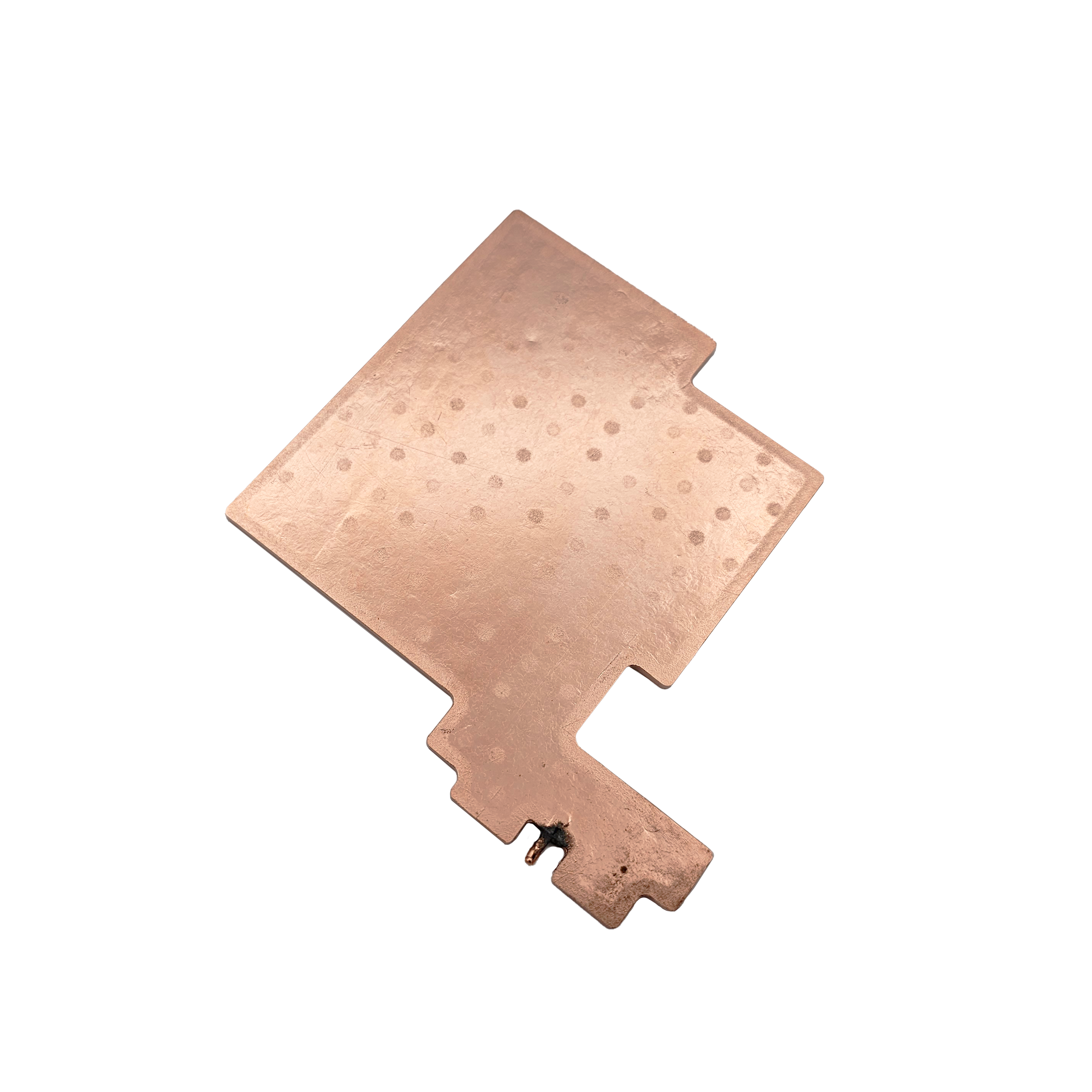
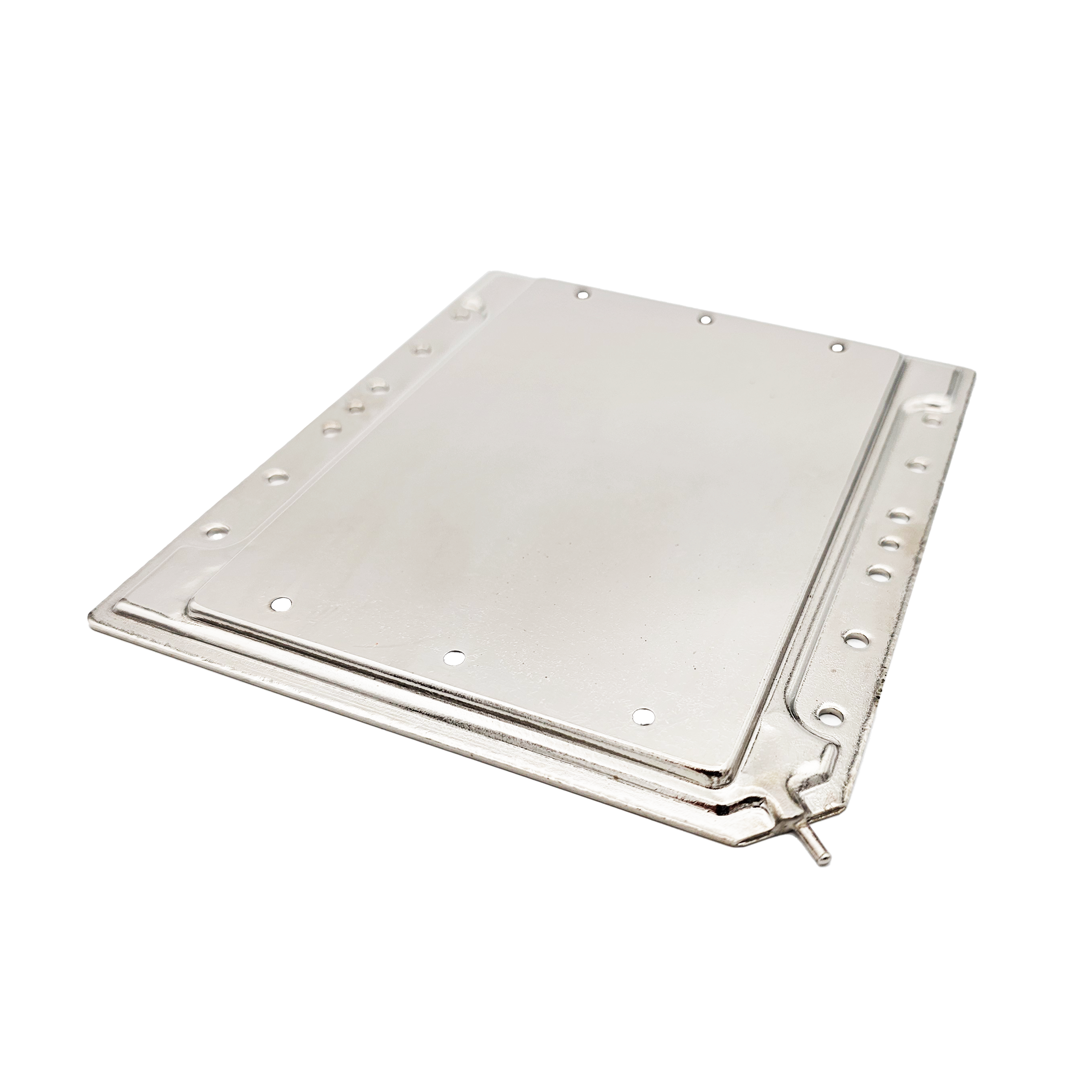
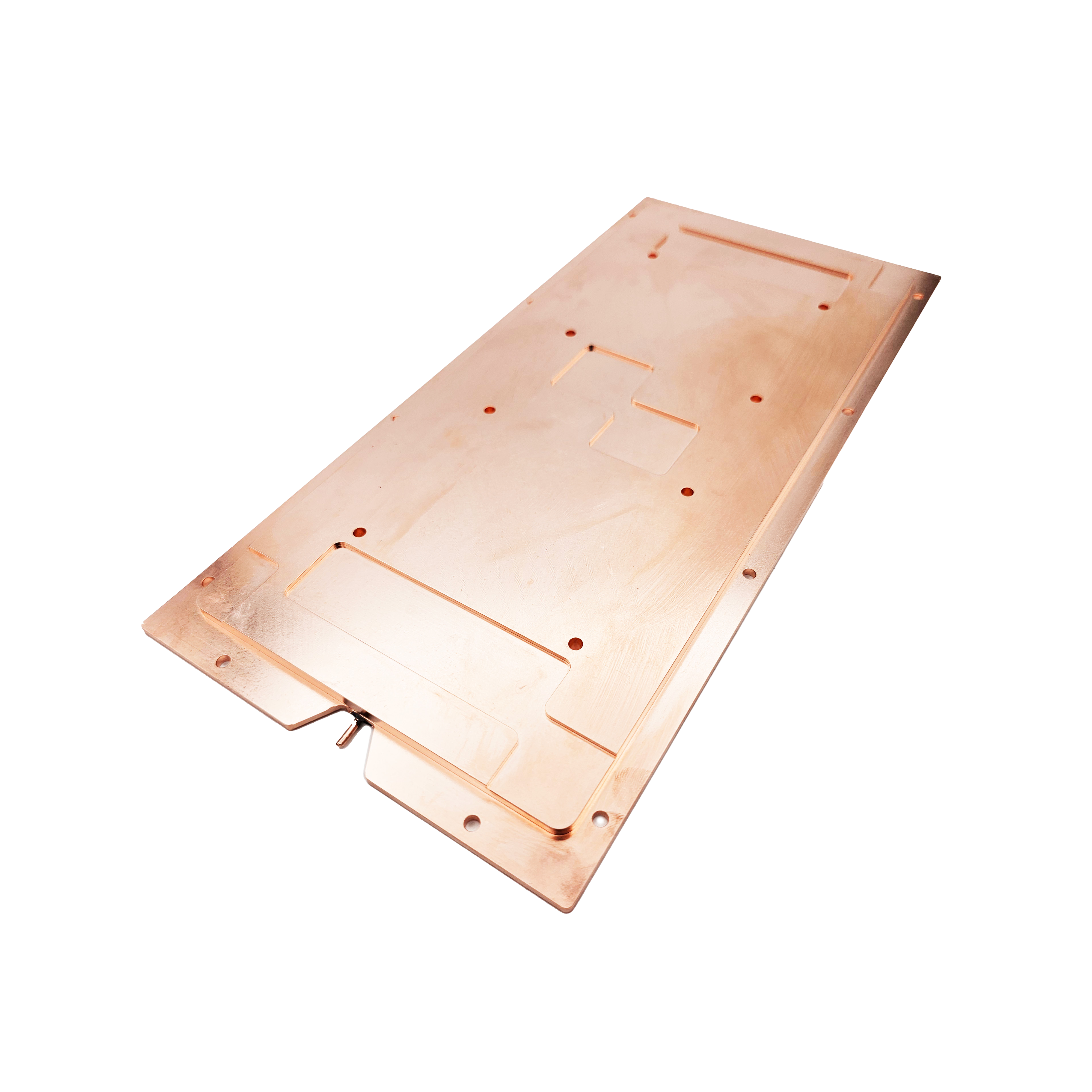
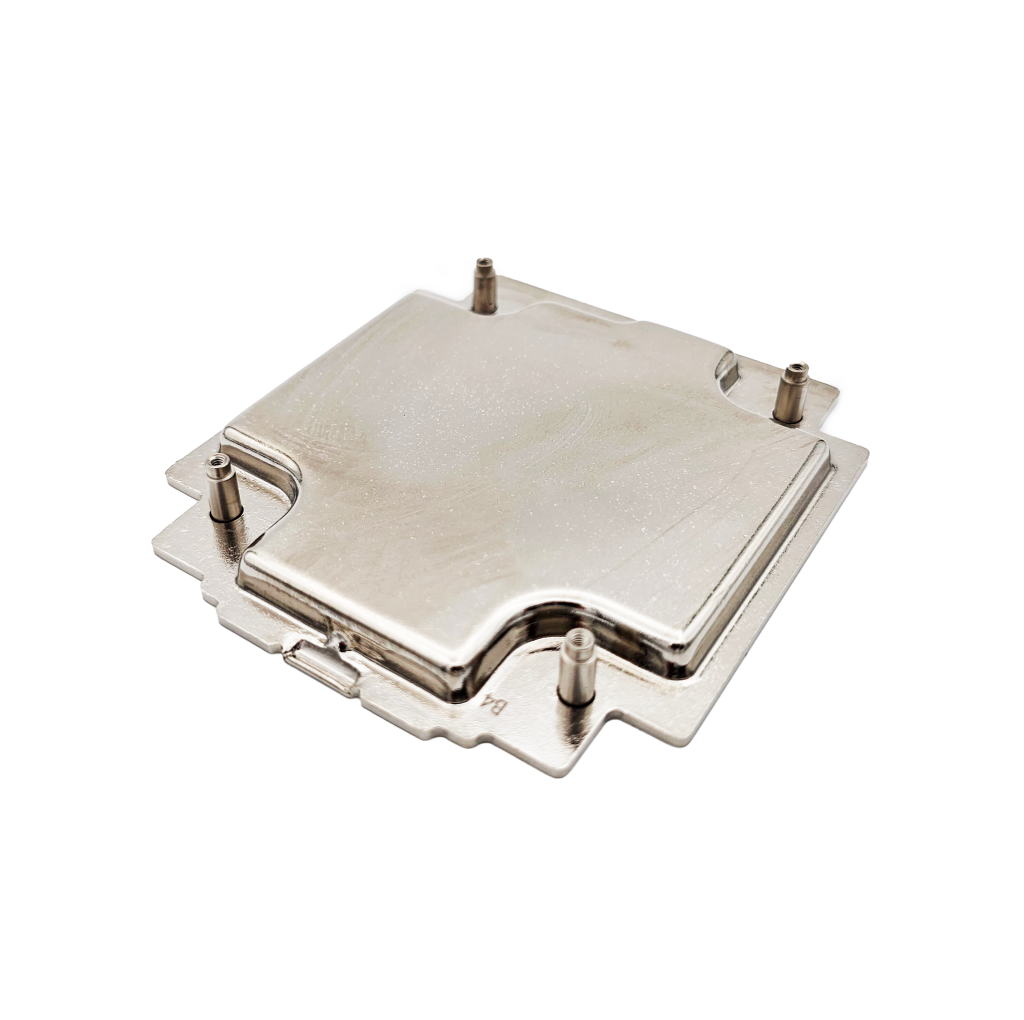
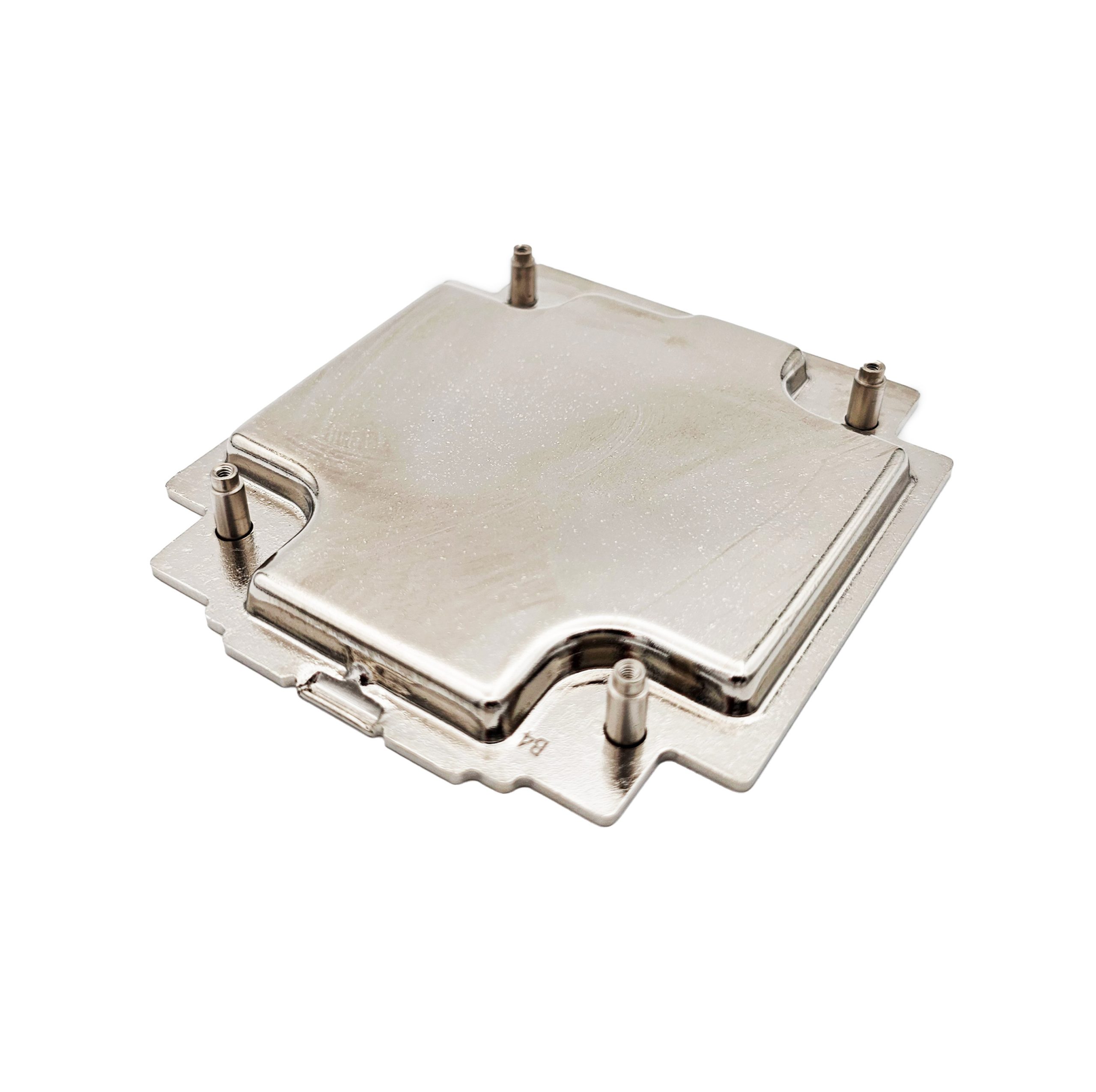
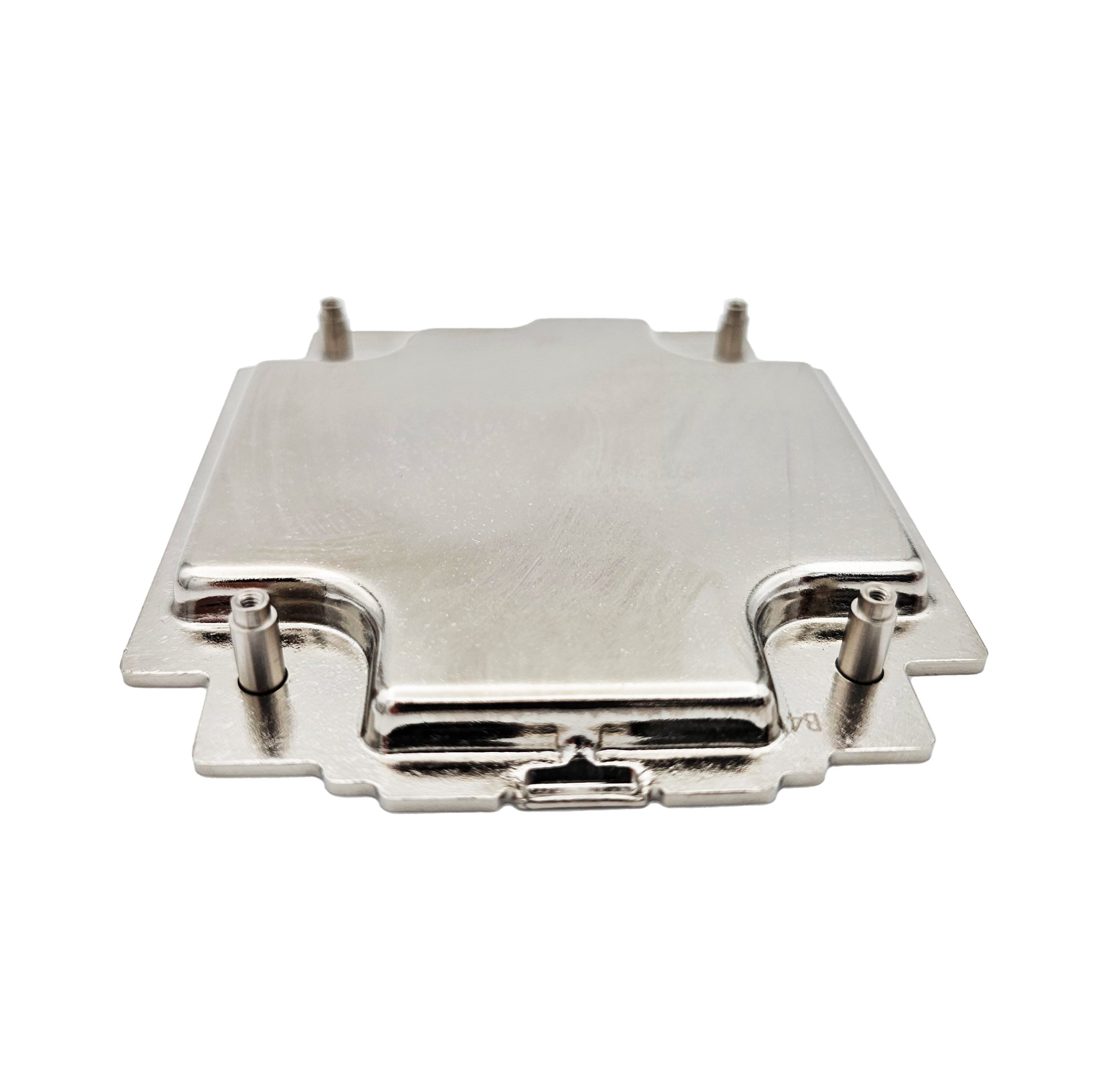
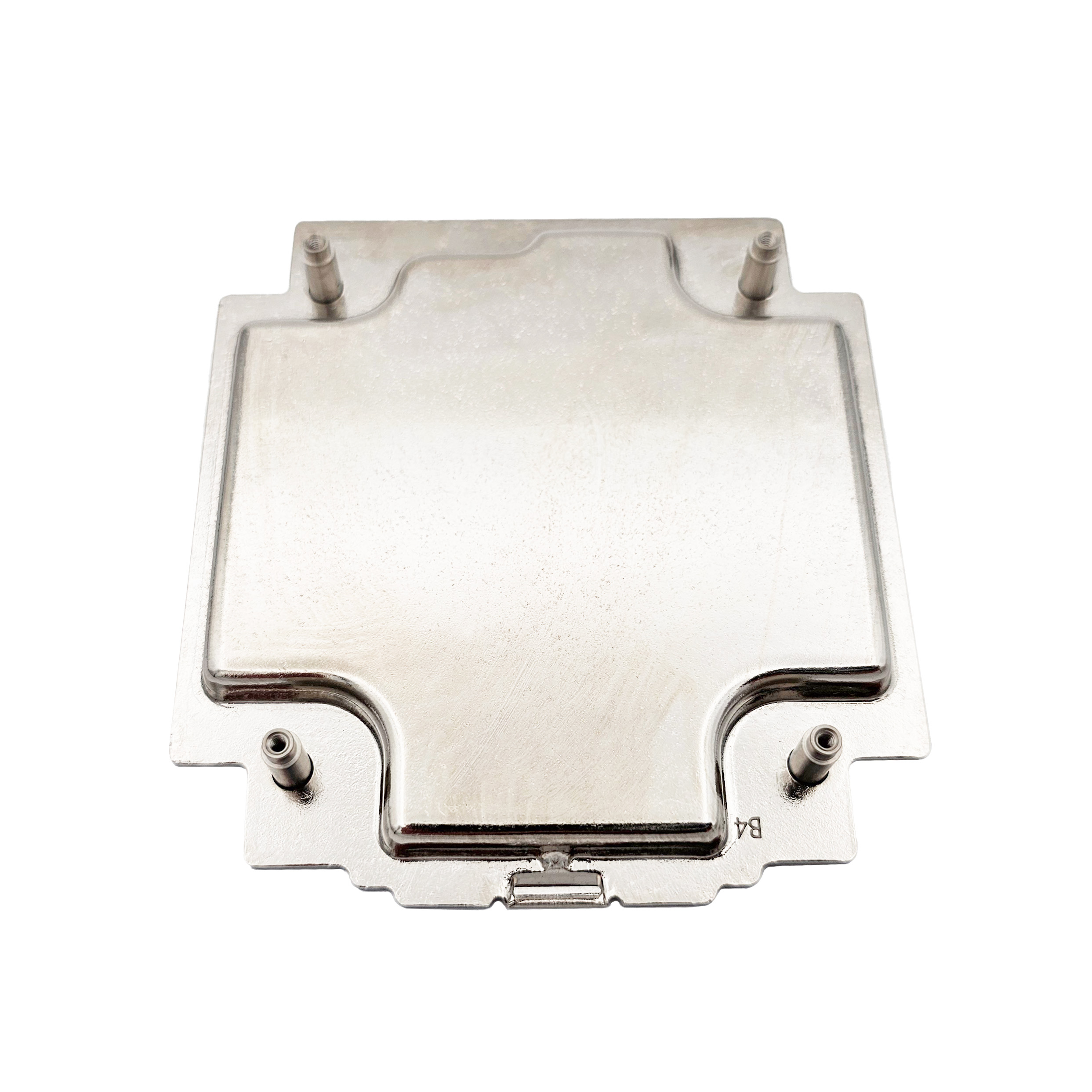
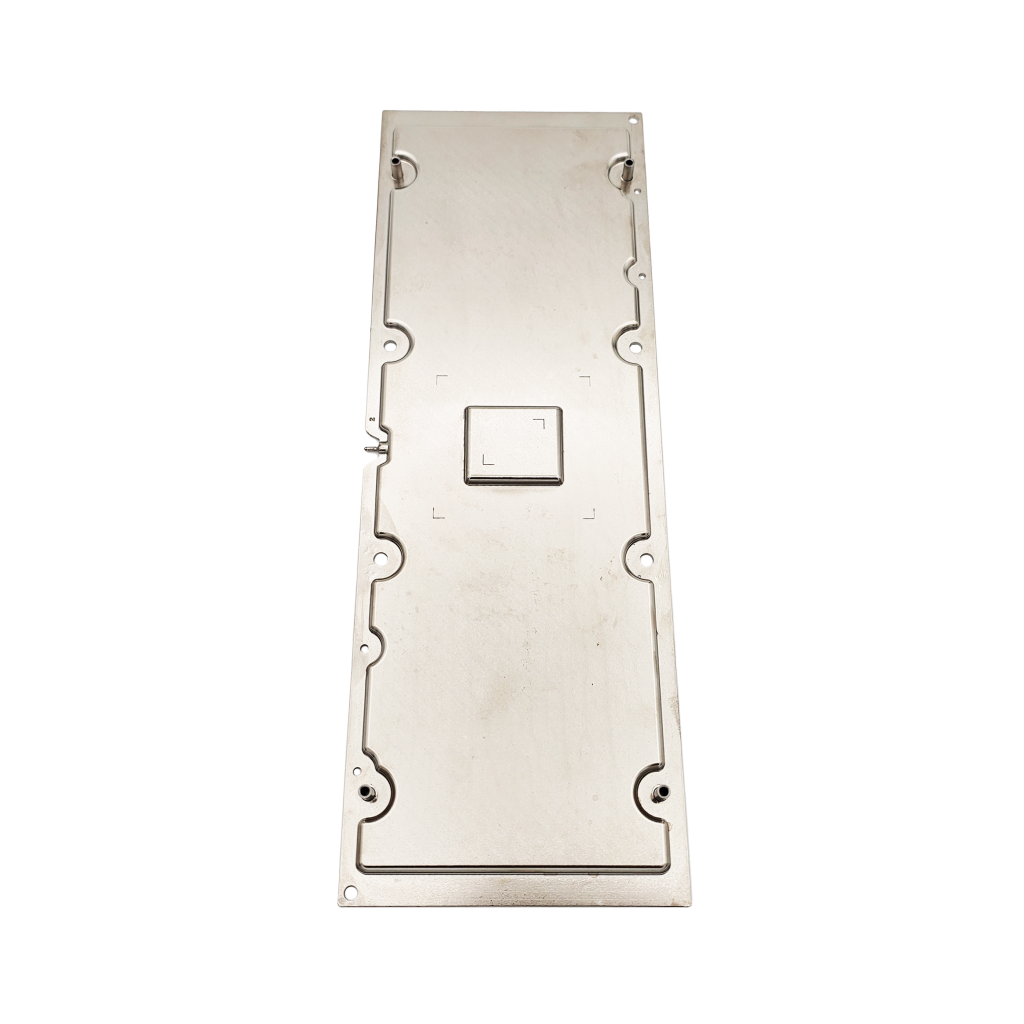
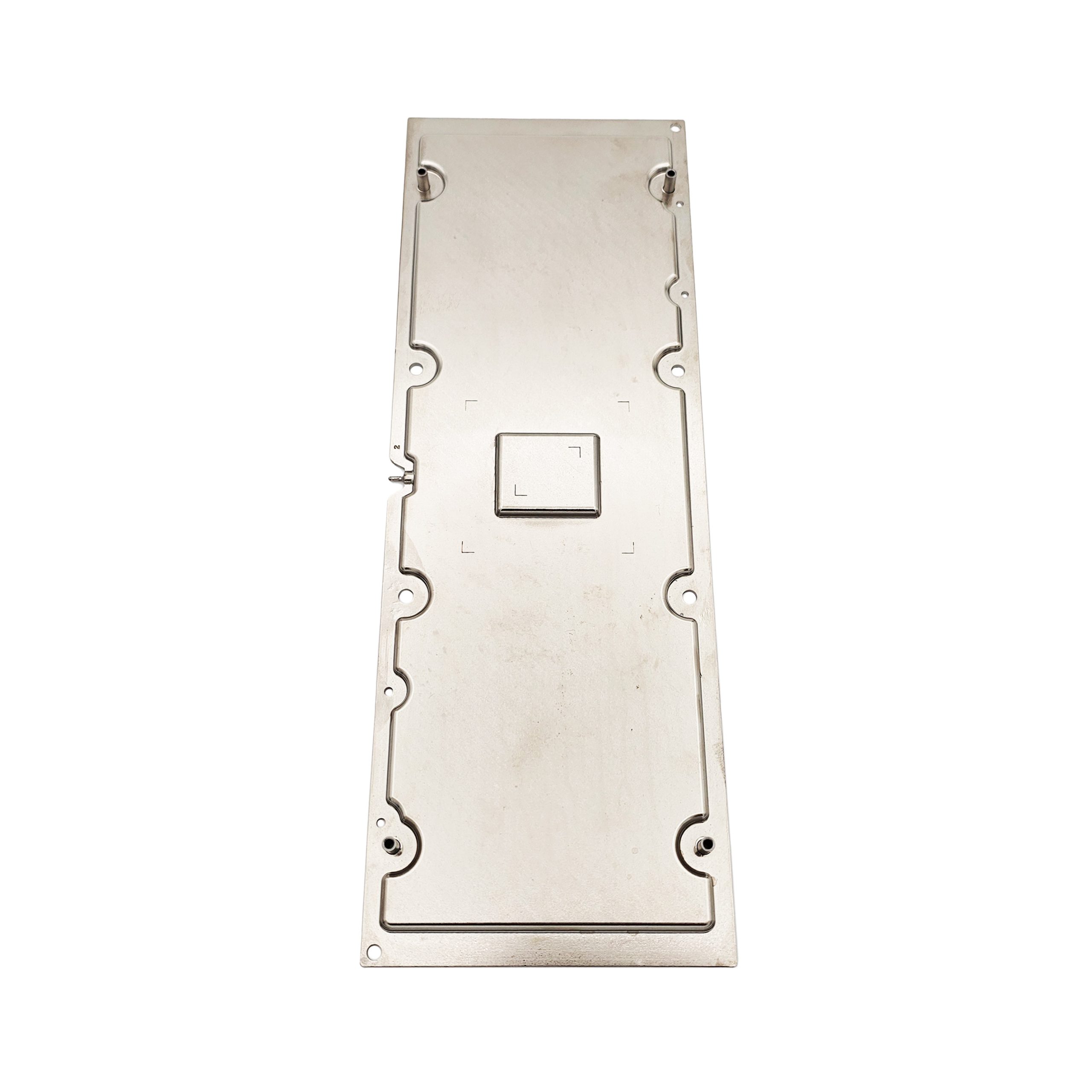
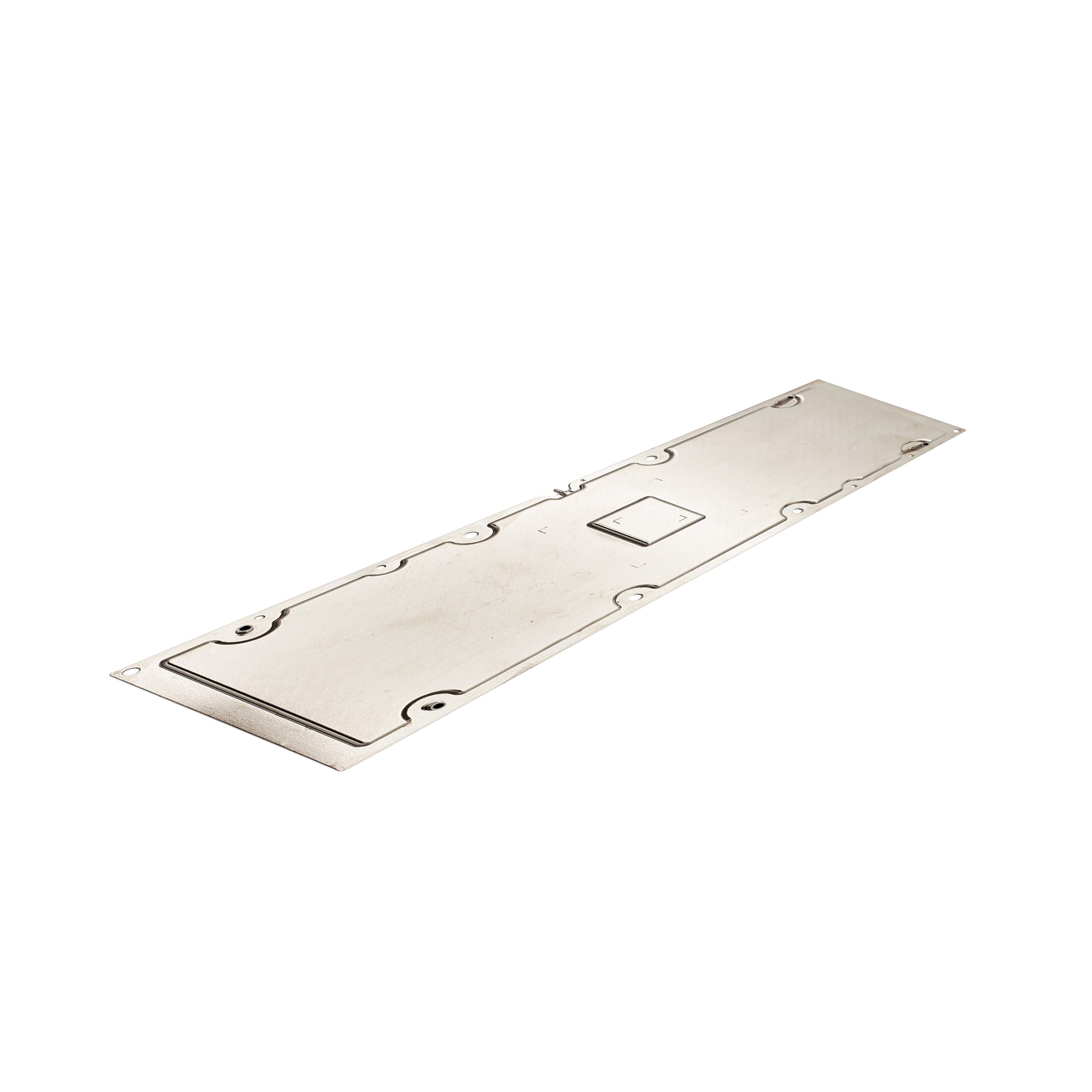
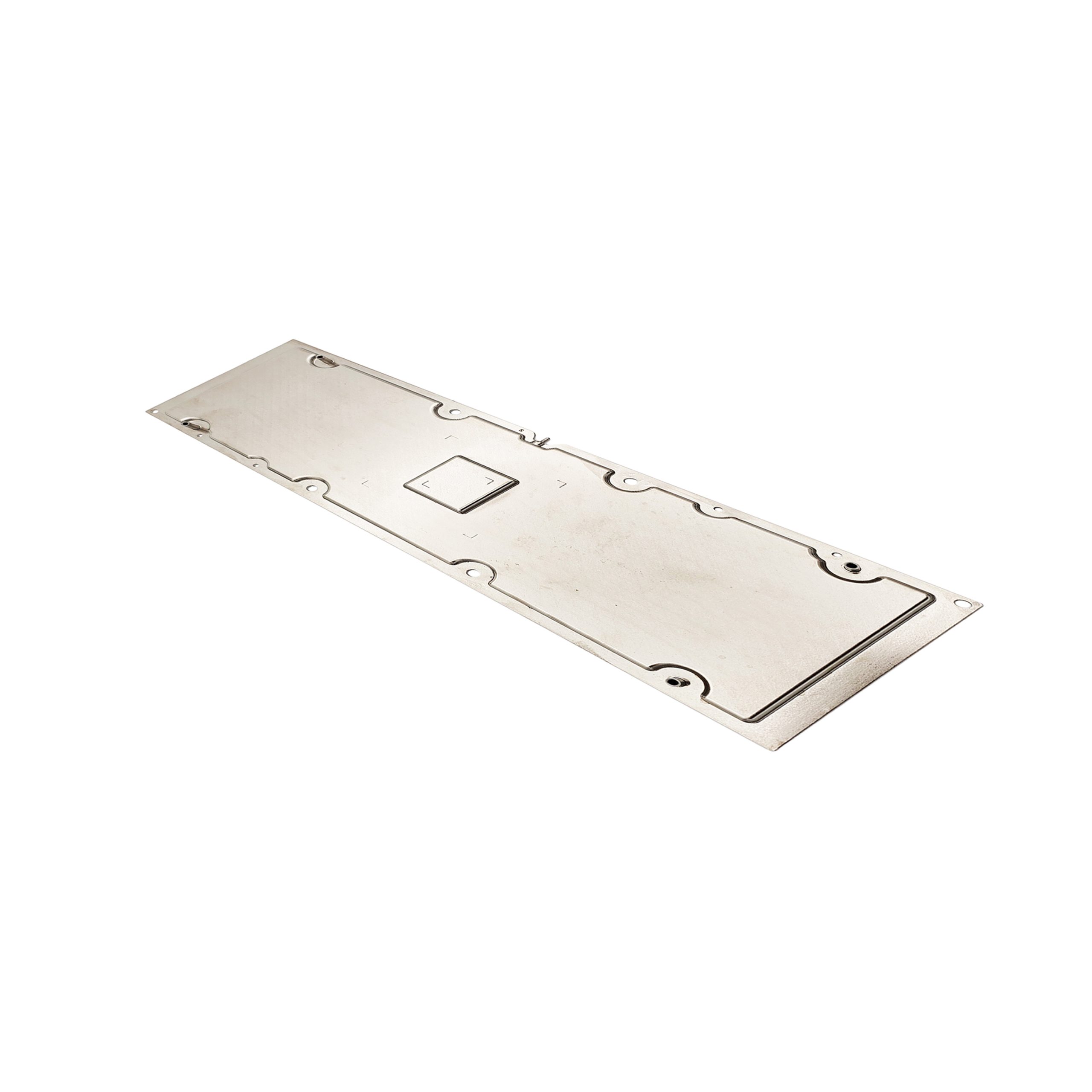
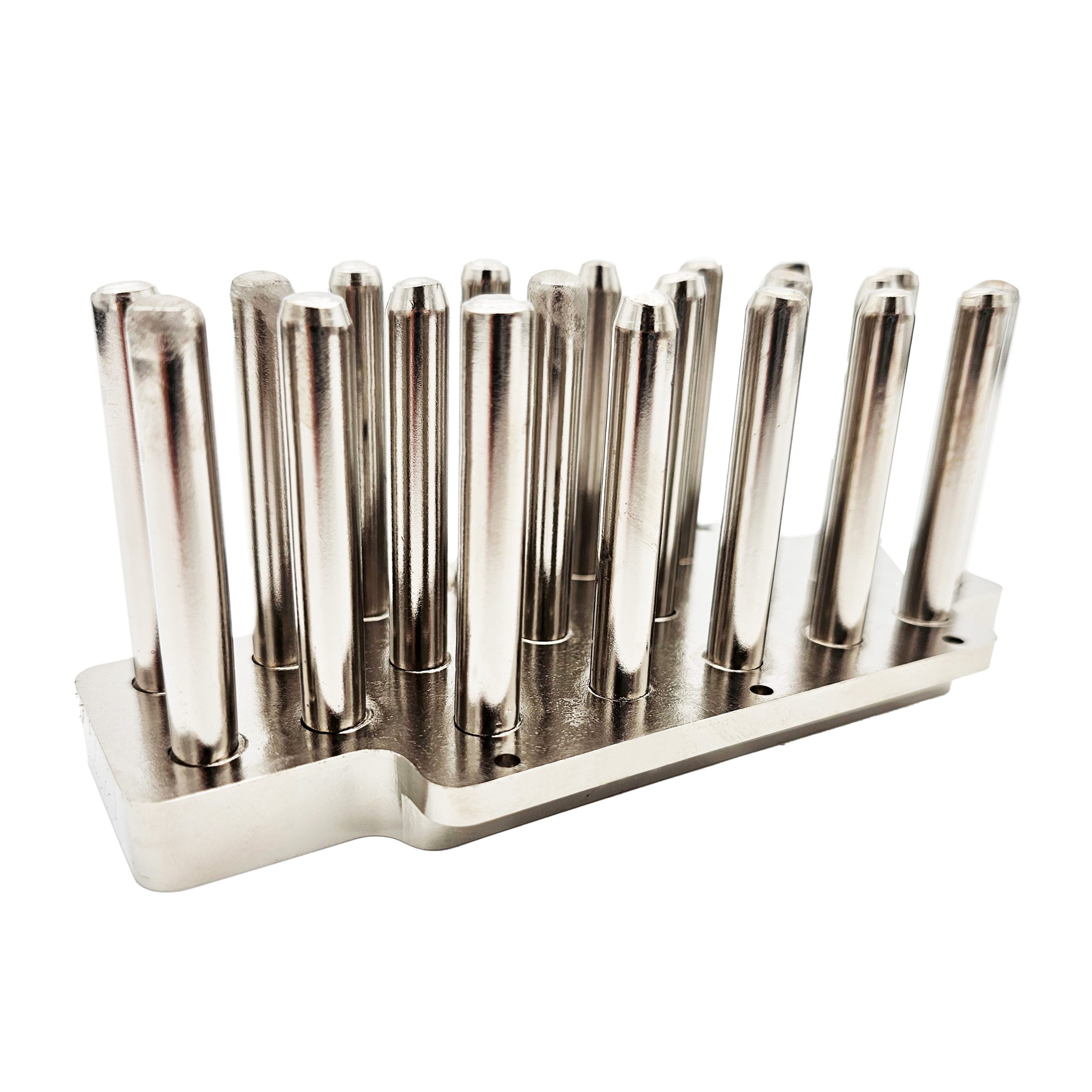
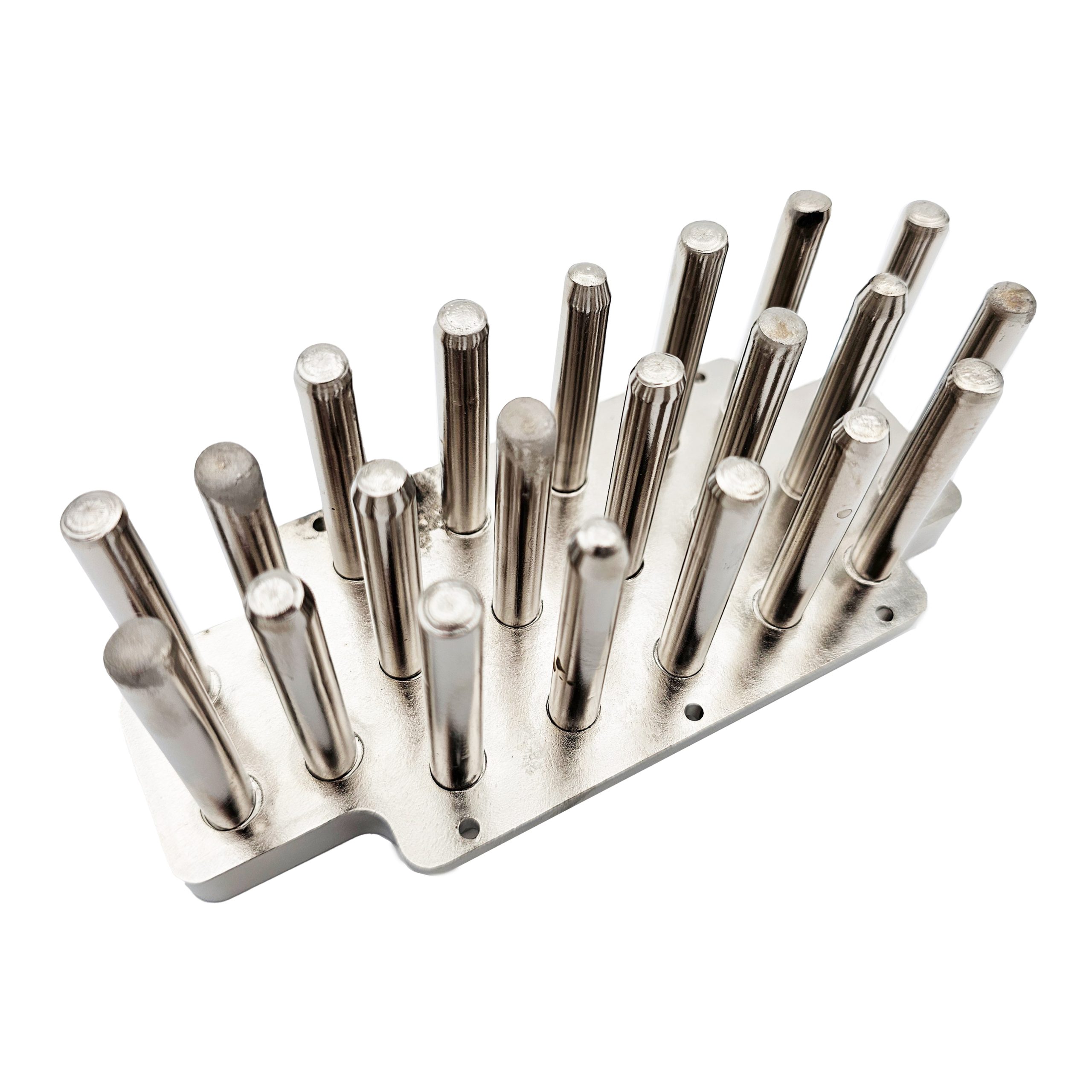
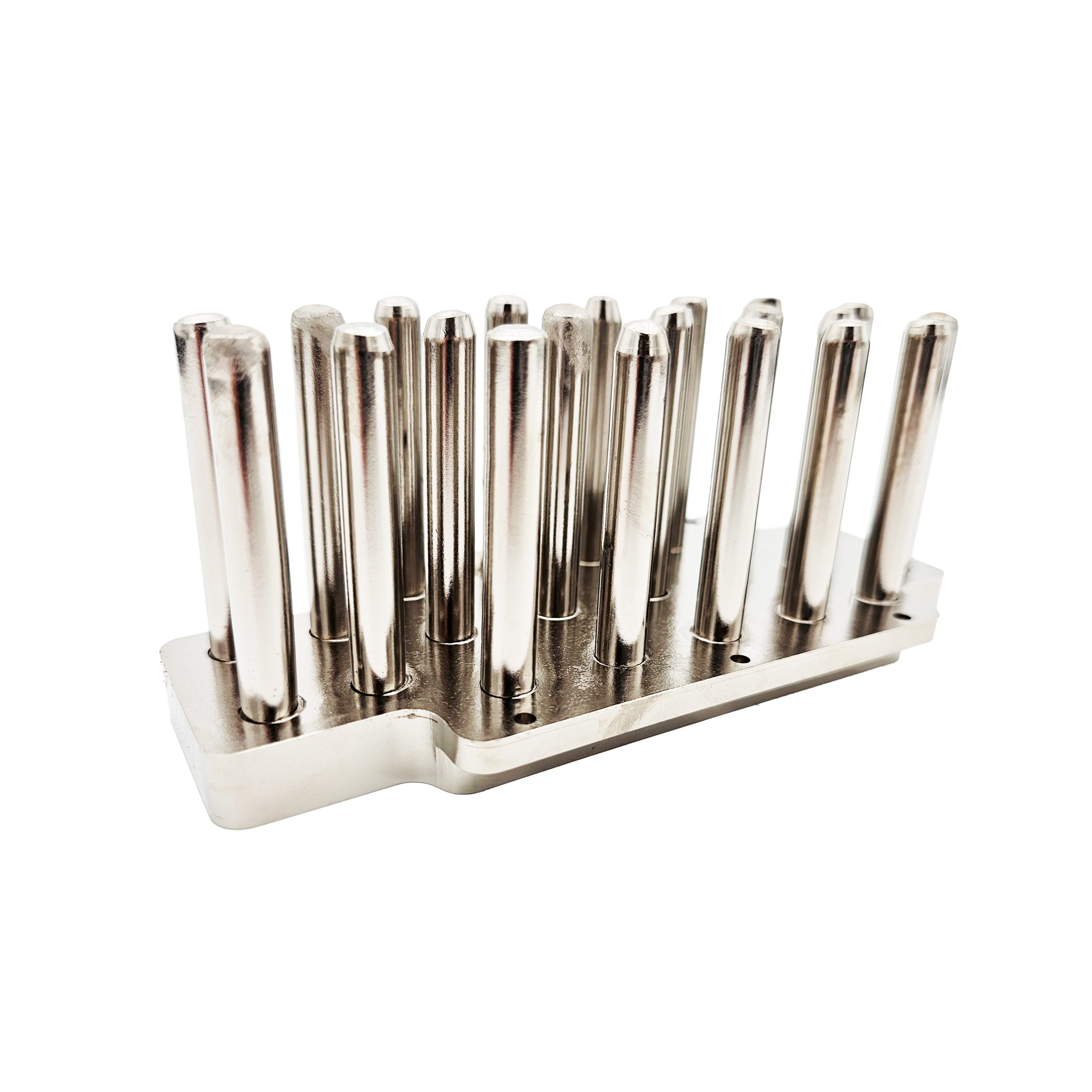
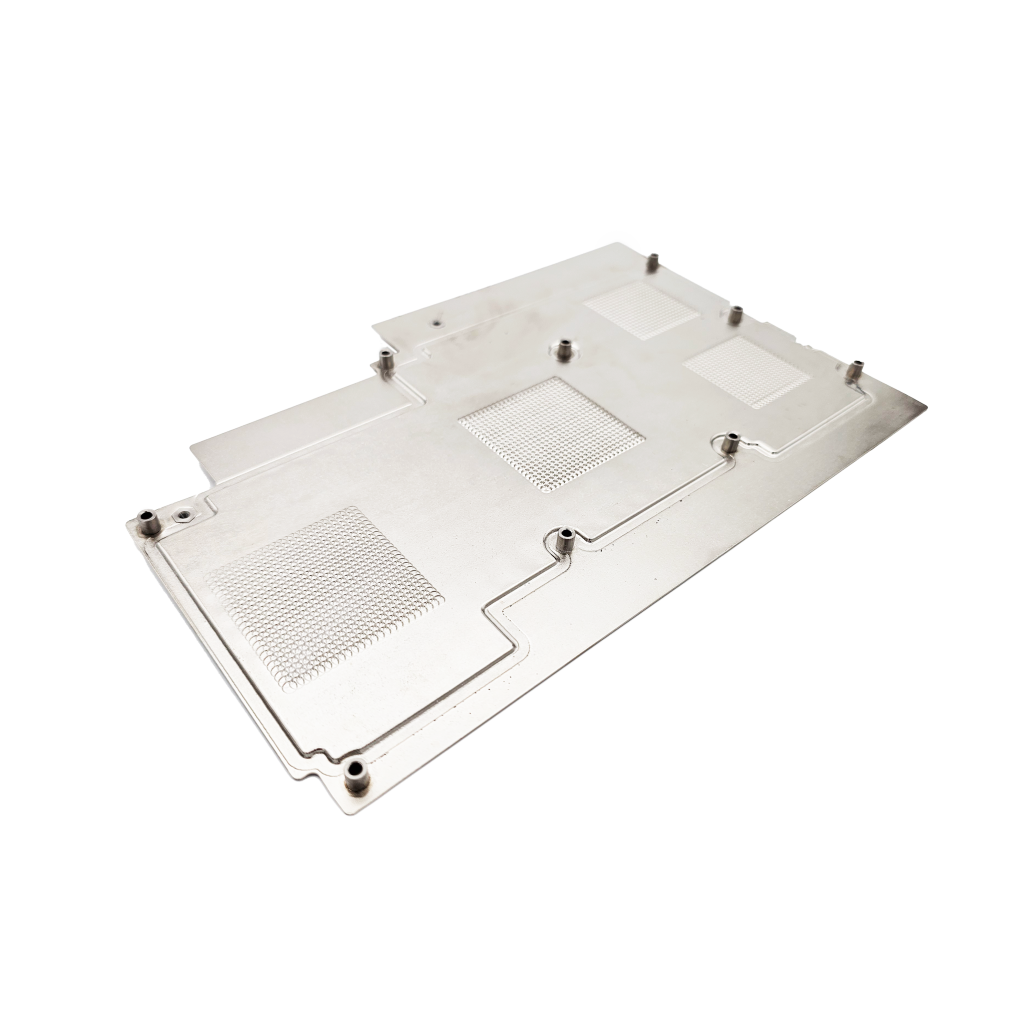
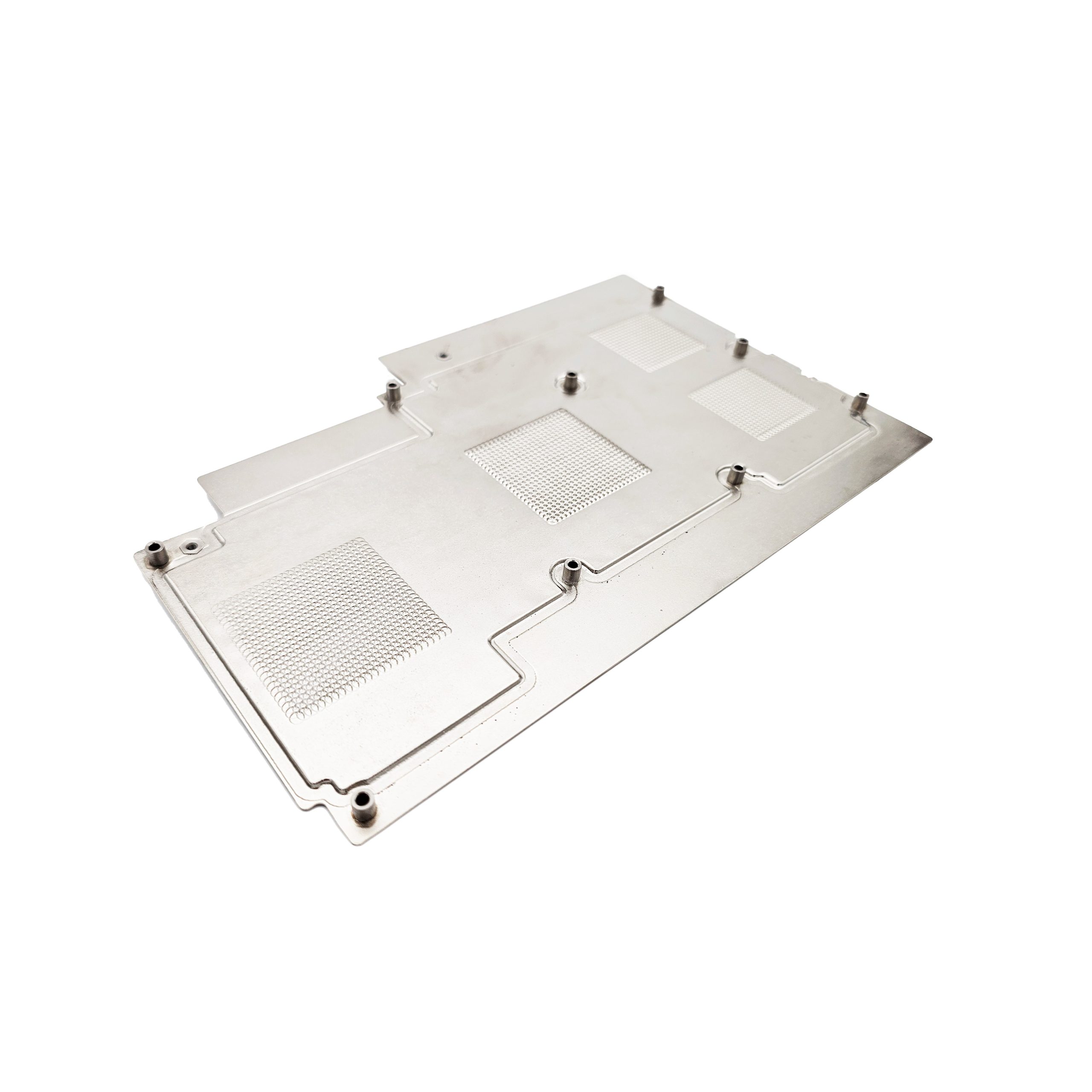
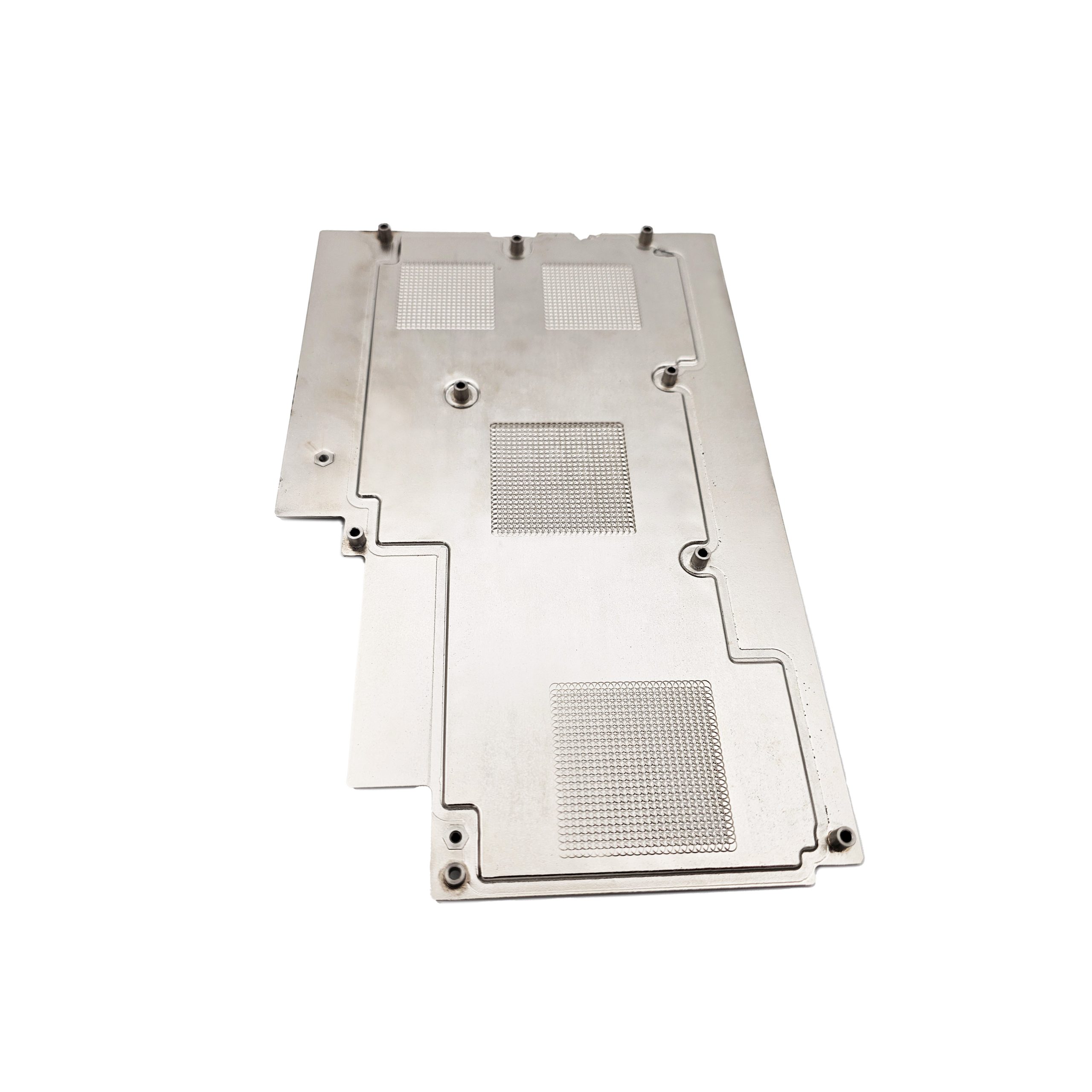
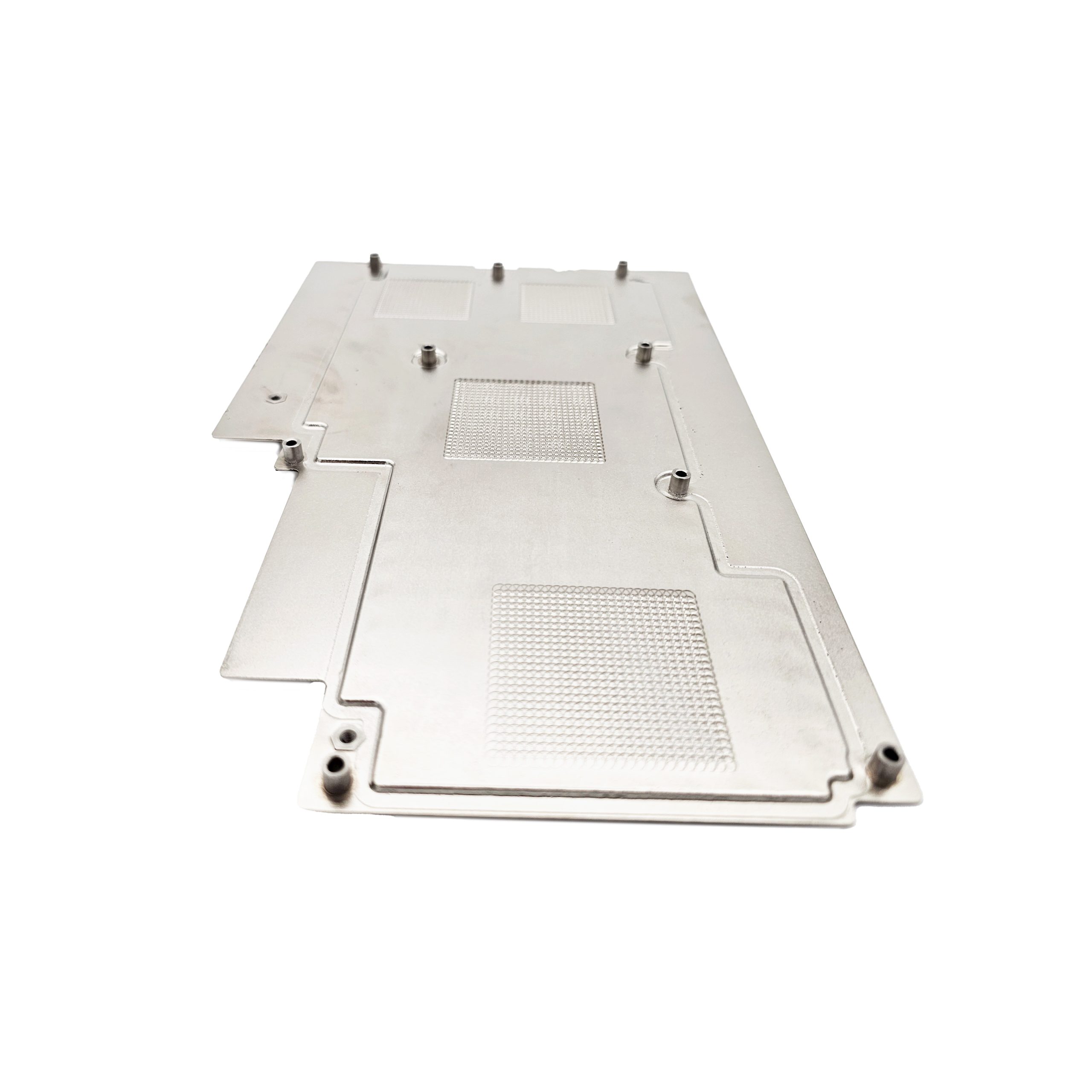
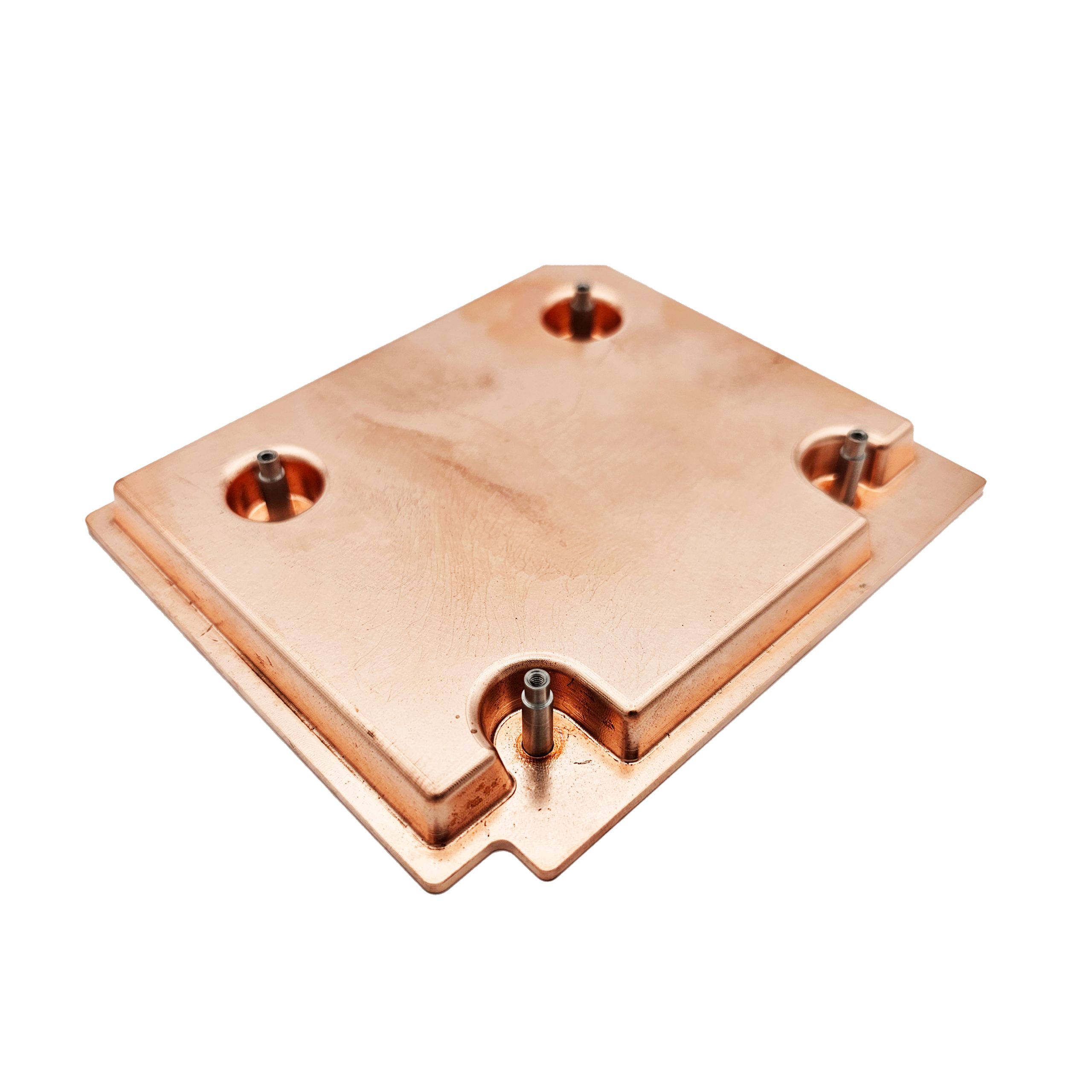
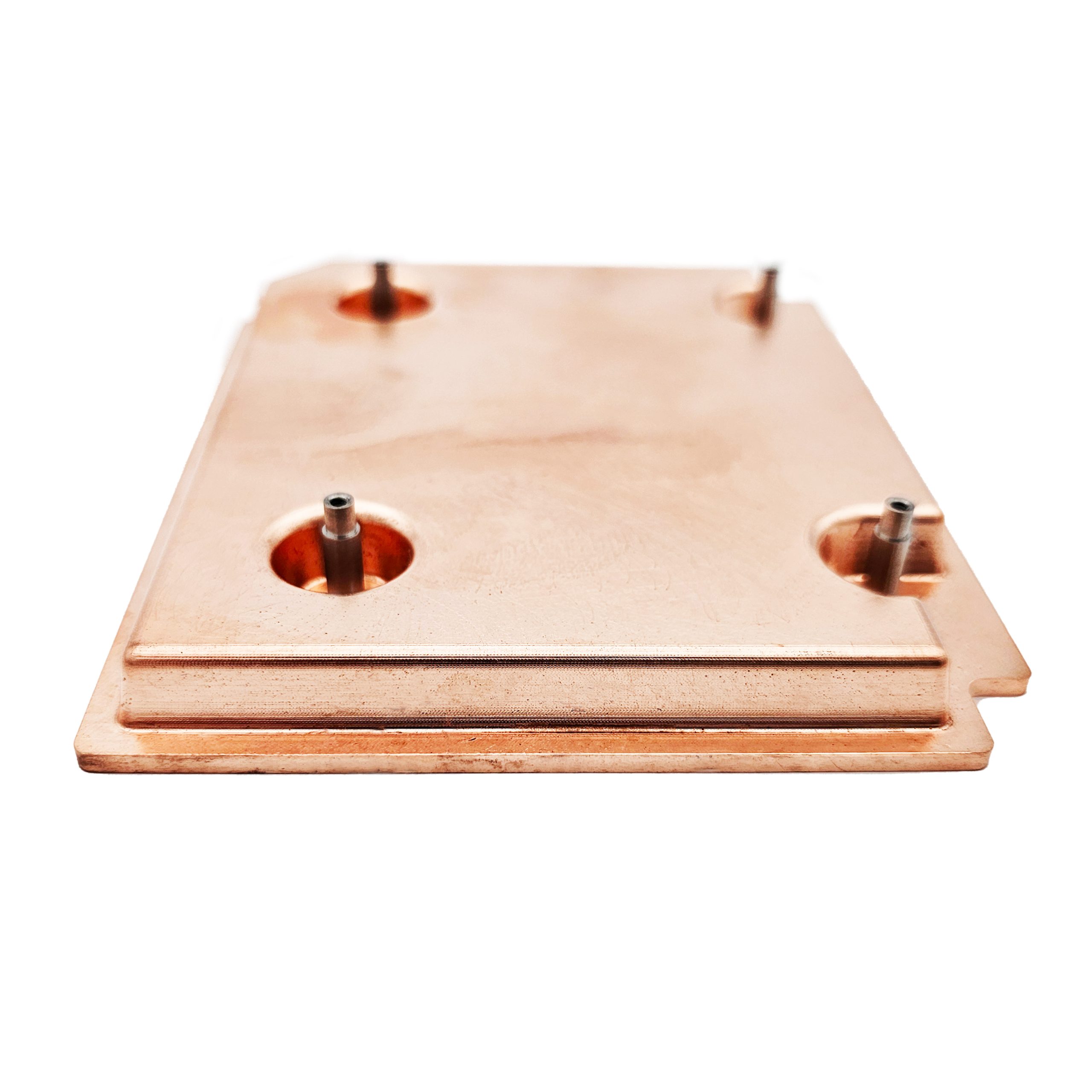
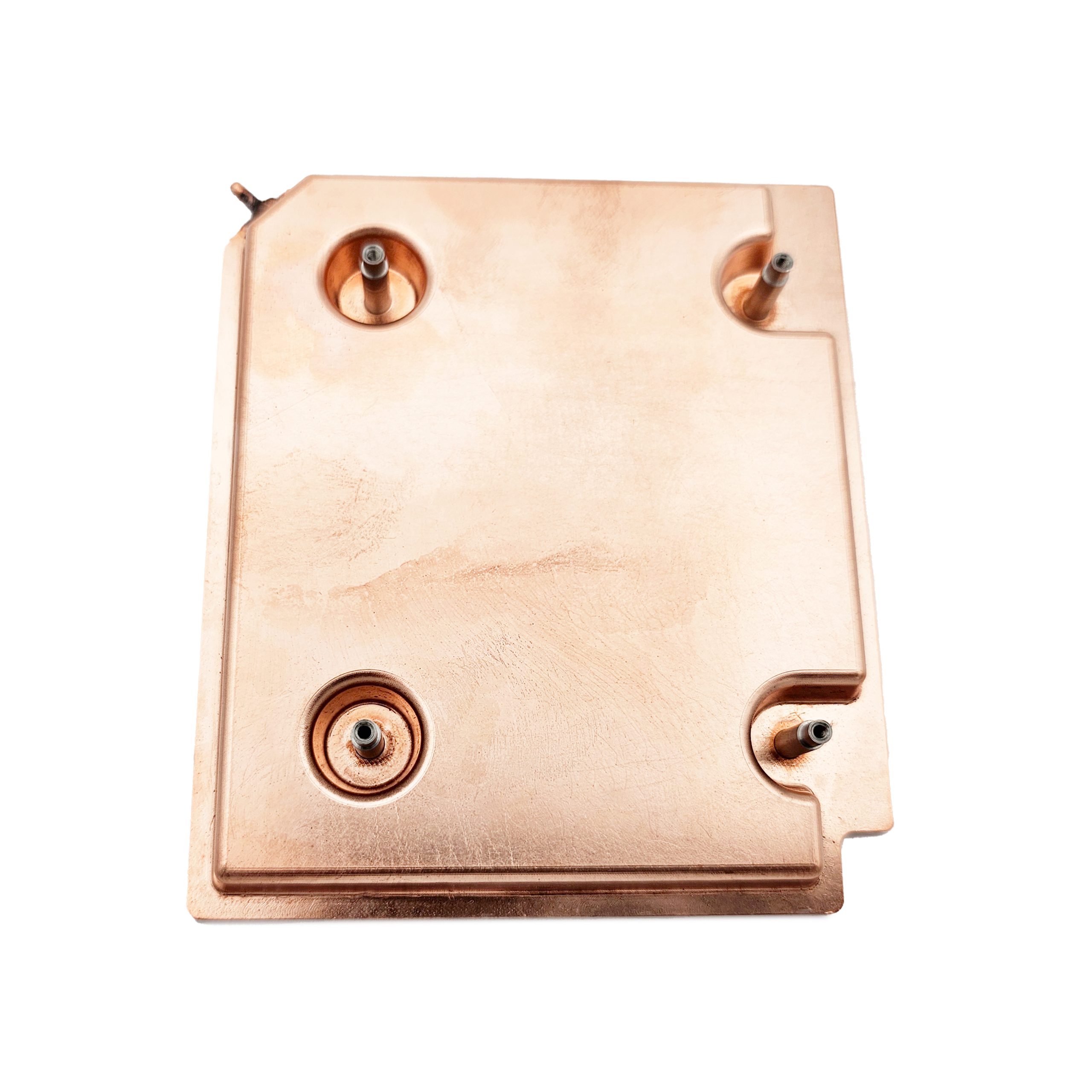
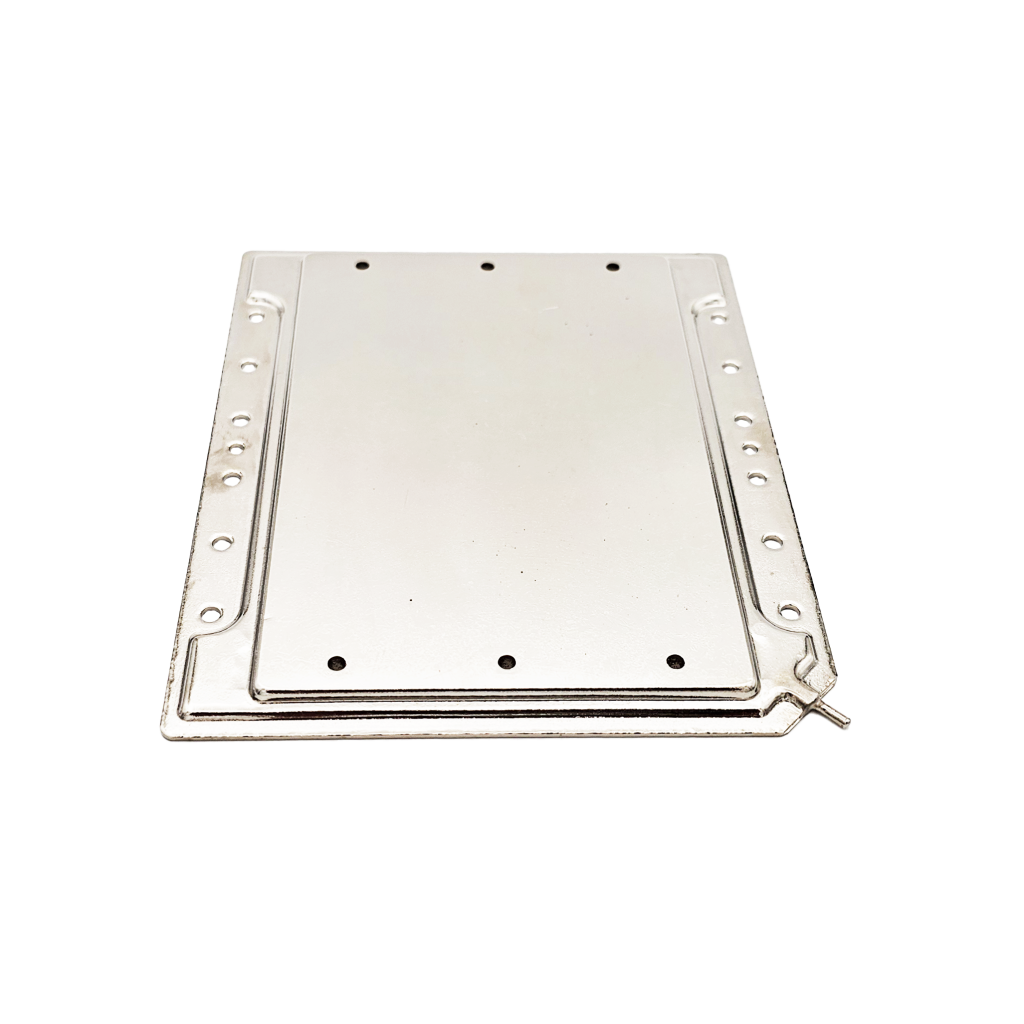
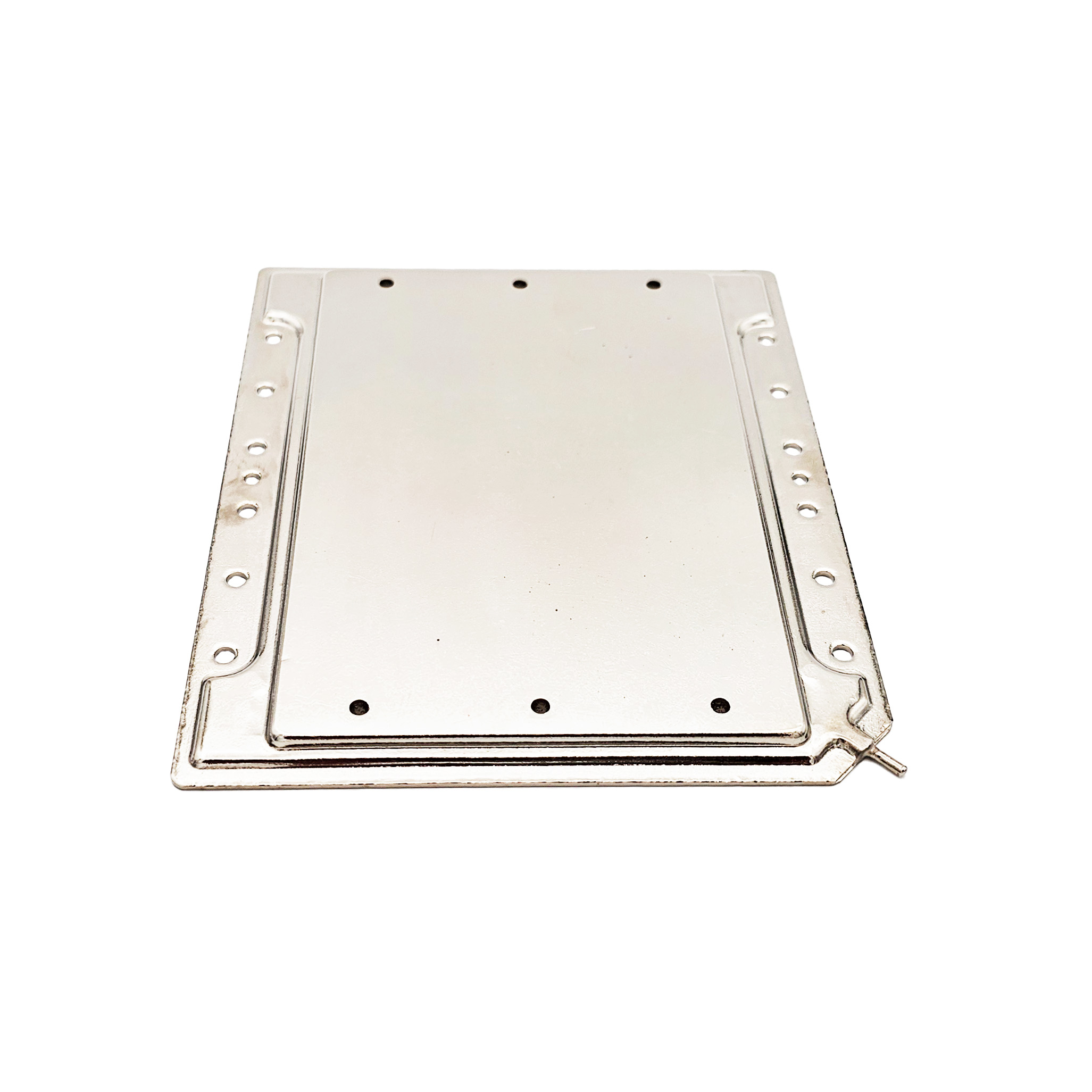
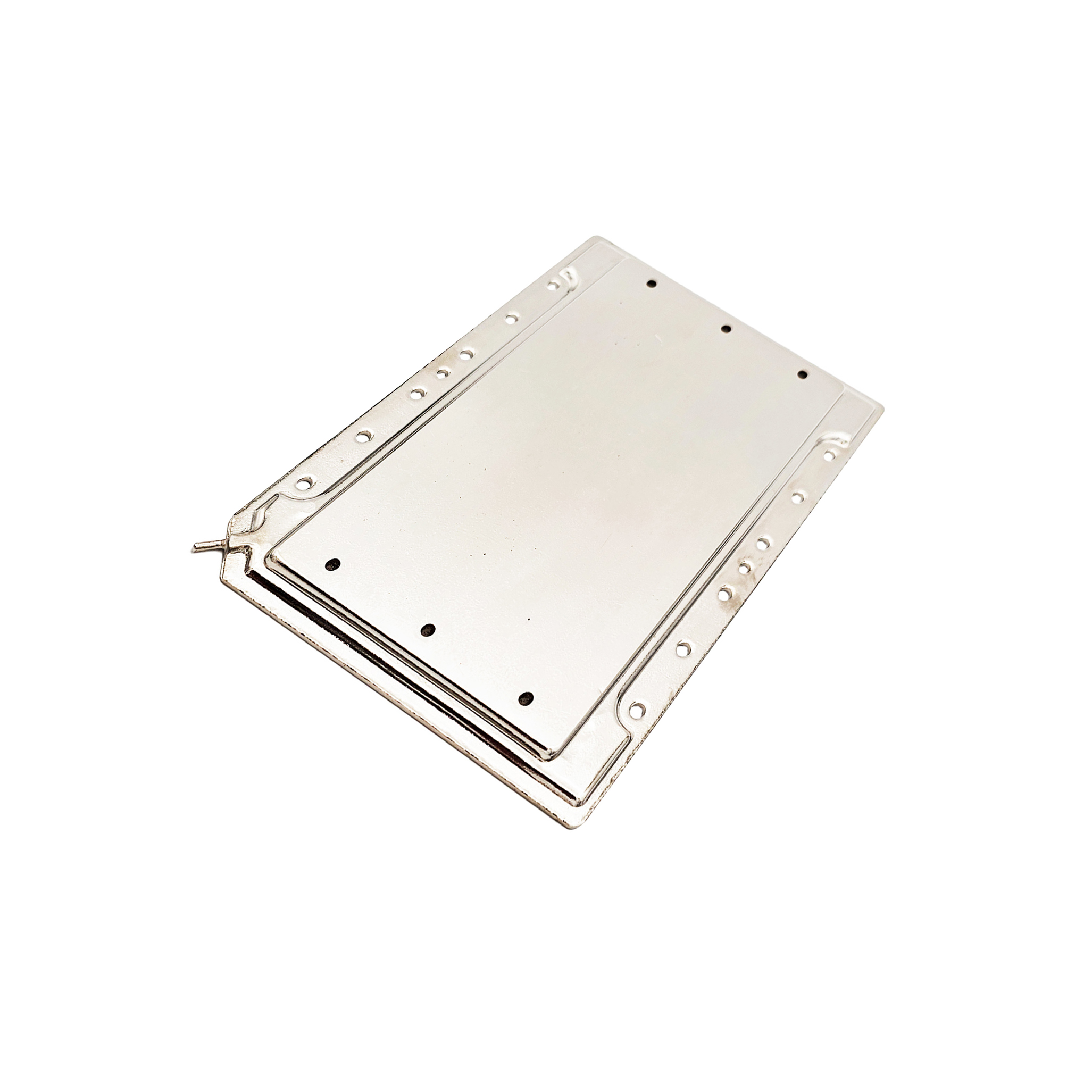
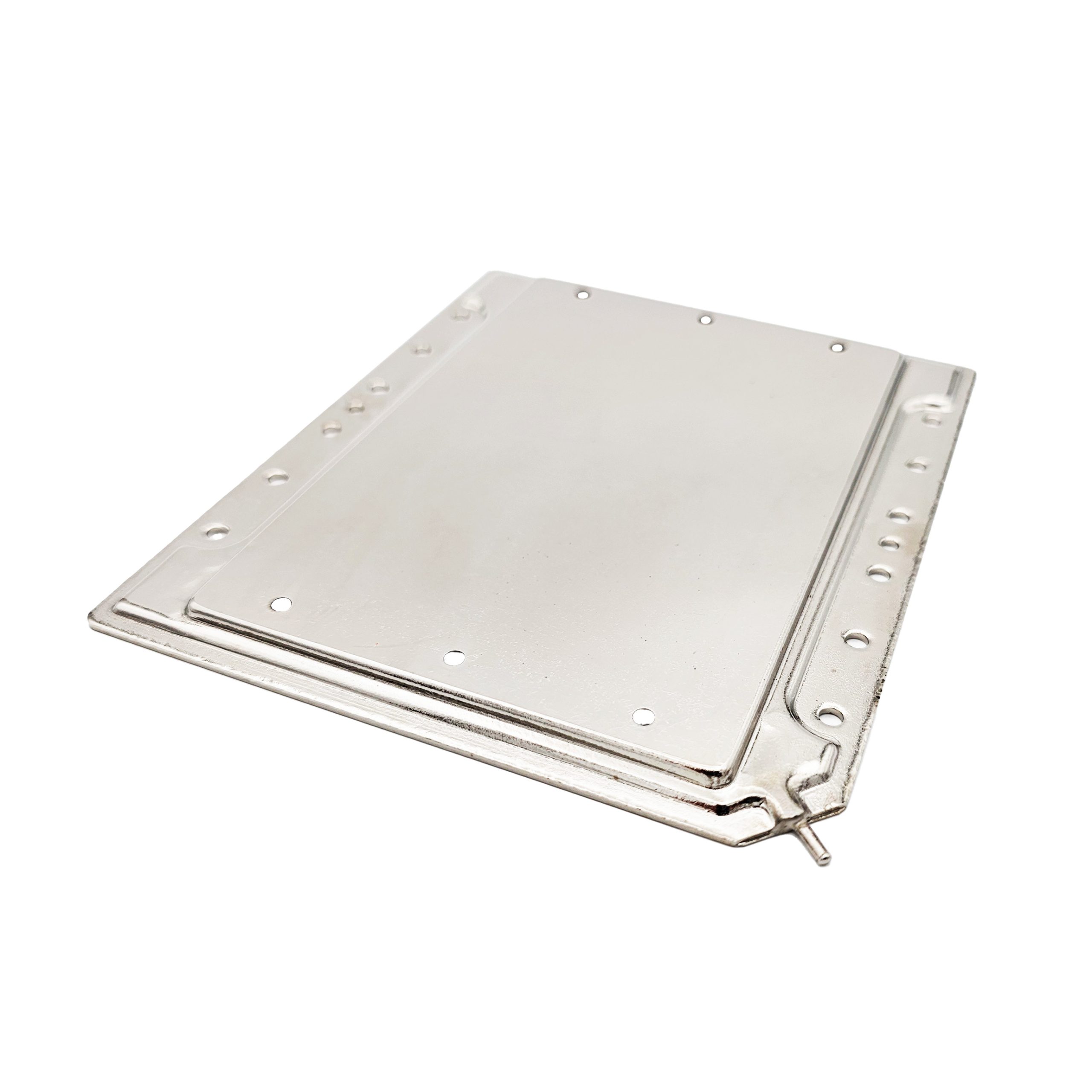
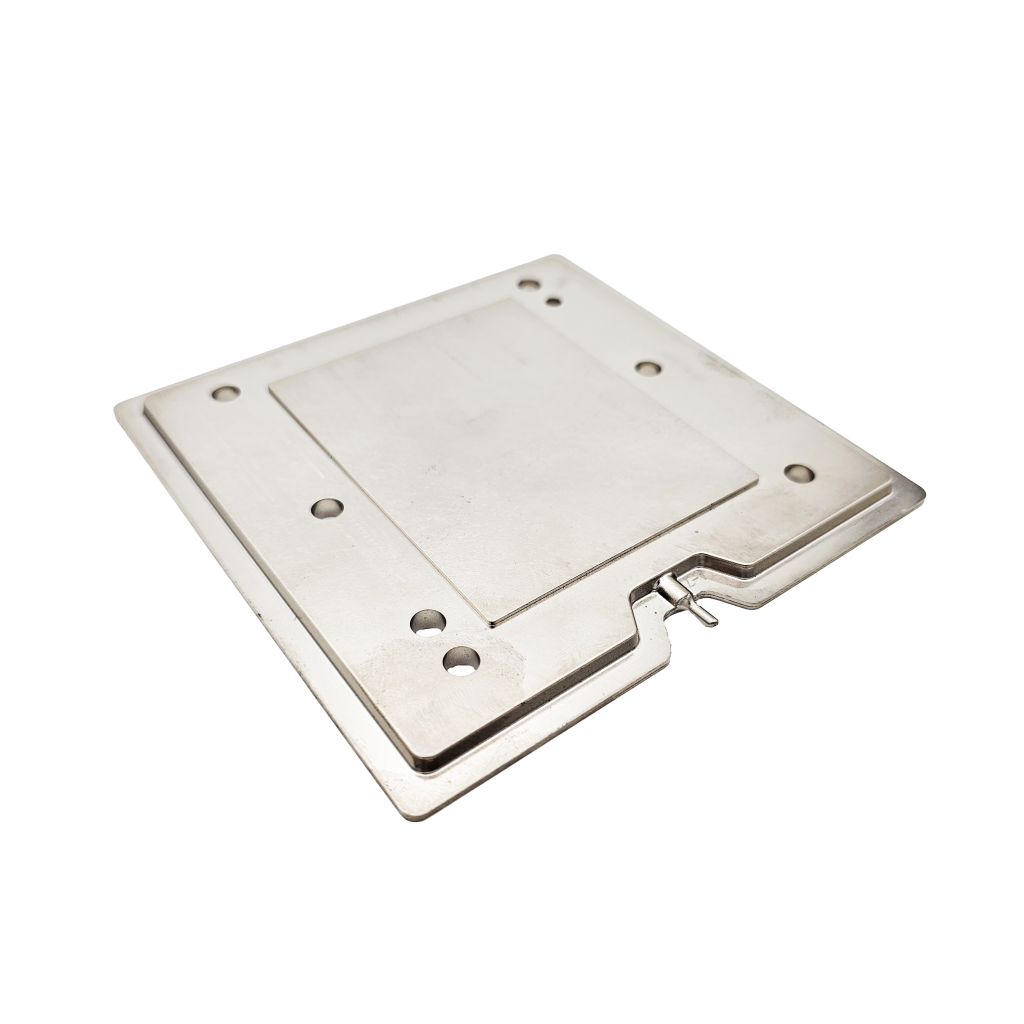
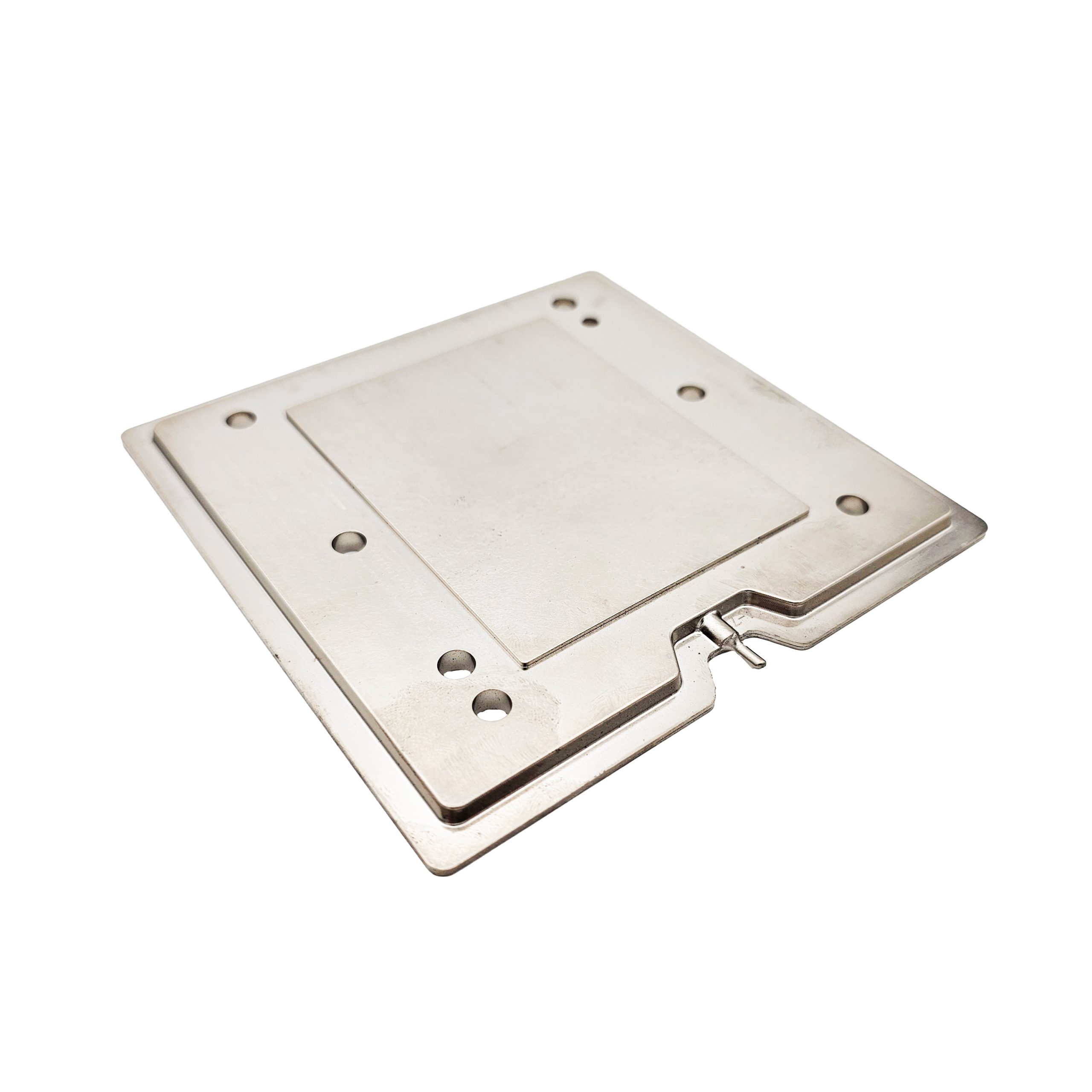
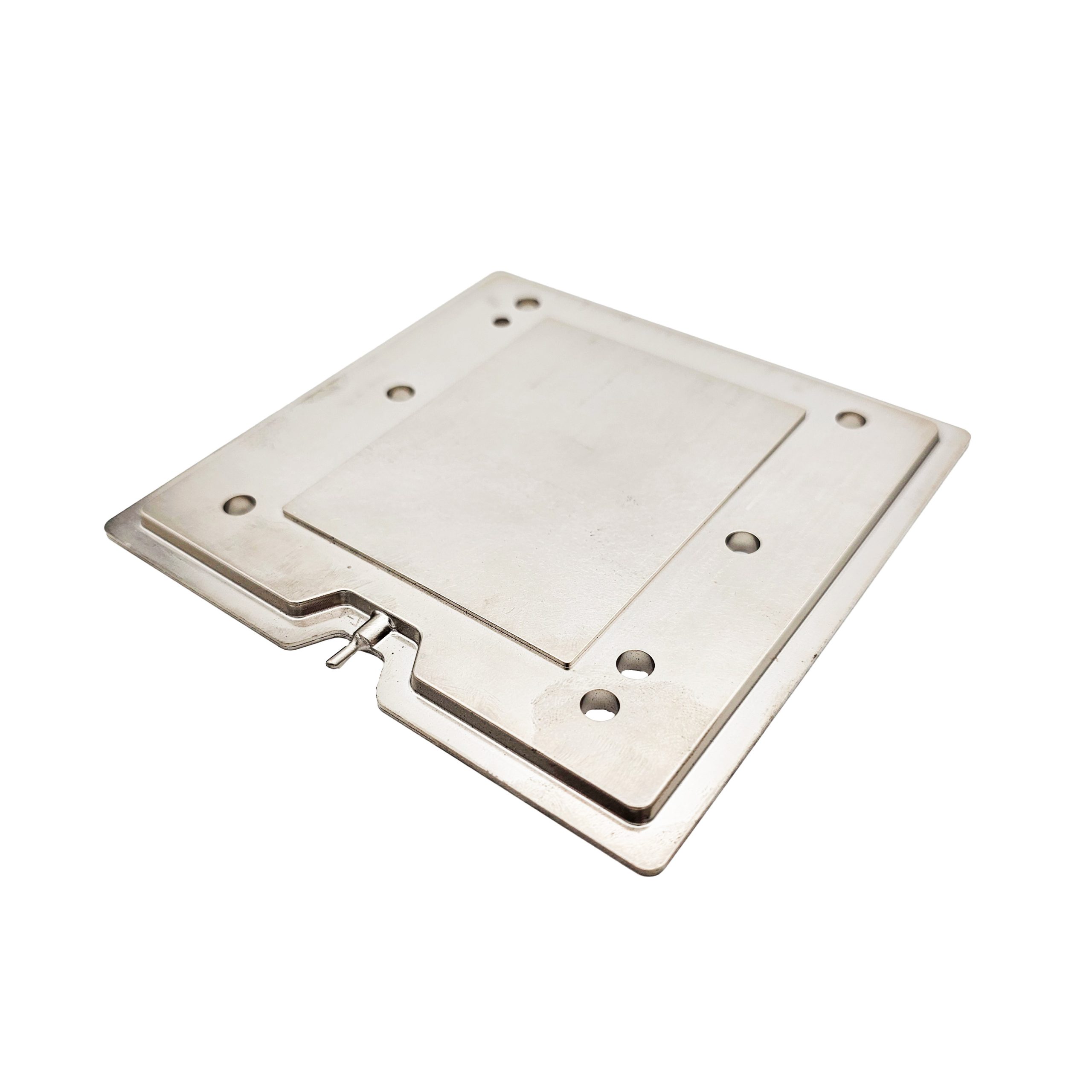
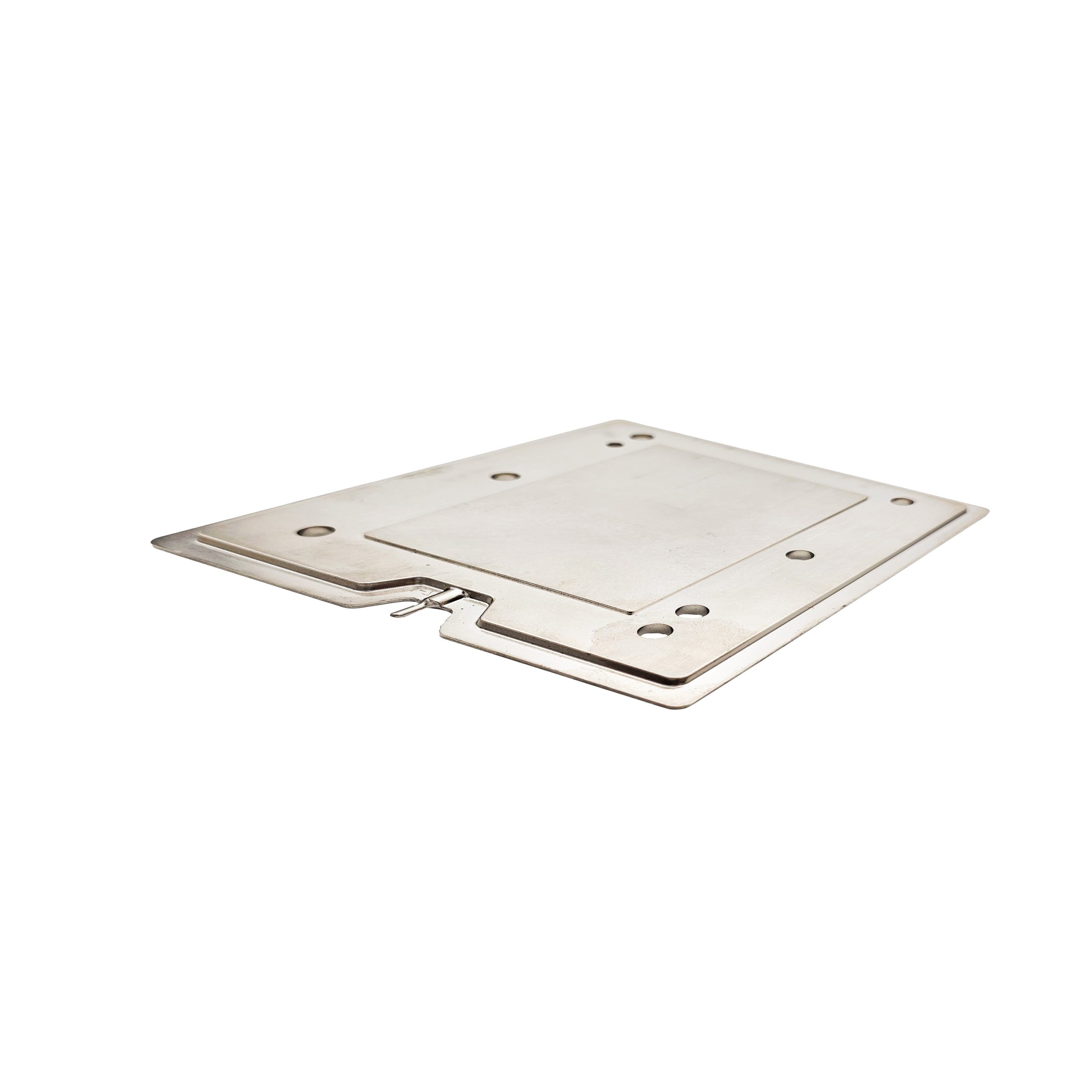
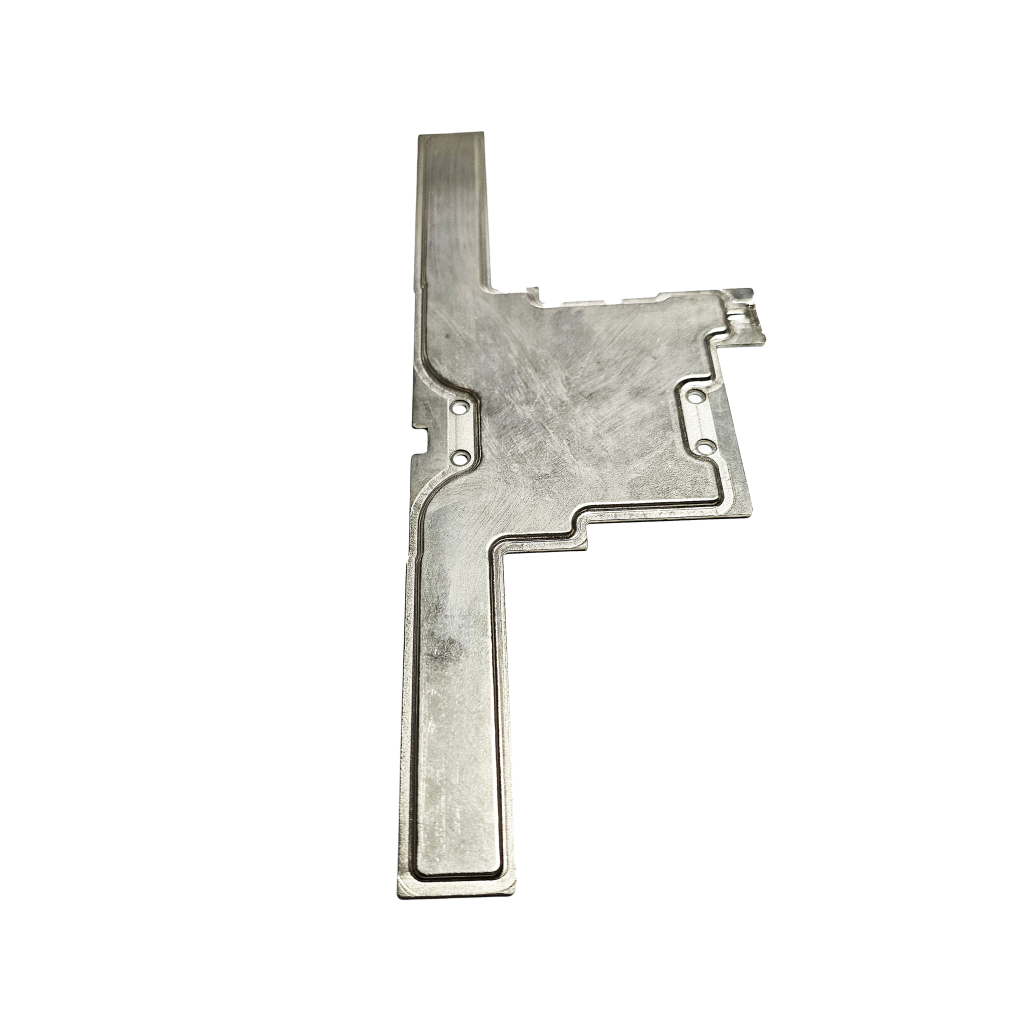
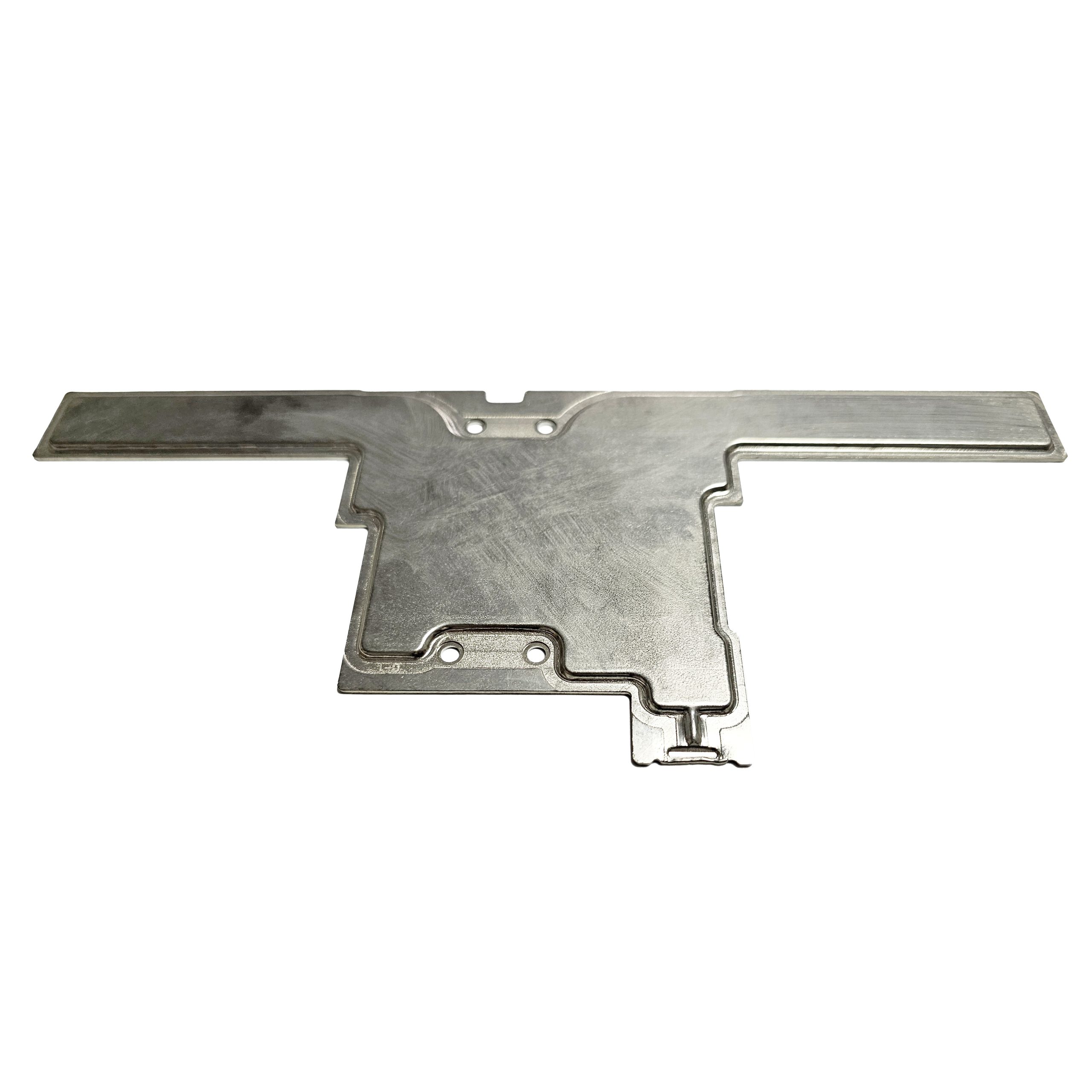
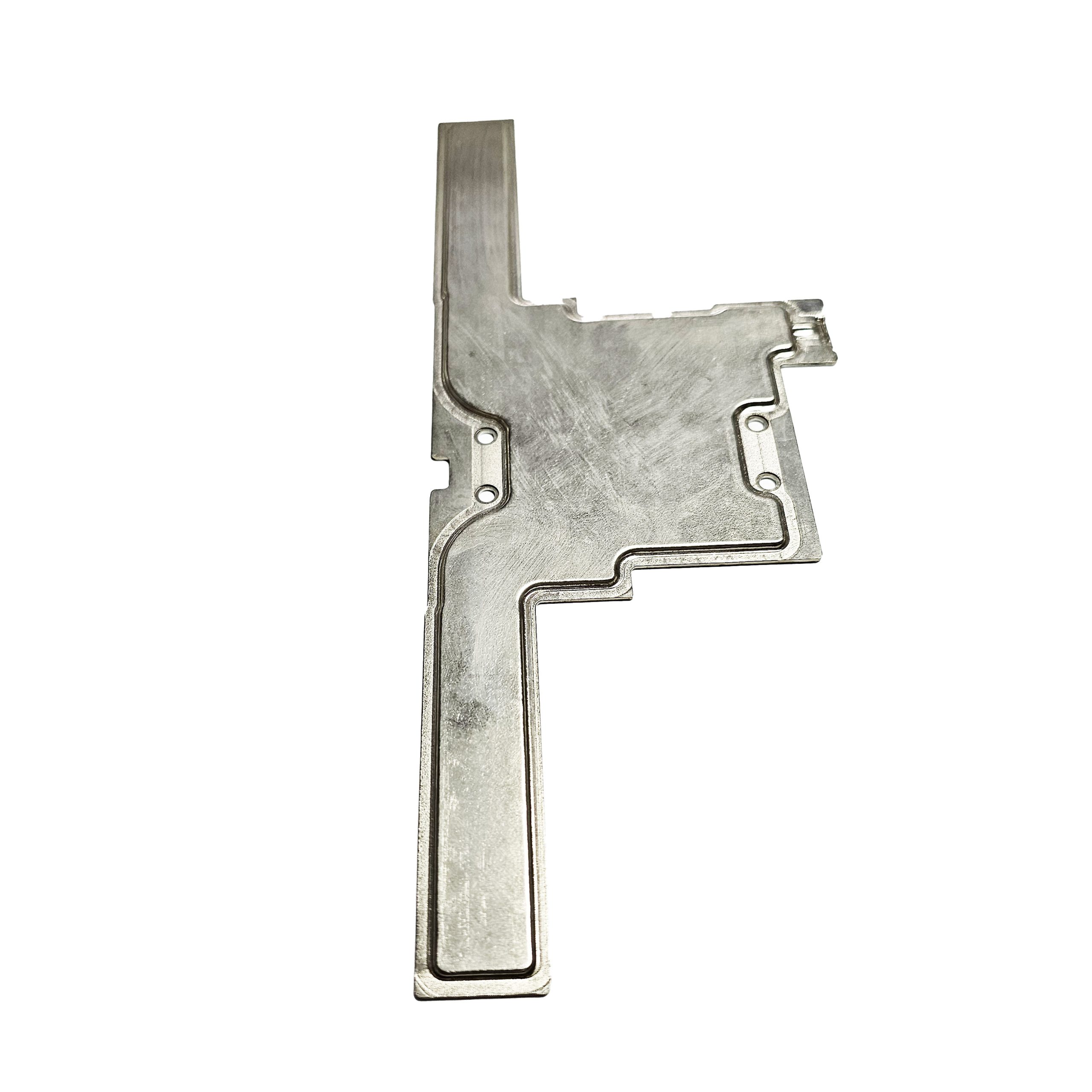
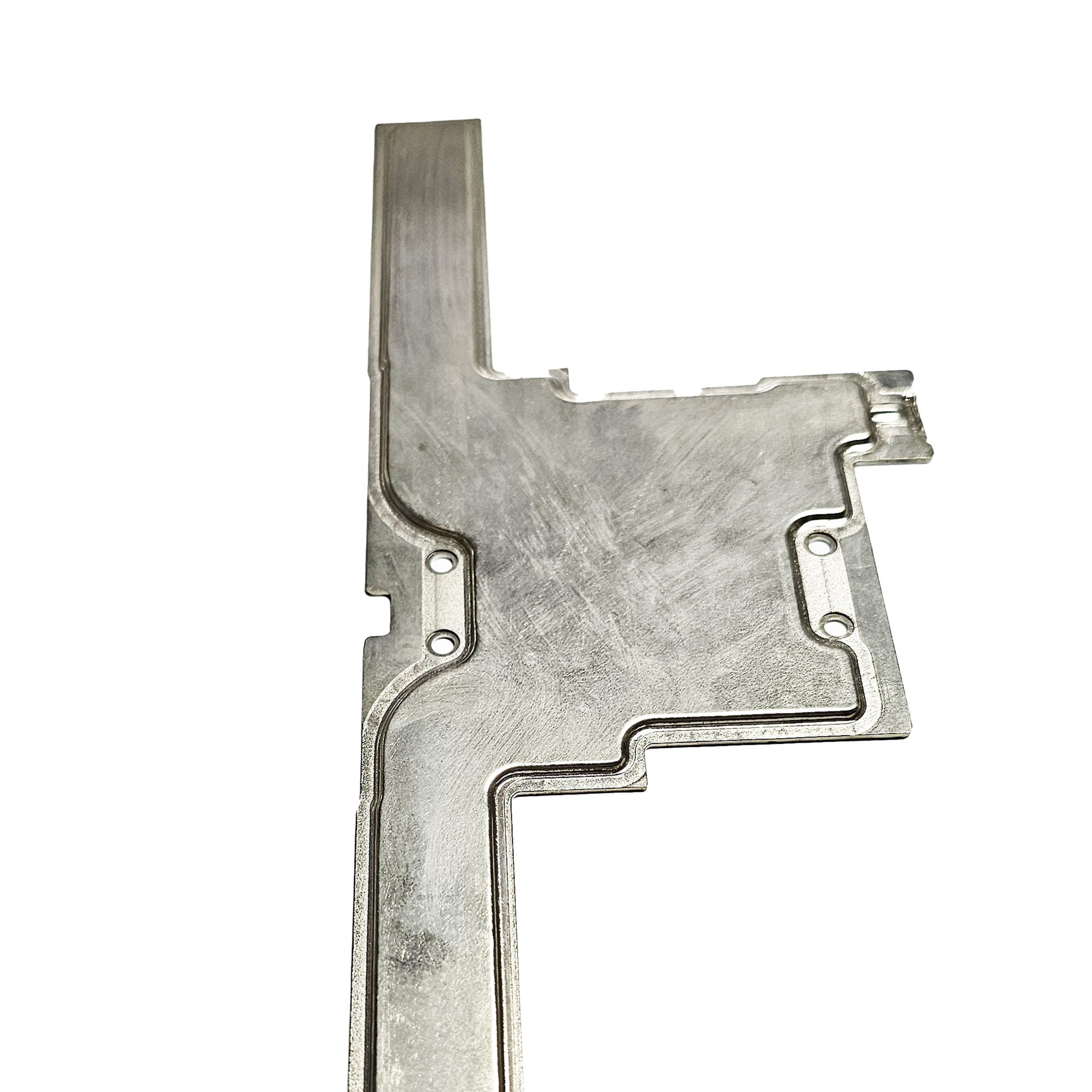
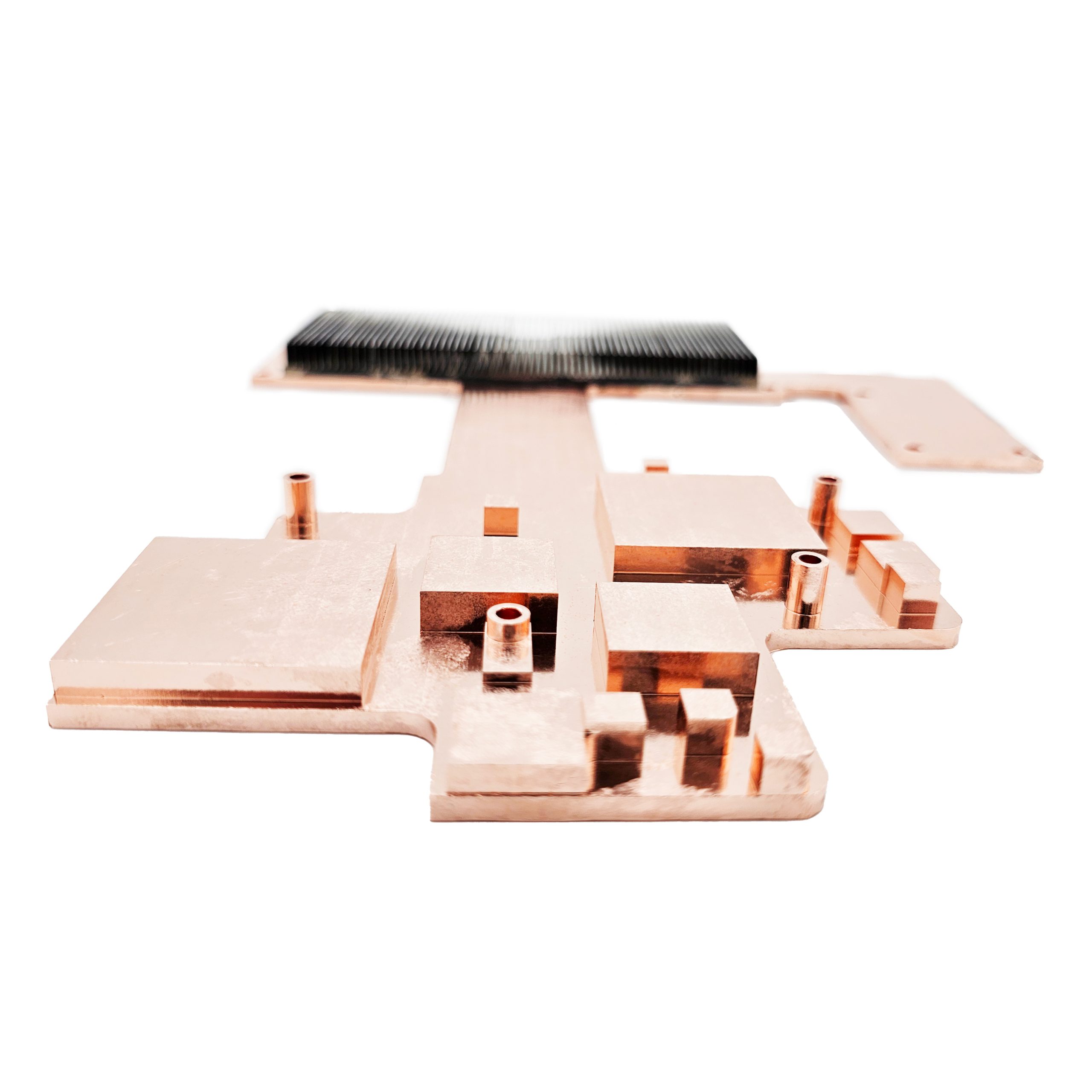
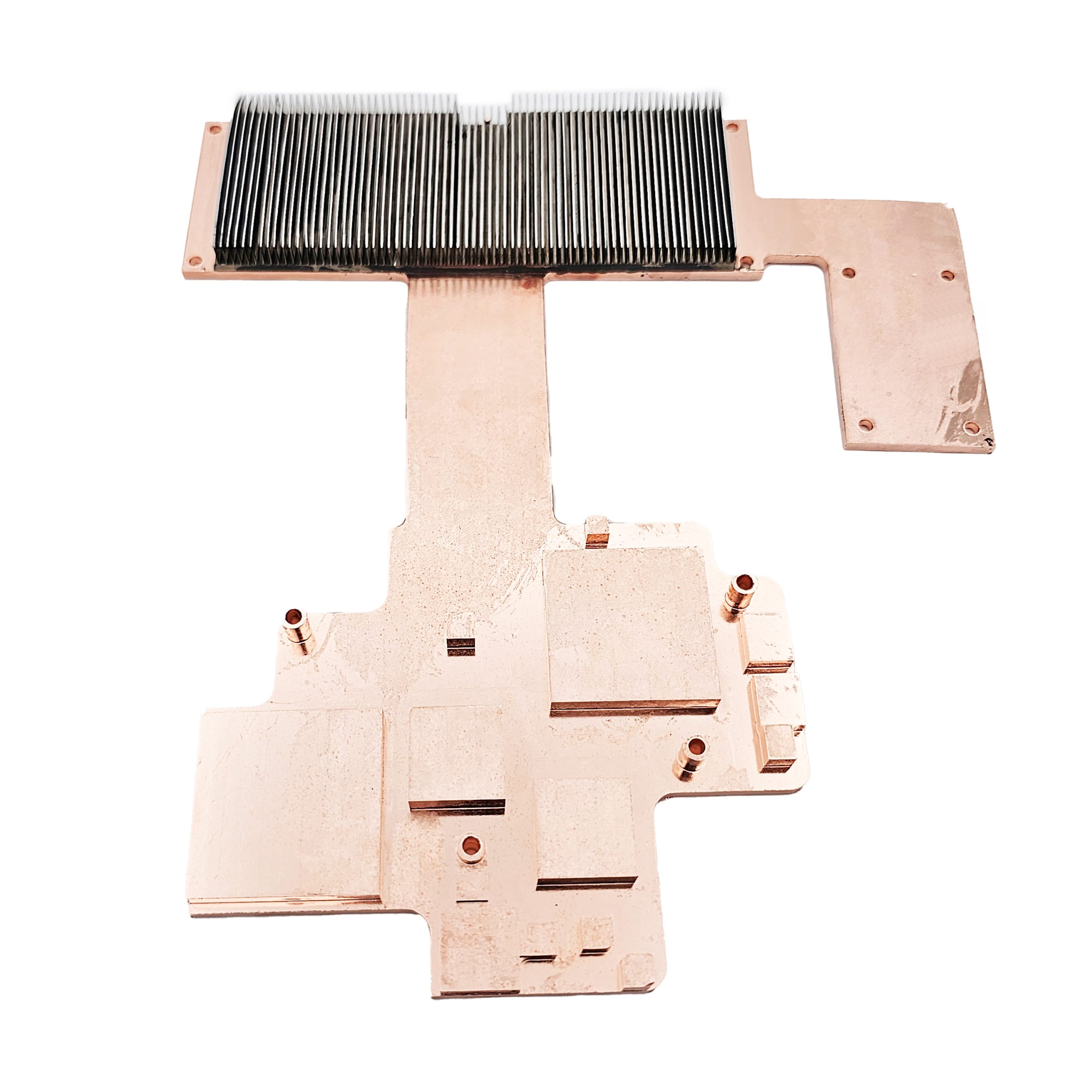
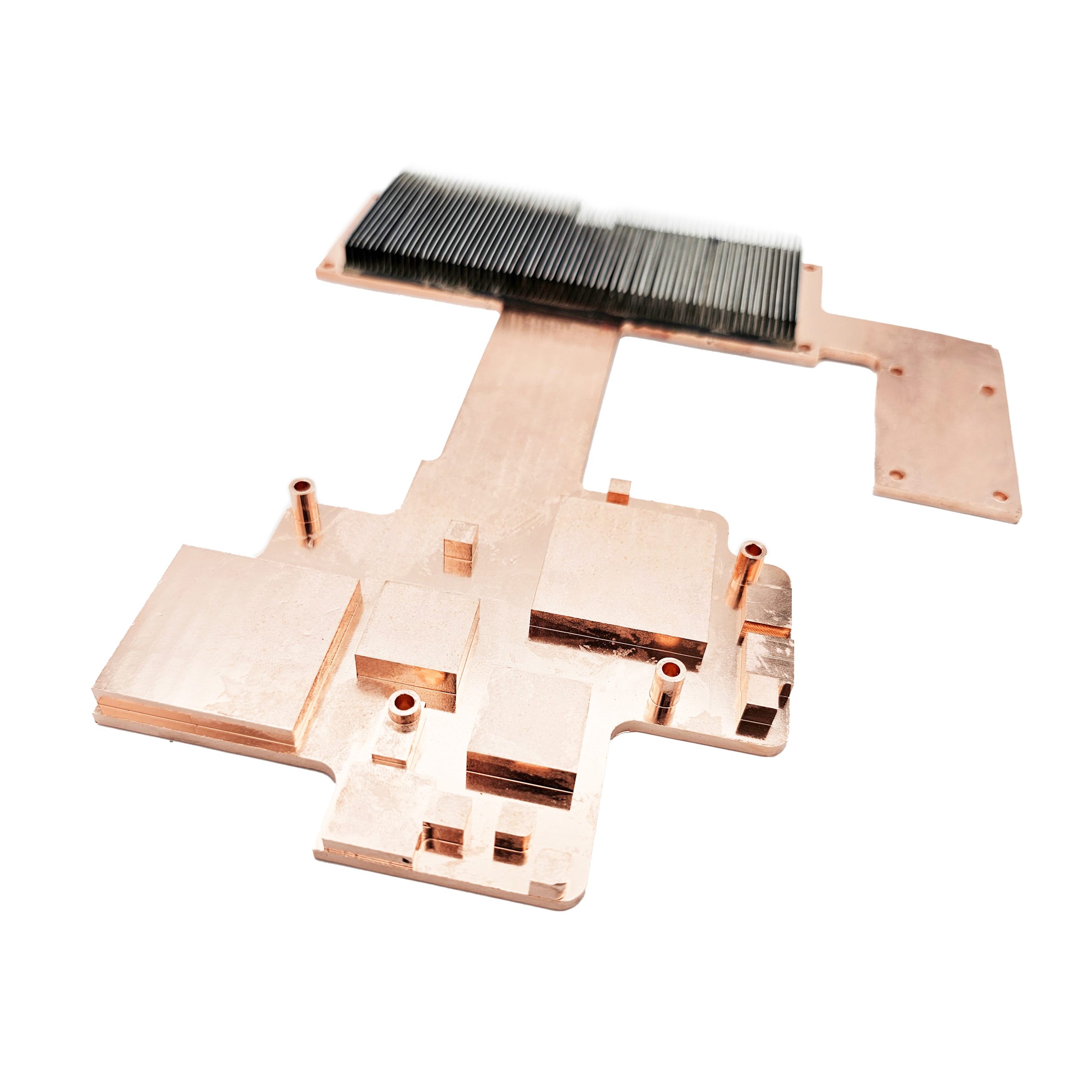
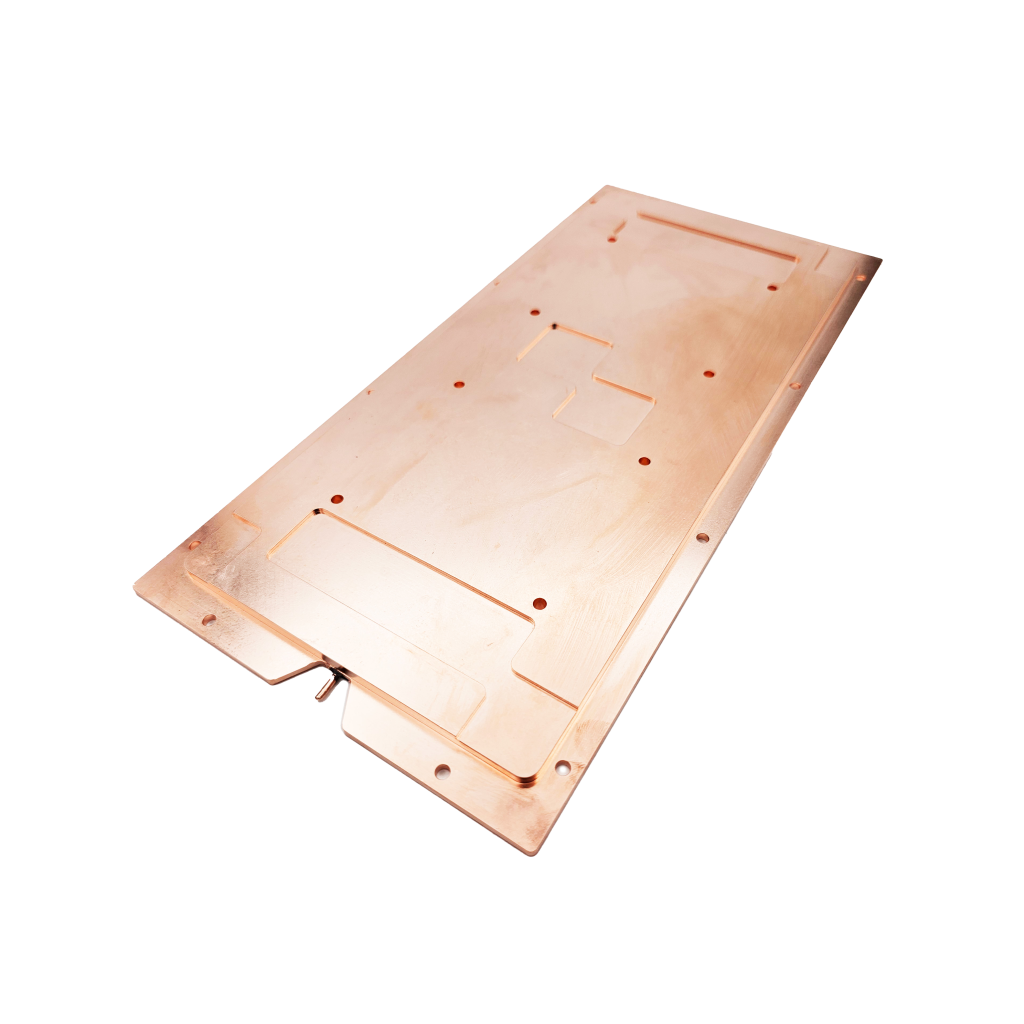
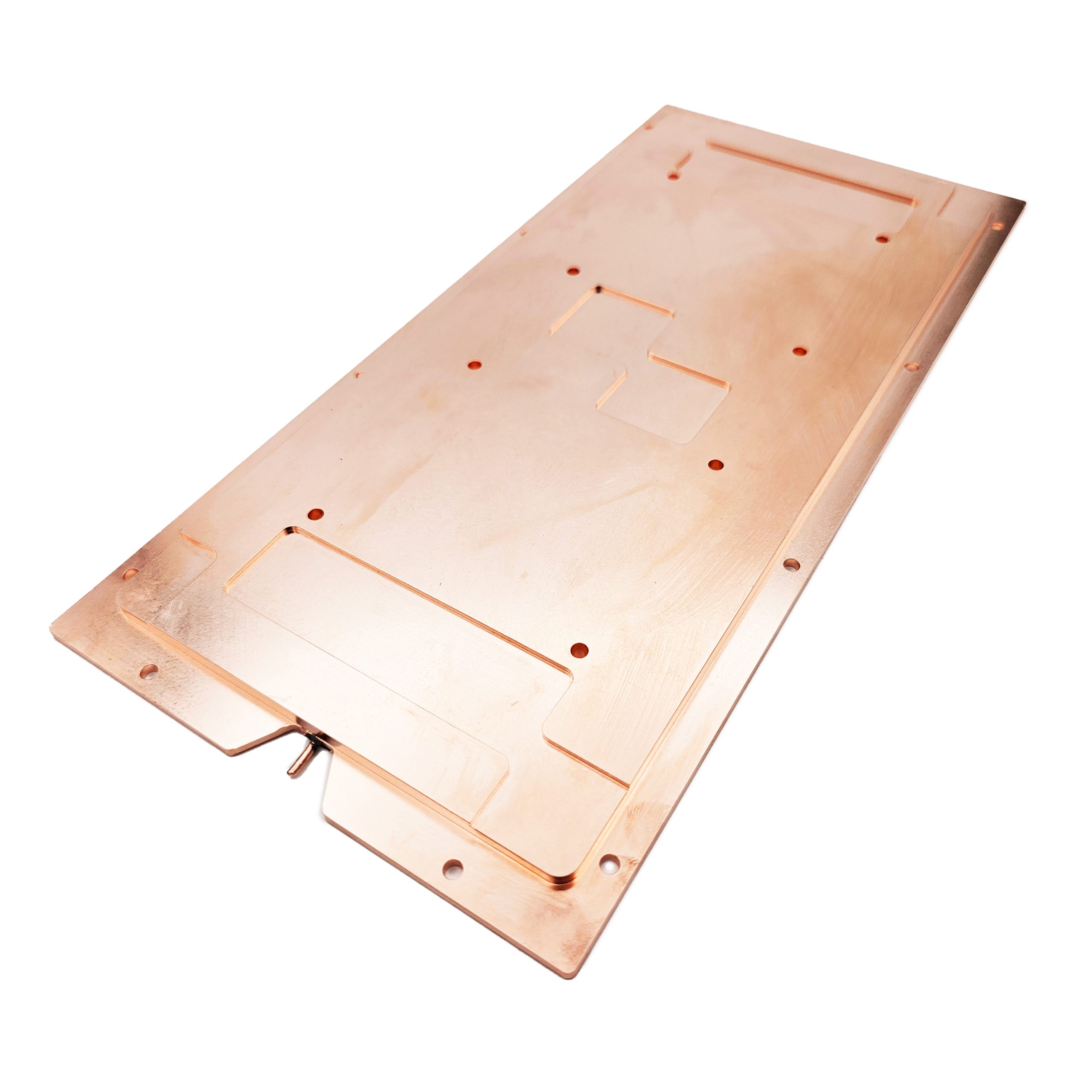
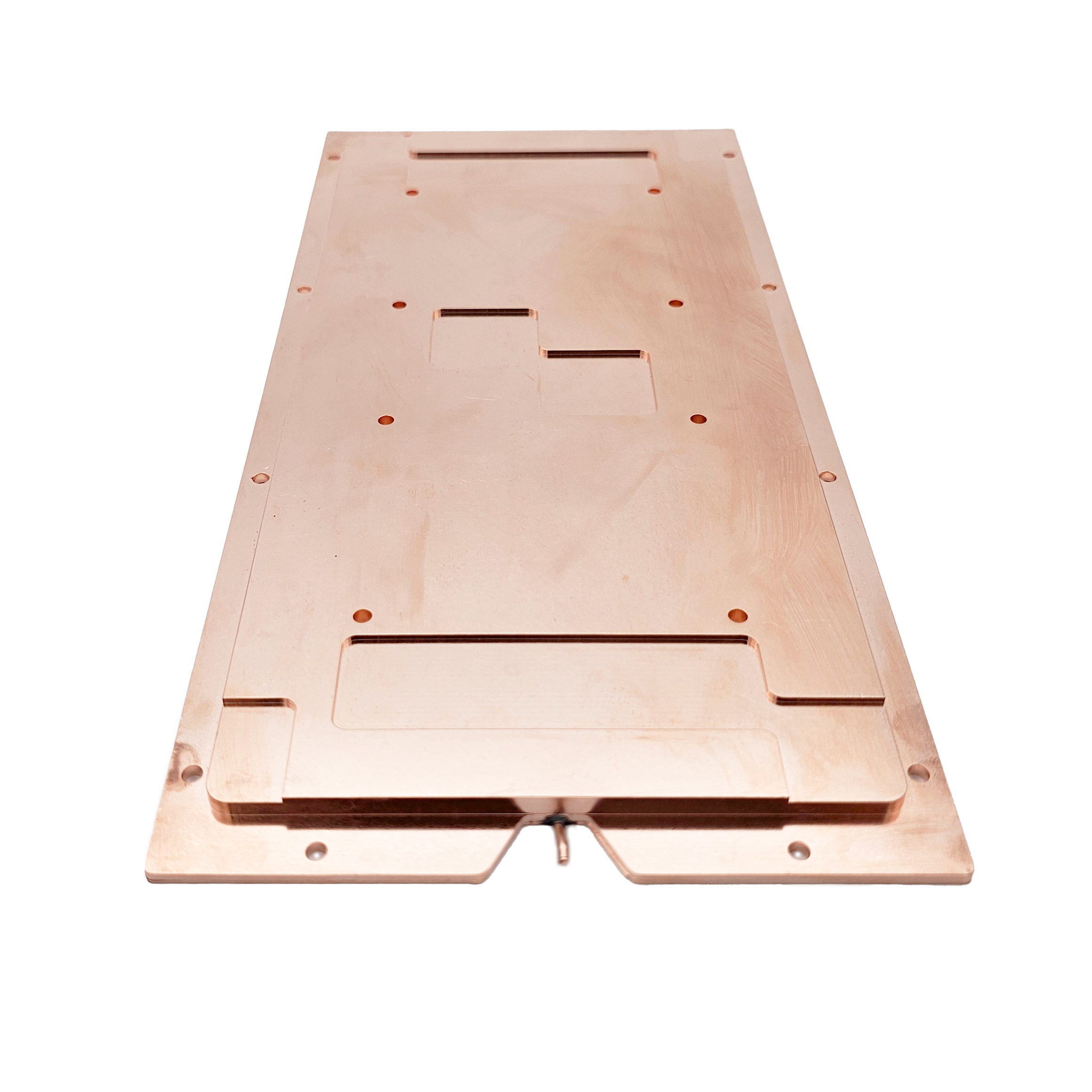
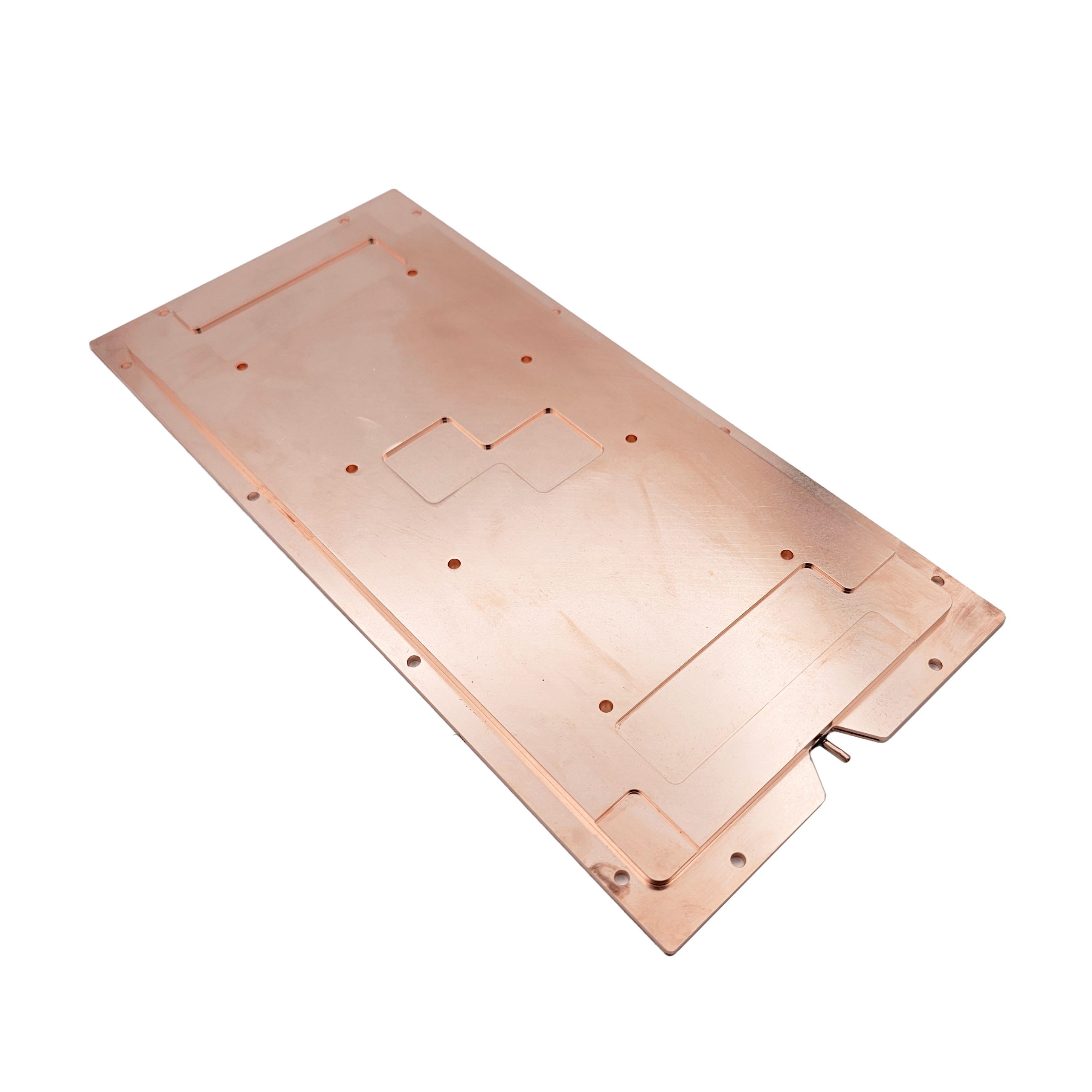
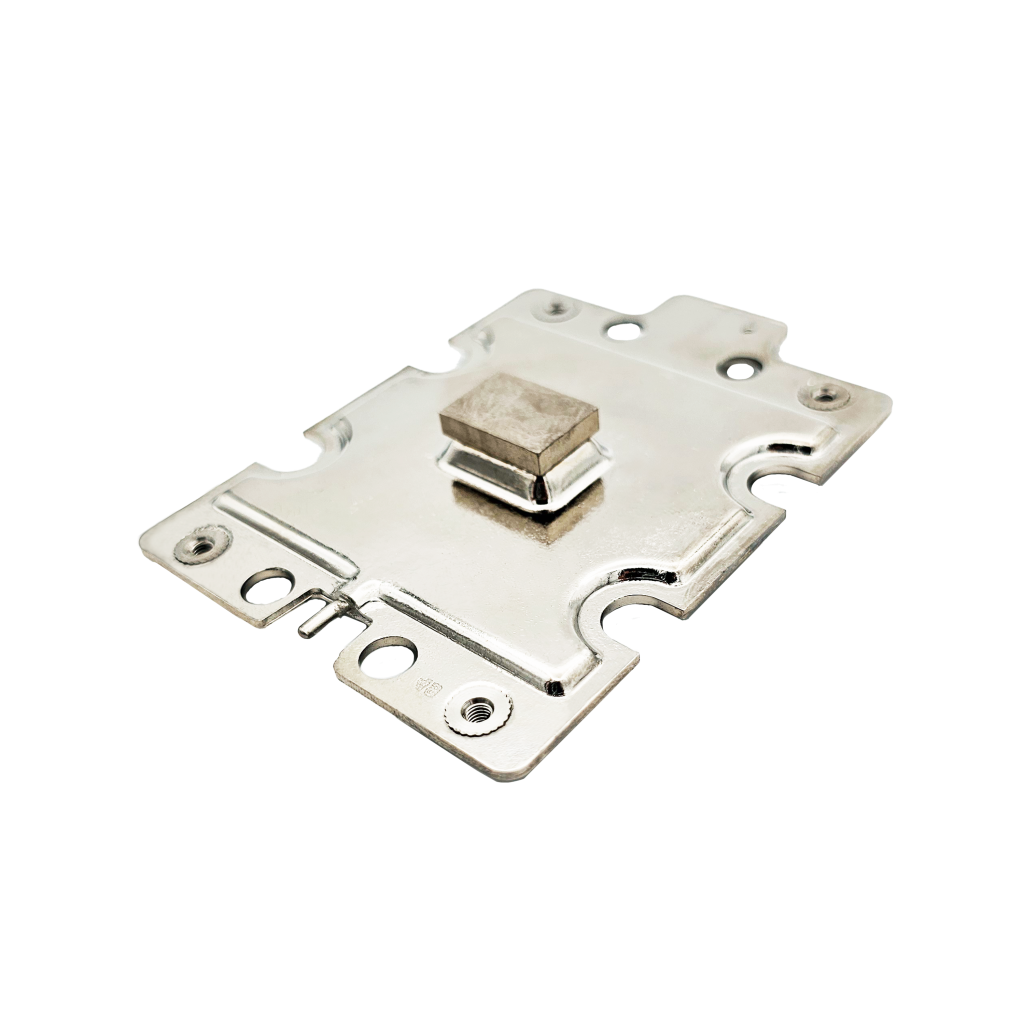
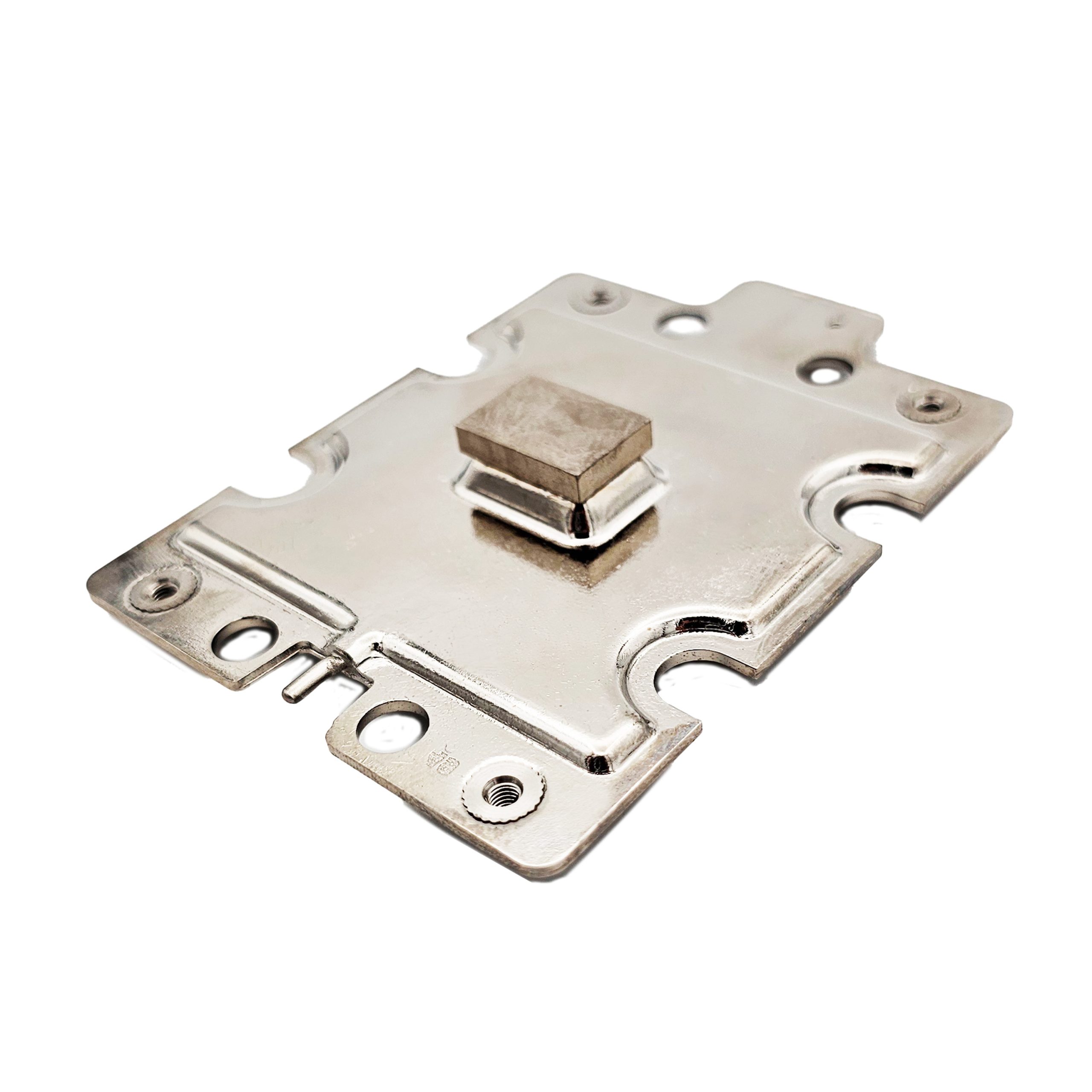
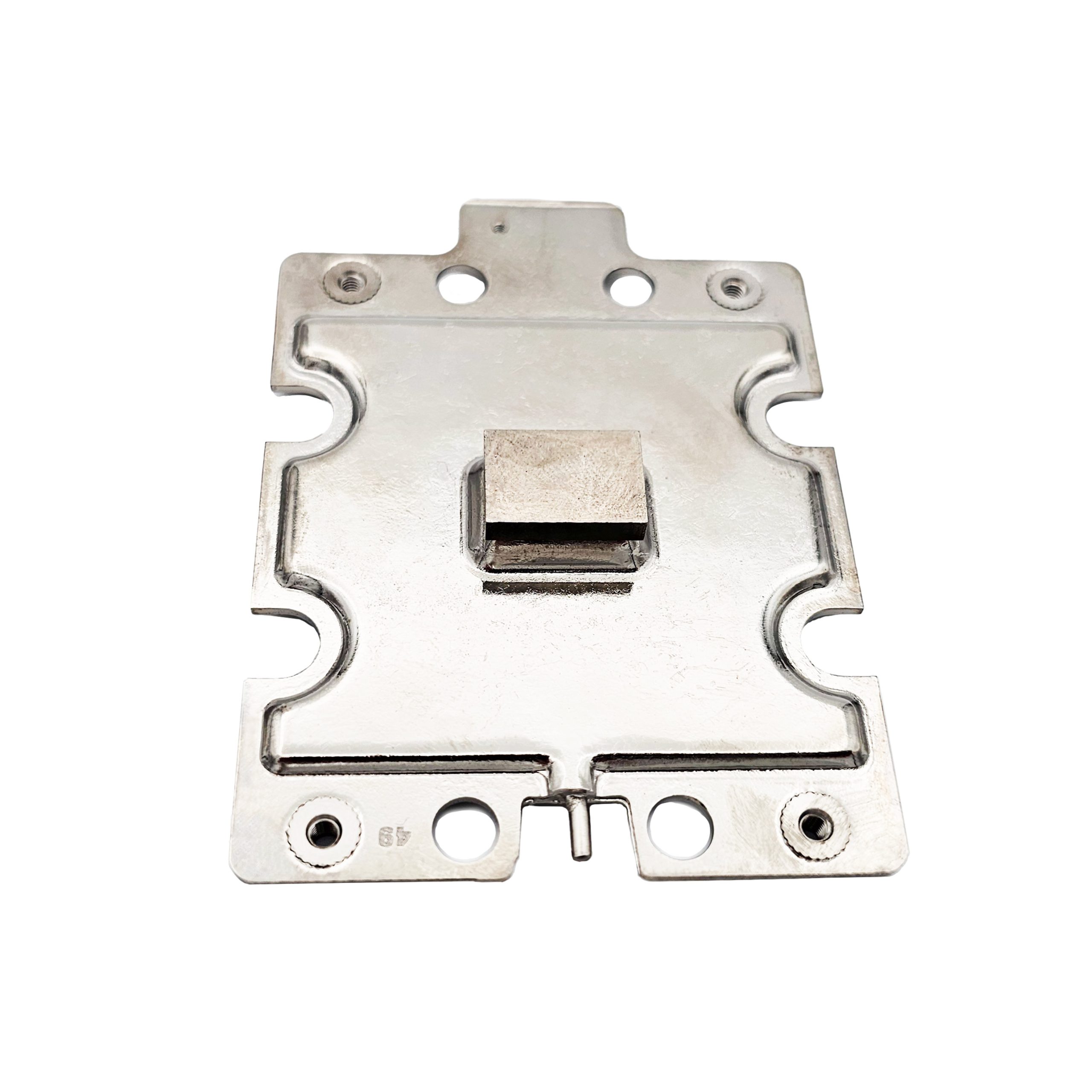
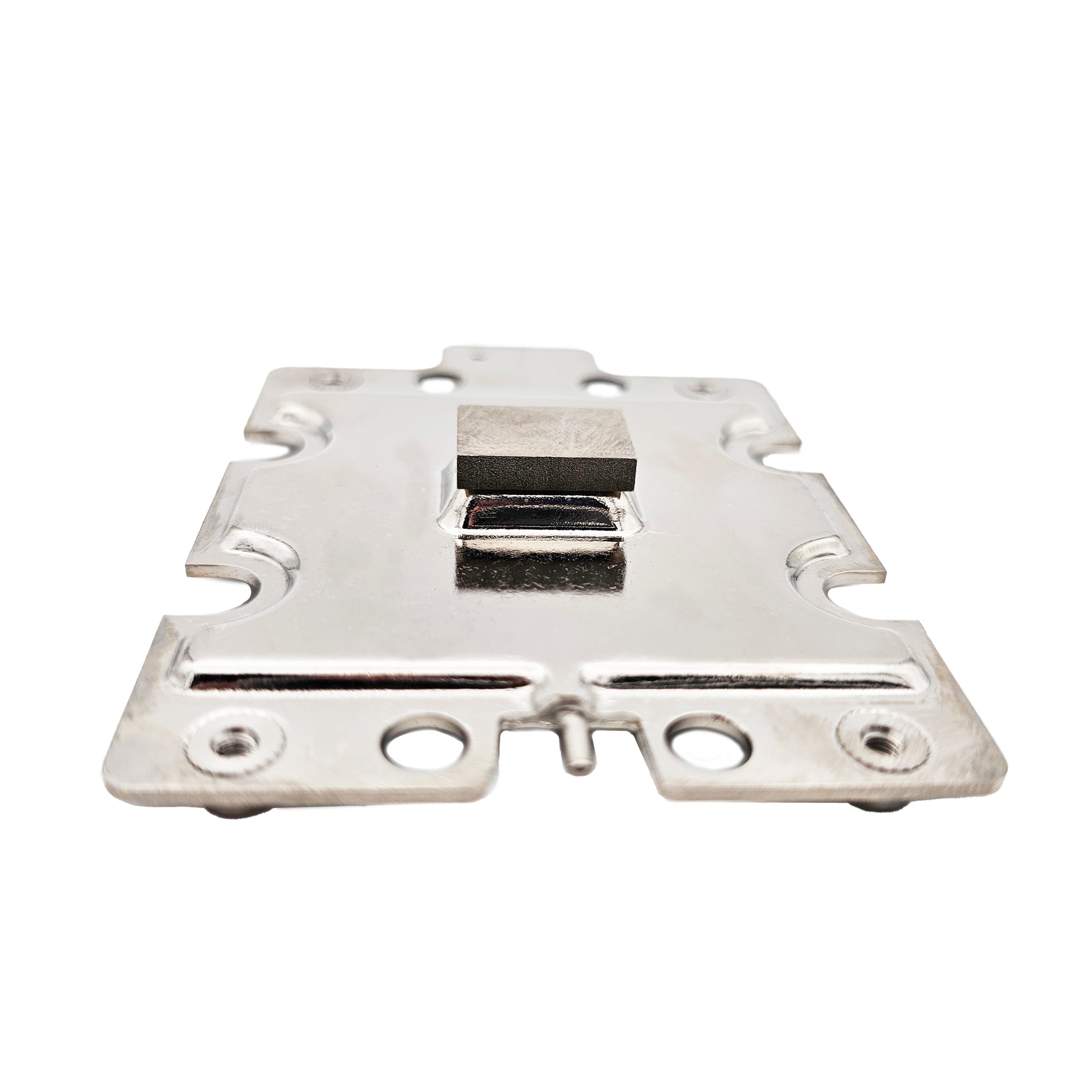
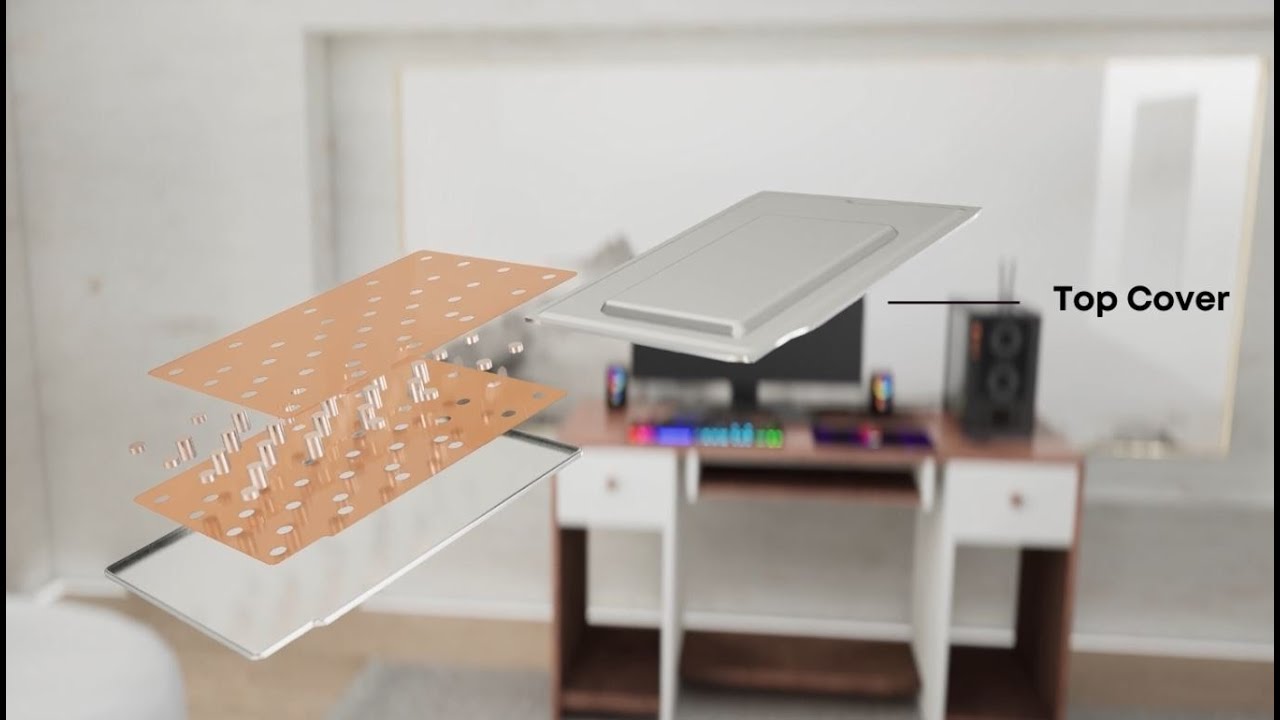
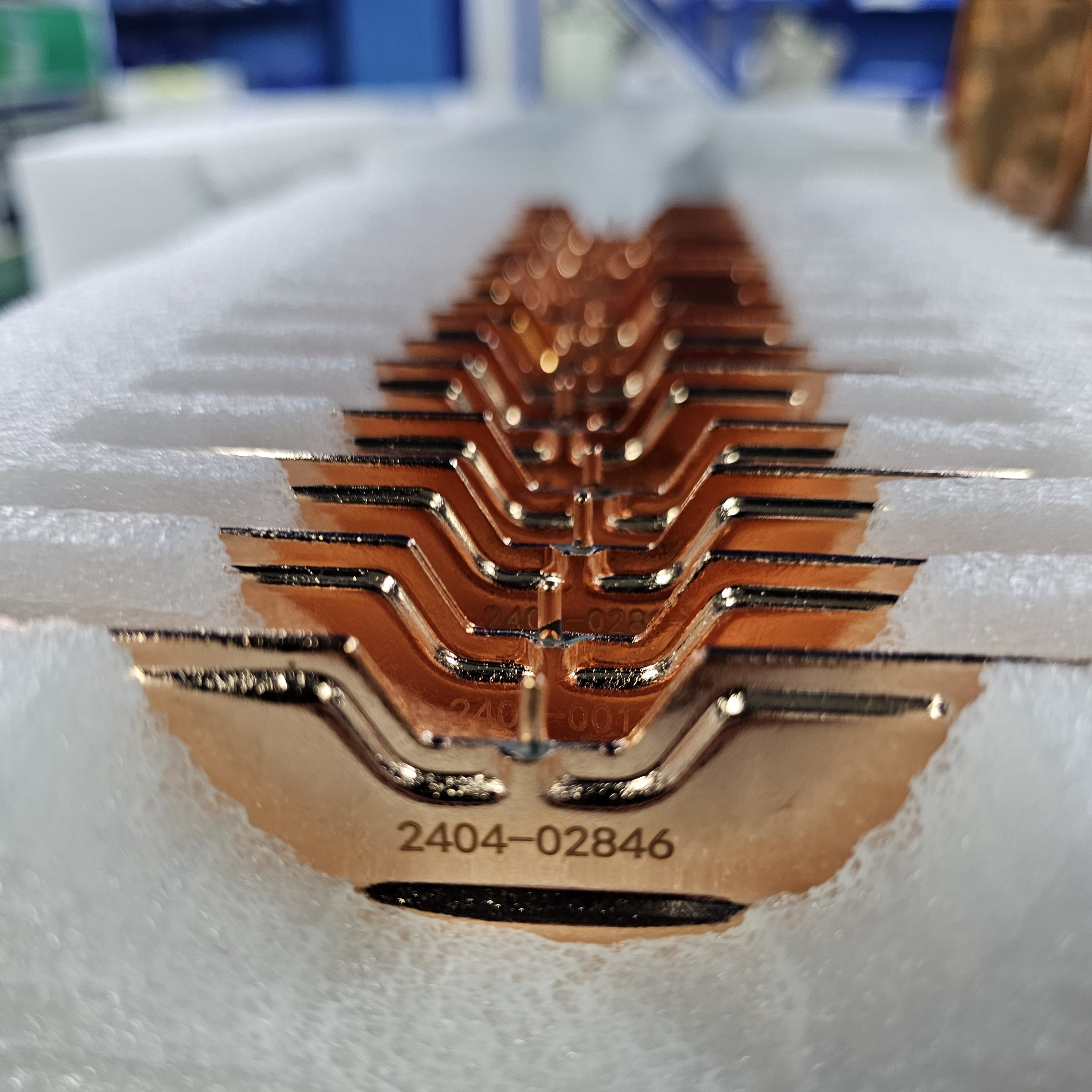
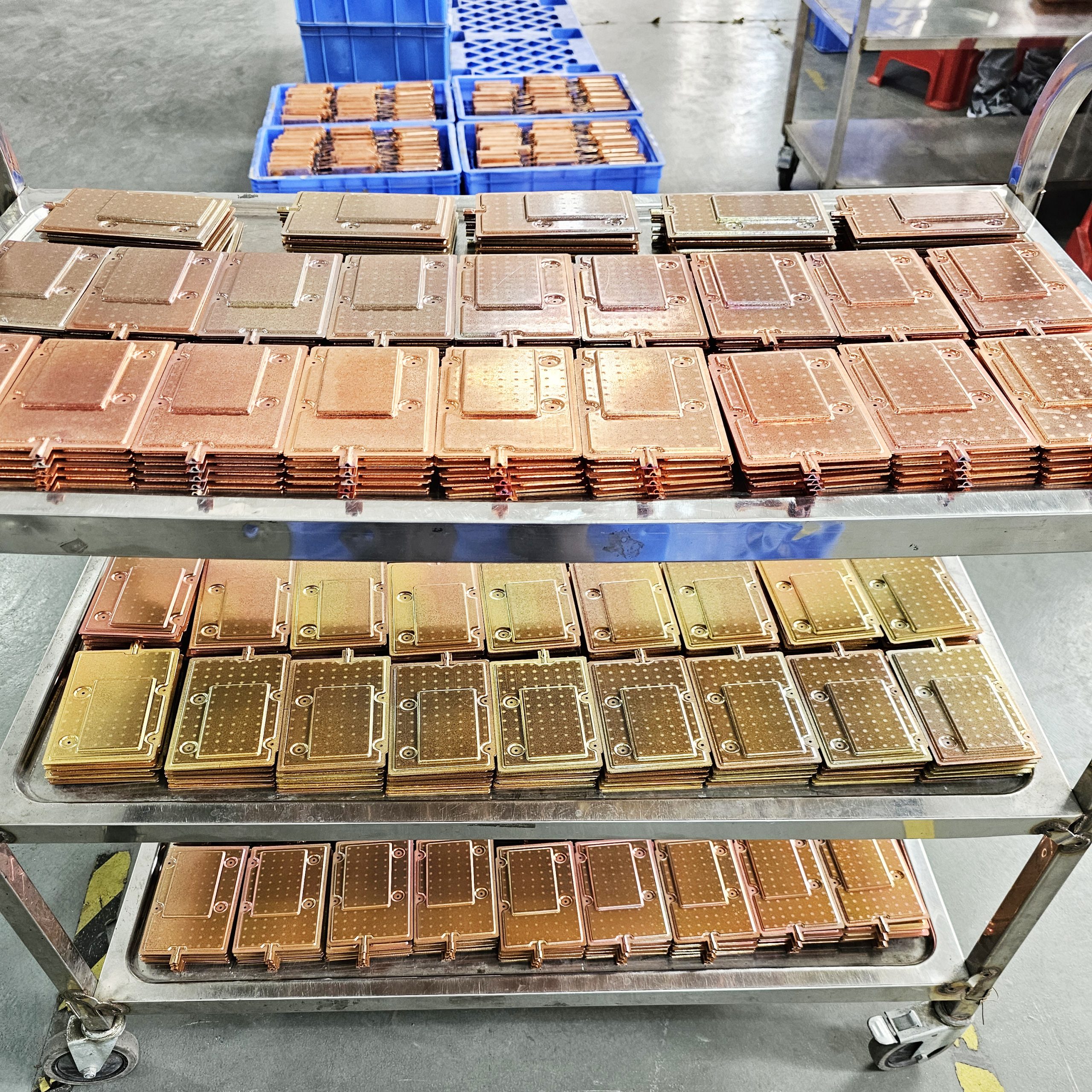
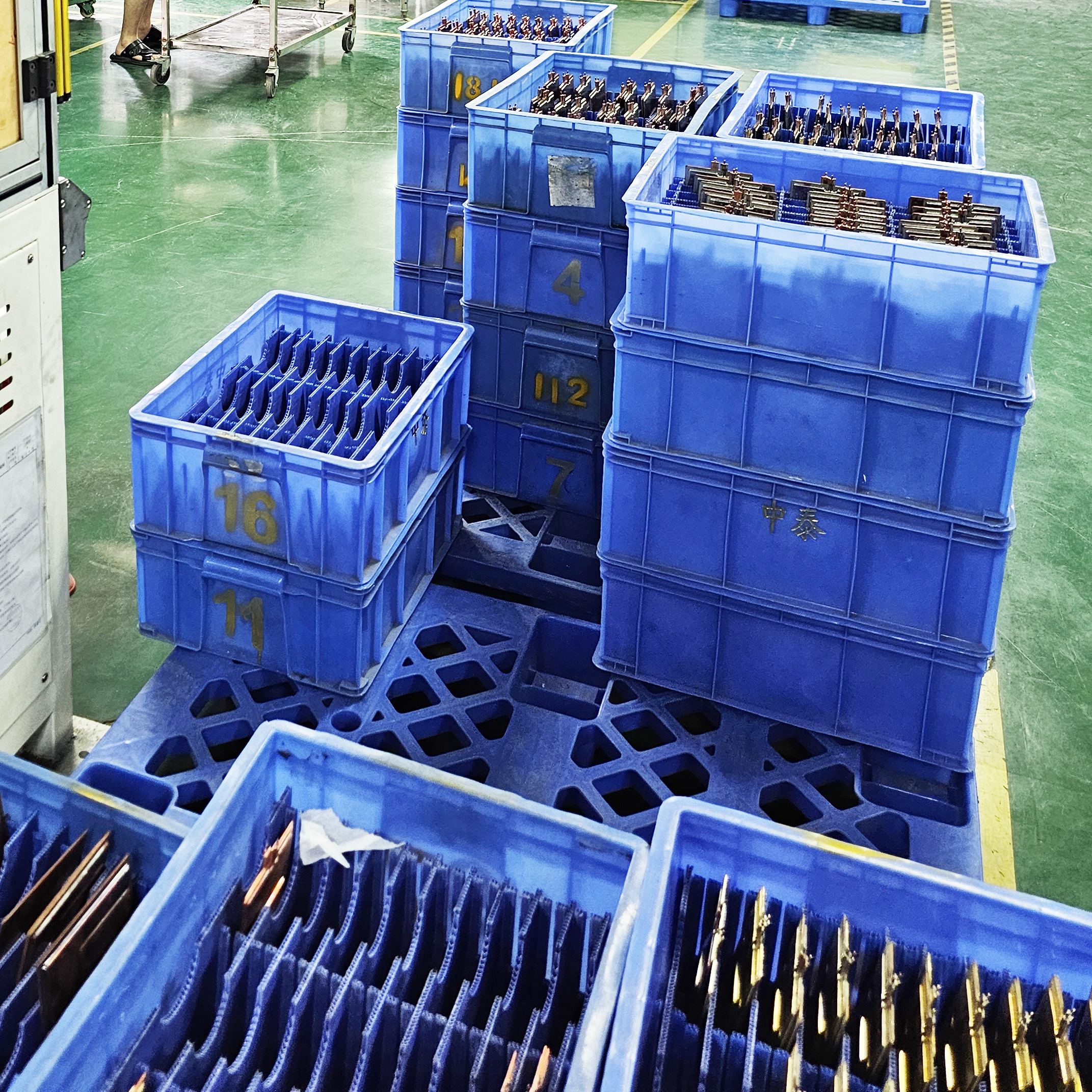
A vapor chamber is a planar heat pipe, designed to spread heat in two dimensions. In particular, it is used in high heat flux applications or whenever two-dimensional thermal spreading is required. Thanks to this technology, higher-performance CPUs, GPUs, and LEDs — especially those with a higher TDP or in an overclocked state — can be efficiently and effectively cooled to safe operating temperatures.
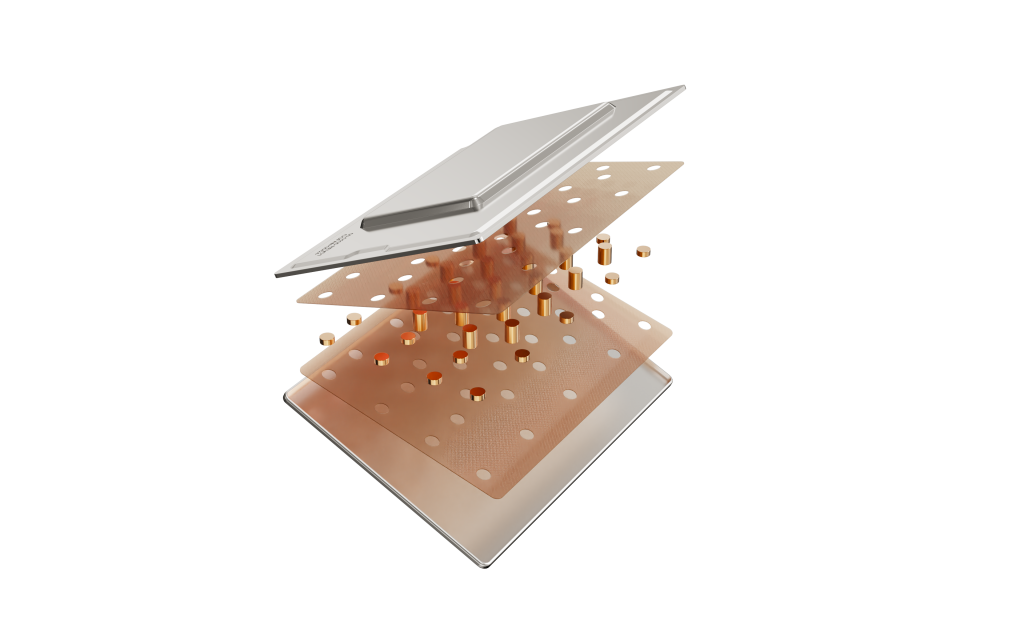
Consequently, this helps extend both component and overall product lifespan. As illustrated in the diagram, the vapor chamber incorporates a wicked structure filled with coolant. When exposed to heat, the coolant undergoes a phase change from liquid to gas and back again. Through this process, heat is transferred quickly and uniformly across the surface.
Benefits
- Elimination of hot spot
- Better fin efficiency and equilibrium temperature
Dimensions
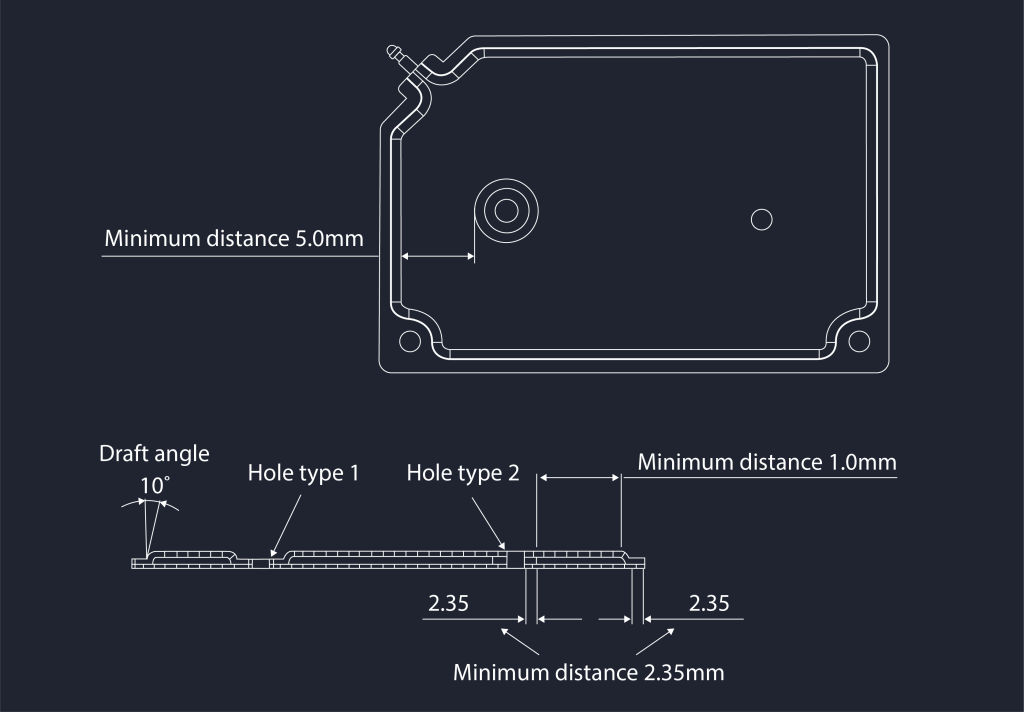
- Size: 350mm x 350mm
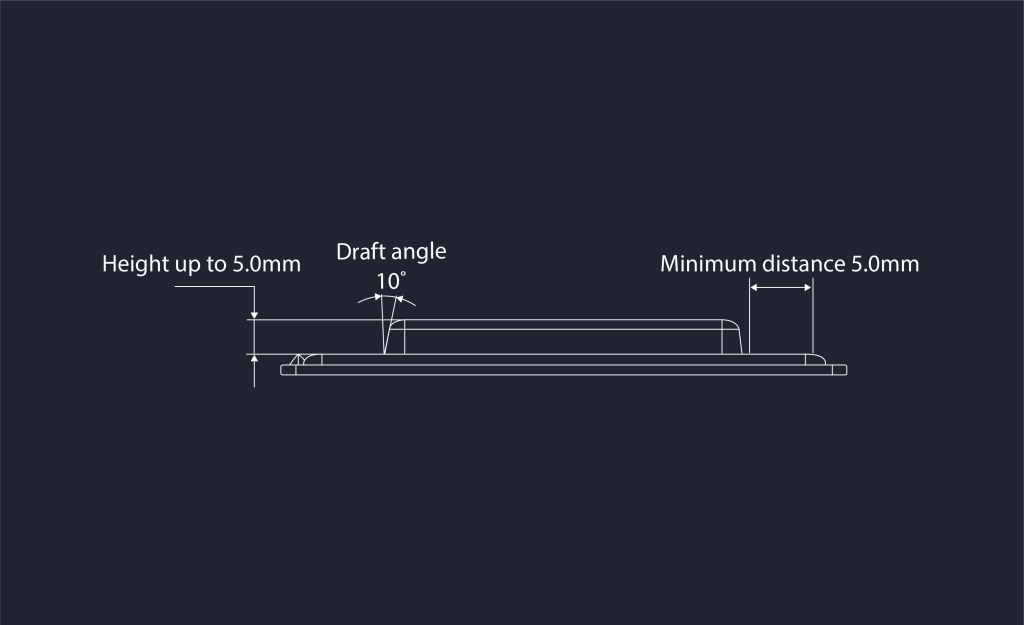
- Thickness: 0.5mm - 5.0mm
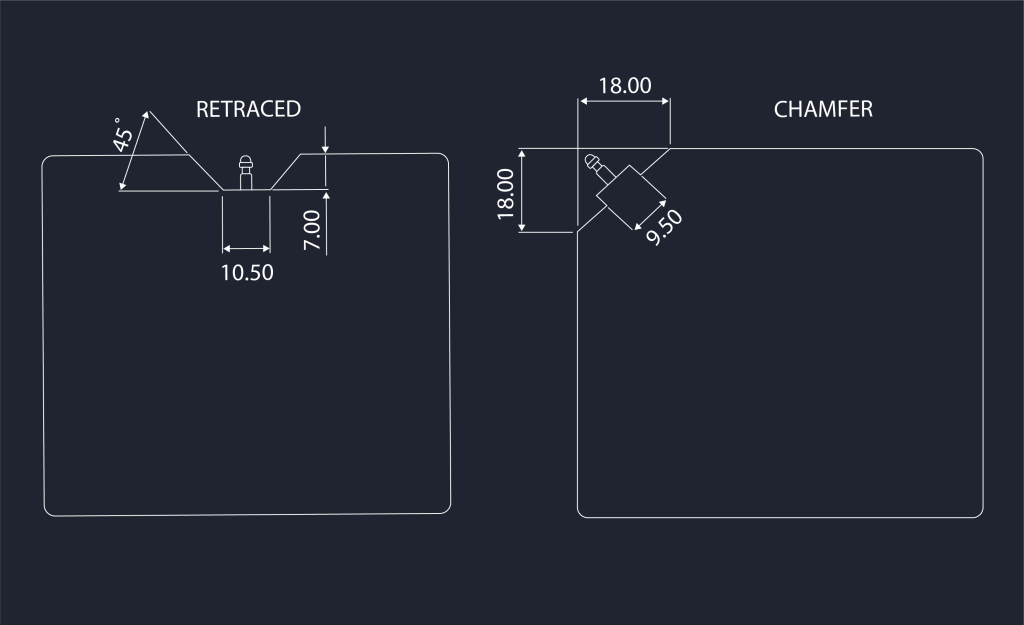
- Shape: Base on stamping and bending limitation
Vapor Chamber Technology: What It Is and How It Works
Cofan’s vapor chamber is an advanced type of heat spreader, specifically engineered for use in electronics and other thermal management applications. To begin with, it is designed to efficiently transfer heat away from its source. Then, it distributes that heat across a larger surface area for more effective dissipation. As a result, it enables improved temperature control in high-performance environments. Therefore, it plays a crucial role in maintaining optimal operating temperatures. This is particularly important in systems that demand compactness, reliability, and, most importantly, consistent thermal performance.
Structure and Design
Cofan’s thermal solutions offer numerous advantages over traditional thermal solutions. First and foremost, they provide exceptionally high thermal conductivity, thanks to the efficiency of the liquid-vapor phase-change cycle. In contrast to solid metal conductors like copper or aluminum, they spread heat more uniformly across a surface. As a result, they effectively minimize thermal hotspots and help maintain consistent device temperatures.
Moreover, their thin and lightweight construction makes them ideal for compact designs where space is limited. Even so, they deliver excellent thermal performance, helping to improve both the longevity and reliability of sensitive electronic components.
How It Works
This technology operates through a continuous, passive phase-change cycle. To begin with, heat is applied to one area of the chamber, causing the nearby working fluid to absorb energy and evaporate. Subsequently, the resulting vapor moves toward cooler regions inside the chamber. Upon reaching these cooler zones, it condenses back into liquid form, releasing the stored heat in the process. Following that, the wick structure transports the liquid back to the heated area via capillary action, thus completing the cycle. Overall, this loop repeats constantly, ensuring consistent and efficient thermal regulation—all without any moving parts.
Common Applications
Cofan’s vapor chambers are used across a variety of industries because of their versatility and high-performance capabilities. In the realm of consumer electronics, they are integrated into CPUs, GPUs, and chipsets in order to prevent overheating and maintain system stability. Meanwhile, in aerospace applications, they manage onboard thermal loads in avionics and spacecraft systems, where both precision and reliability are critical. Additionally, vapor chambers are widely adopted in LED lighting systems to dissipate heat from high-power LEDs, thereby ensuring better performance as well as a longer lifespan.
In summary, Cofan’s vapor chambers serve as a trusted solution for applications that demand compactness, consistent performance, and, most importantly, superior thermal efficiency.
Vapor Chamber Structure
Vapor Chamber's Structure
A vapor chamber is a highly efficient heat spreader used in various thermal management applications. At its core, its structure is designed to utilize the principles of phase change and capillary action in order to effectively spread and dissipate heat across its surface.
Vapor Chamber Operation
Vapor chambers operate through repeated heat cycles that continuously regulate temperature. To put it simply, they function similarly to planar heat pipes. Because of this, they are especially well-suited for thin, high-performance systems where space is limited and efficient cooling is essential.
Thanks to the continuous phase-change cycle, temperature remains stable and consistent throughout operation. Inside the chamber, the wick structure plays a critical role by effectively facilitating fluid movement. As a result, vaporization, condensation, and liquid return take place in a seamless, ongoing loop. In turn, this ensures reliable thermal regulation without relying on bulky or heavy cooling hardware.
Moreover, the elimination of large cooling components supports more compact and lightweight system designs. Ultimately, vapor chambers enable engineers to create efficient, high-performance products that meet the demands of today’s space-constrained and thermally intense applications.
Vapor Chamber Introduction
Vapor Chamber's Structure
- Two-phase flow heat transfer
- Heat turns working fluid from liquid to vapor which travel to heat exchanger side
- Heat exchanger cooling down vapor back to liquid and return back to heat source side by capillary action
- Suitable for high power density heat source
Design Consideration
We offer bespoke vapor chamber designs, ensuring quick turnaround times at every stage—from prototyping to full-scale production. In every phase, our team is dedicated to delivering high-quality solutions tailored to suit specific application needs. From initial concept to final product realization, we provide support that is both responsive and detail-focused. As a result, our customers receive thermal solutions that are optimized, efficient, and ready for real-world deployment.
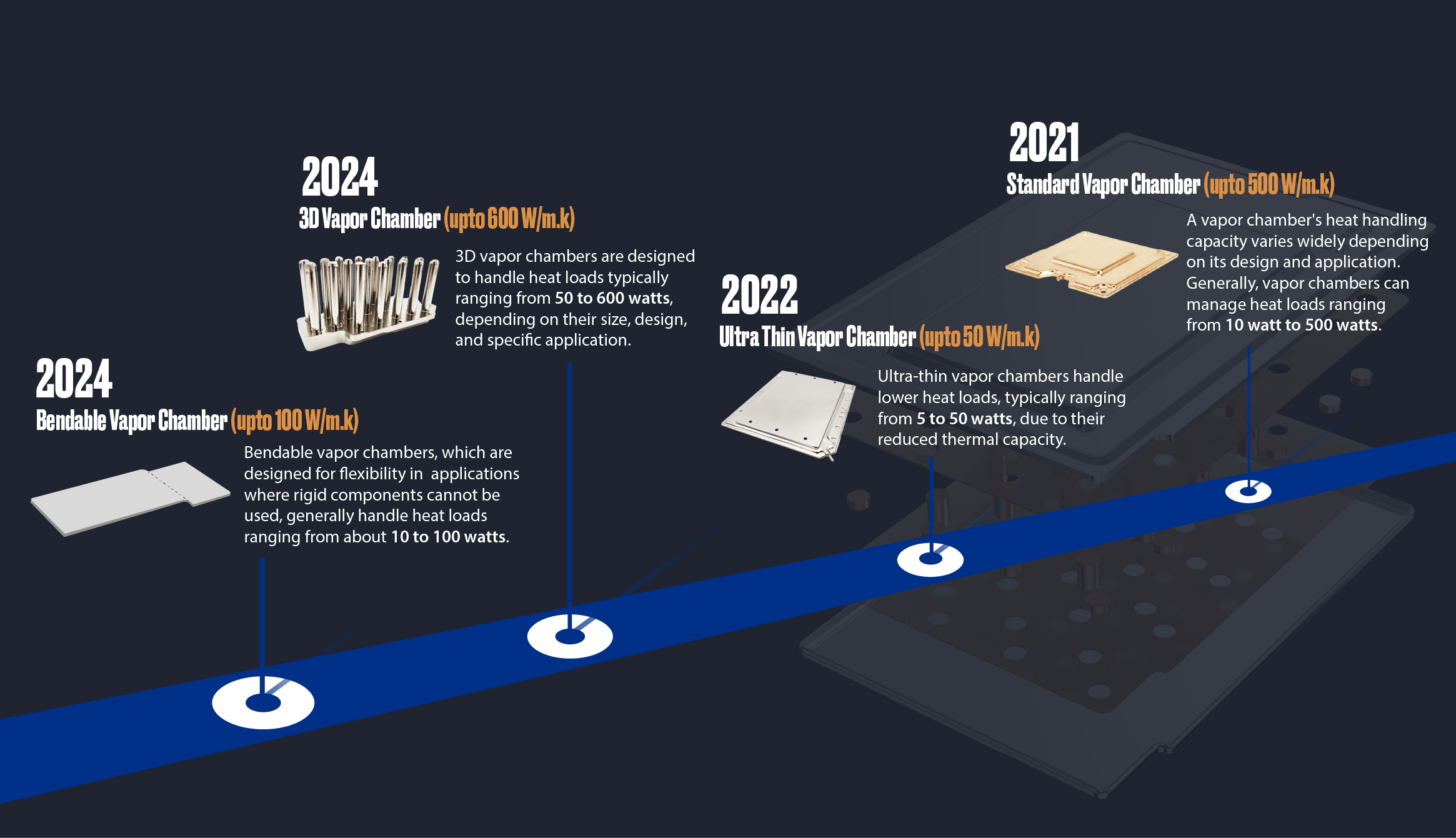
Cofan technology roadmap
Heat Pipe vs Vapor Chamber
|
Heat Pipes
|
|
Vapor Chamber
|
|---|---|---|
|
Two Phase Flow - Linear Heat Transfer
|
Heat Transfer Theory
|
Two Phase Flow 2-D and 3-D Heat Transfer
|
|
1-D Heat Distribution
|
Heat Flow
|
2-D and 3-D Heat Distribution
|
|
Heat Spreading (PC, Military, Aerospace, 5G/6G, LED, Projector, Graphic, New Energy) |
Application
|
Heat Spreading (PC, Military, Aerospace, 5G/6G, LED, Projector, Graphic, New Energy) |
|
Good for Multi Heat Sources on Different Surface, Complicated Structure and Anti-gravity |
Advantage
|
Good for Higher Power Density, Thin and Large Area Solution
|
|
D12>100W, D10>80W, D6>40W, D5>20W, D4>18W, D3>12W, D2>8W |
Qmax
|
300*300*3(MM) >2000W, 200*200*3(MM) >800W, 100*100*3(MM) > 600W, 80*80*3(MM) >400W, 60*60*3(MM) >200W |
|
T0.5 (20%), T0.6-1.2 (16%), T1.3-2.5 (13%), T2.5 (10%)
|
Performance after bending(90°)
|
T6 (10%), T6-T3 (20%), T3 (25%)
|
|
Tube Flattened or Bent
|
Shape
|
Complex Shape
|
|
Base Plate or Flattened / Machined
|
Mount with Heat Source
|
Direct Contact
|
|
Small Contact Area
|
Contact with Heat Source
|
Large Contact Area
|
|
Low Cost
|
Cost
|
High Cost
|
Vapor Chamber Type
Standard
Two-piece vapor chambers feature separate evaporator and condenser sections, allowing flexible layouts and customization for specific cooling needs. They offer easy integration into various devices. One-piece vapor chambers are cost-effective, mass-produced cooling solutions, offer reliable heat dissipation for budget-friendly consumer electronics.
Ultra Thin
Ultra-thin vapor chambers, less than 1mm thick, are perfect for tight spaces, providing efficient heat transfer and high thermal conductivity in compact devices.
3D Type
3D vapor chambers have complex structures that boost heat dissipation, making them ideal for high-power electronics and gaming systems.
Wick Structure
Cofan’s wick structure inside a vapor chamber is a crucial component that facilitates effective heat transfer. Essentially, it functions as a flat, planar heat spreader that operates on the principles of phase change, much like traditional heat pipes. Because of this, the wick structure plays a significant role in the chamber’s performance.
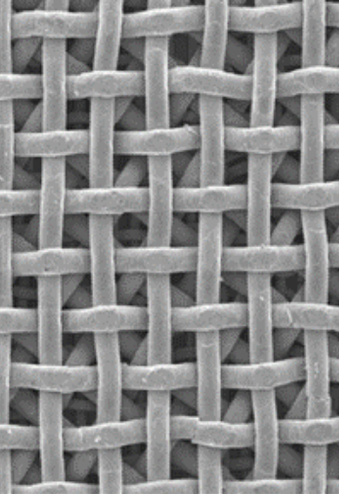
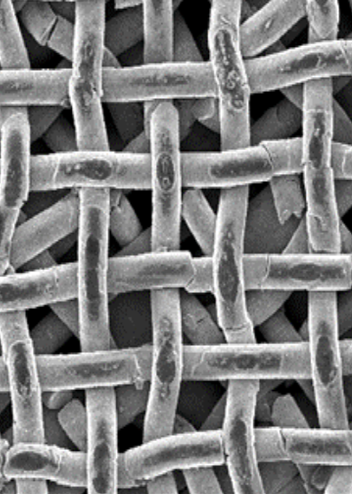
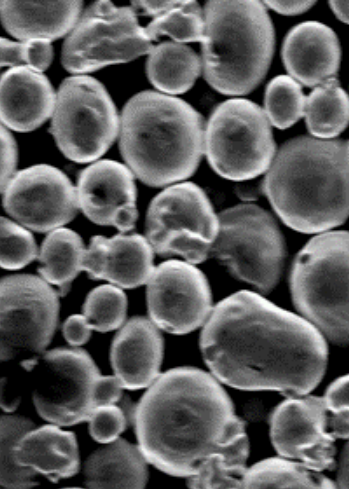
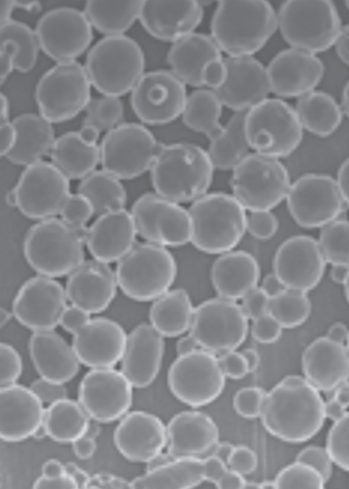
Typically, the wick is made from porous materials such as sintered metal powders, metal meshes, or grooves etched into the chamber walls. This design enables capillary action, which evenly distributes the working fluid—usually water—across the entire surface area of the vapor chamber. As a result, the system maintains consistent thermal regulation even under varying load conditions.
Top View
Side View
Low Density Type
High Density type
Sintered Type
Hybrid Wick Structure
Performance Comparison
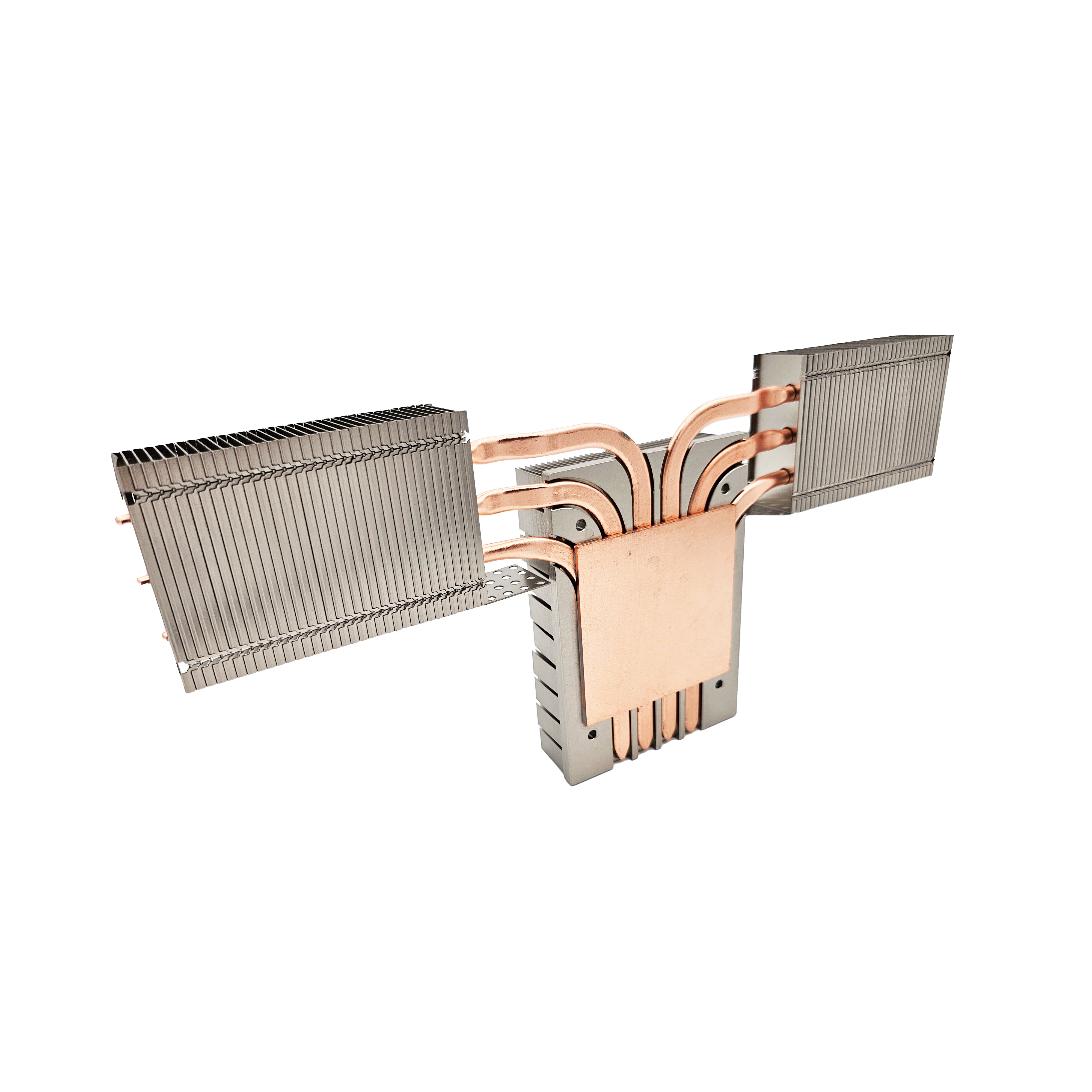
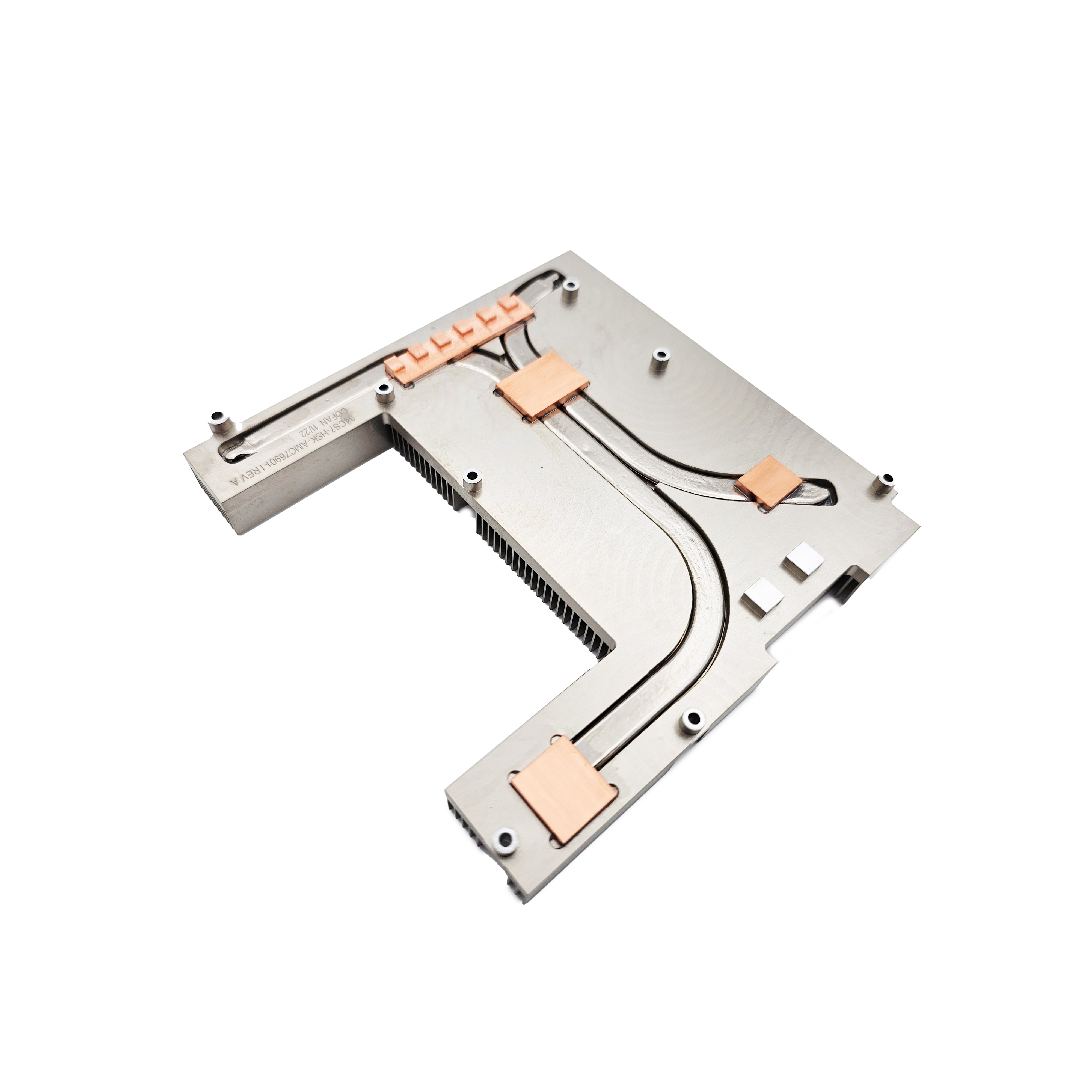
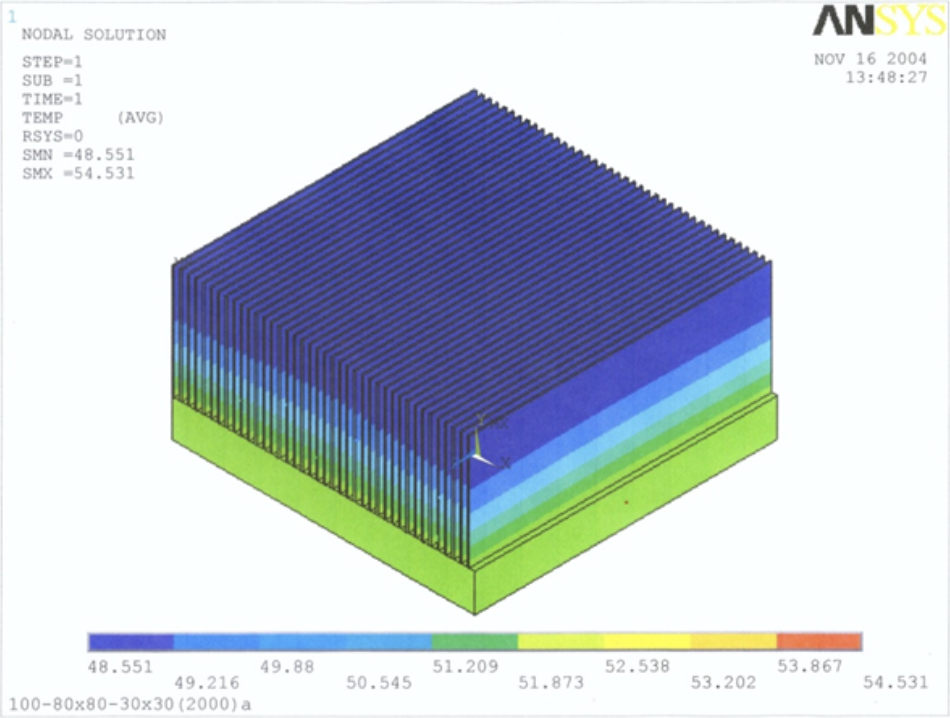
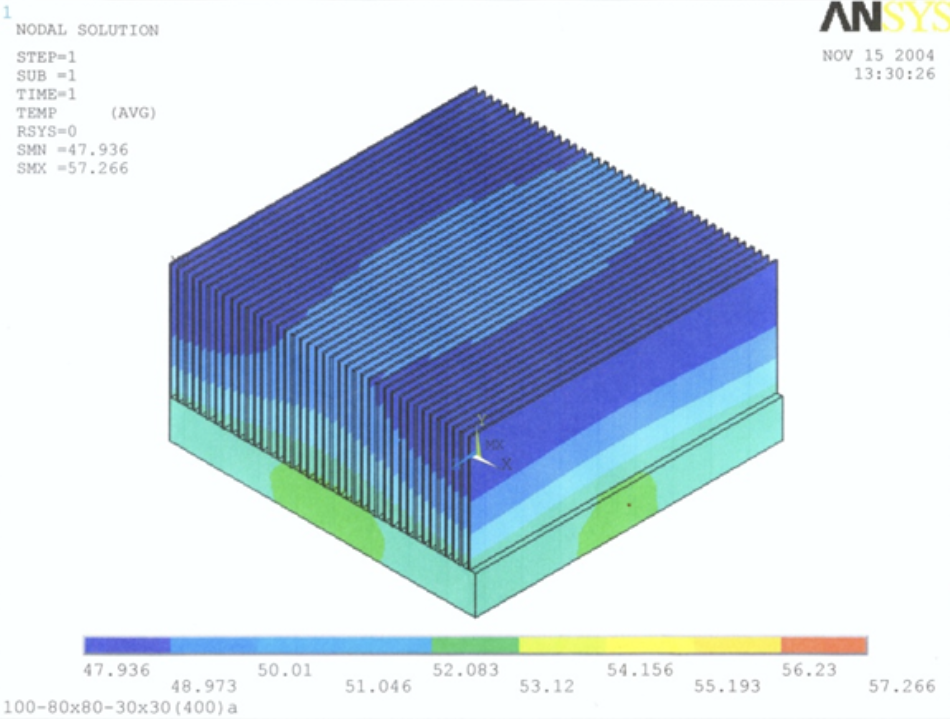
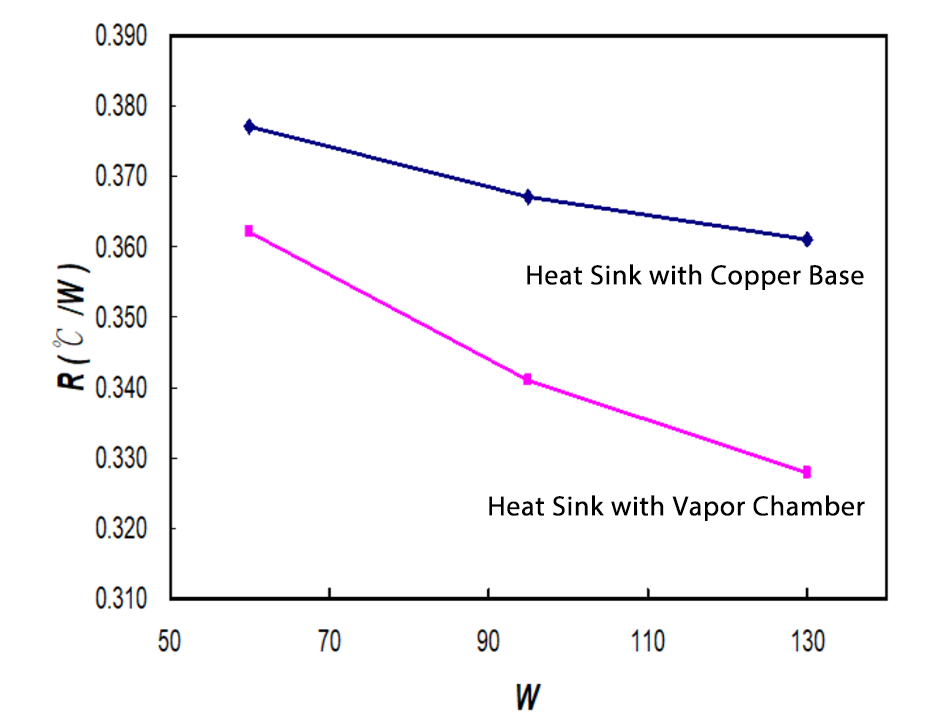
A heatsink with a vapor chamber typically outperforms a traditional copper heatsink, particularly in applications that demand efficient heat spreading, reduced hotspots, and compact design. As a result, it provides better cooling efficiency for high-power electronics. However, this performance often comes at a higher cost compared to standard copper heatsinks.
Heat Sink with Vapor Chamber
Heat Sink with Copper Base
VAPOR CHAMBERS IN INDUSTRIES
GPU/CPU
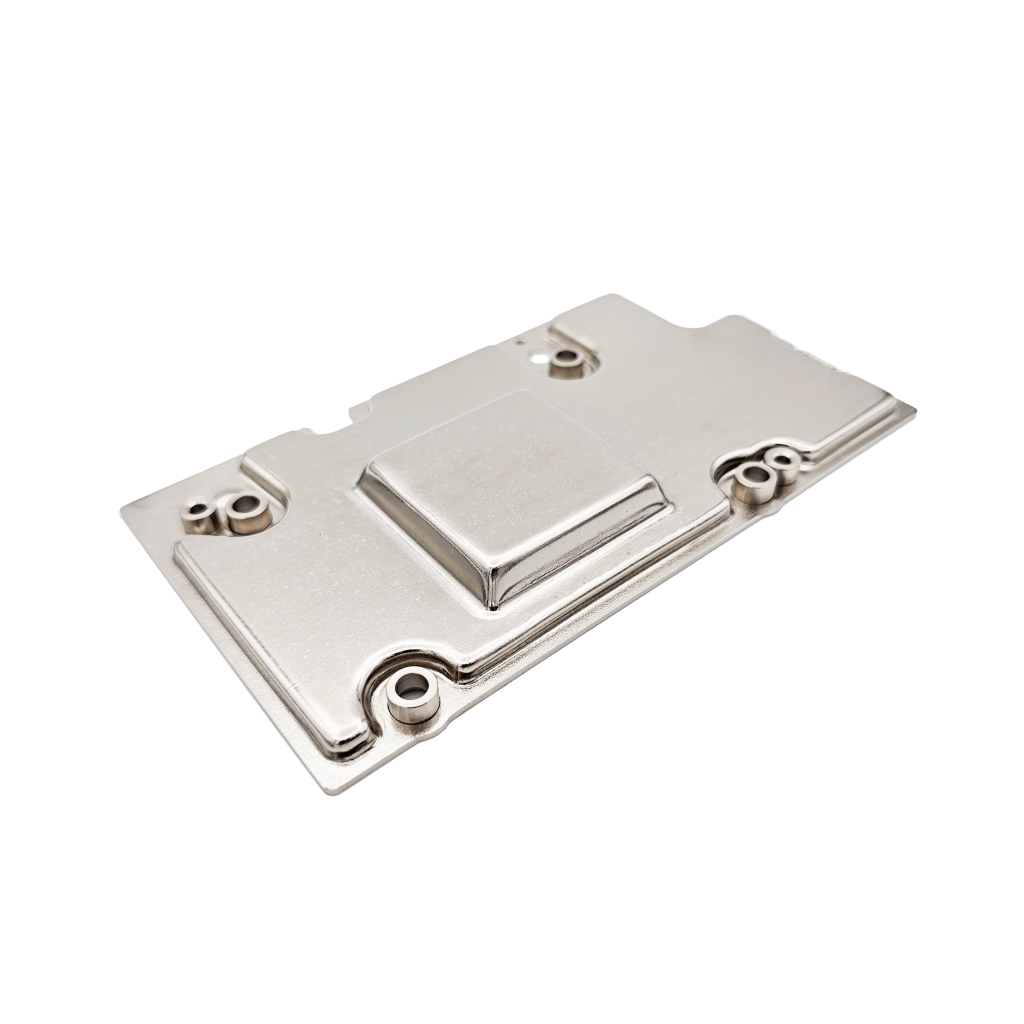
Vapor chambers efficiently spread heat across GPUs, significantly enhance heat dissipation to prevent thermal throttling, and improve device longevity and reliability by maintaining consistently lower operating temperatures.
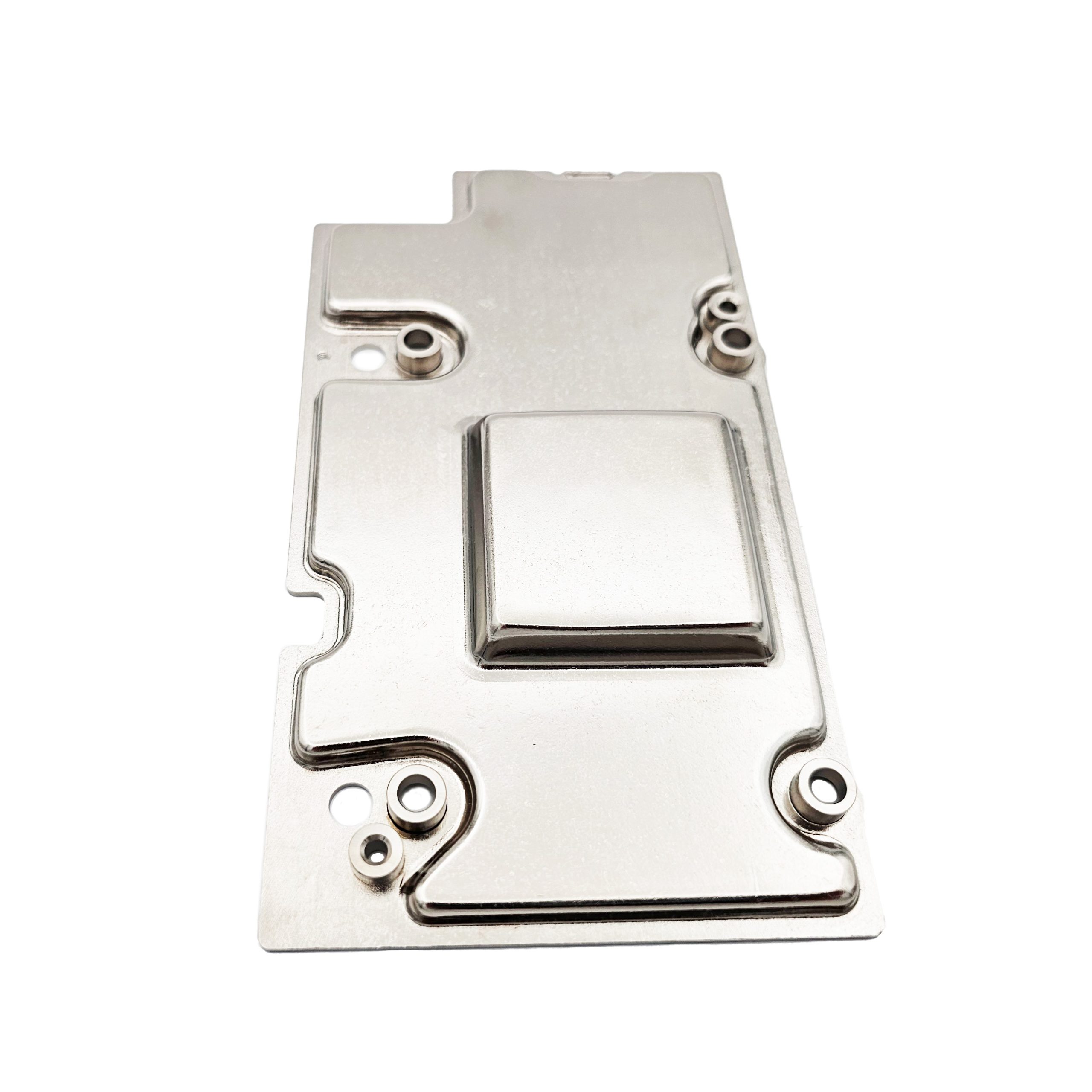
- Process: Forming, Weldiing, Annealing
- Material: Aluminum
- Finish: Nickel Plating
- Part No : 91.04.90021
GPU/CPU
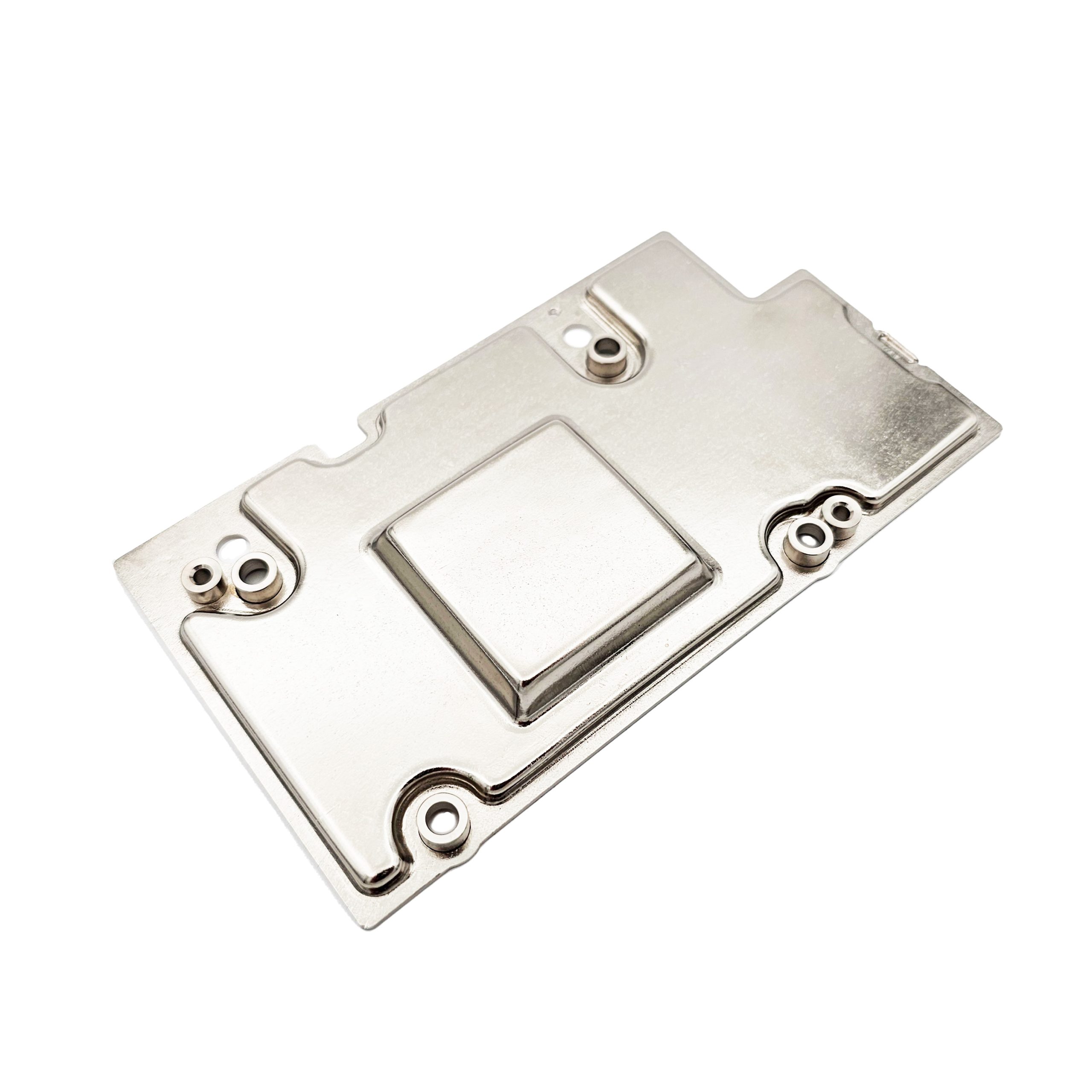
Vapor chambers efficiently spread heat across GPUs, significantly enhance heat dissipation to prevent thermal throttling, and improve device longevity and reliability by maintaining consistently lower operating temperatures.
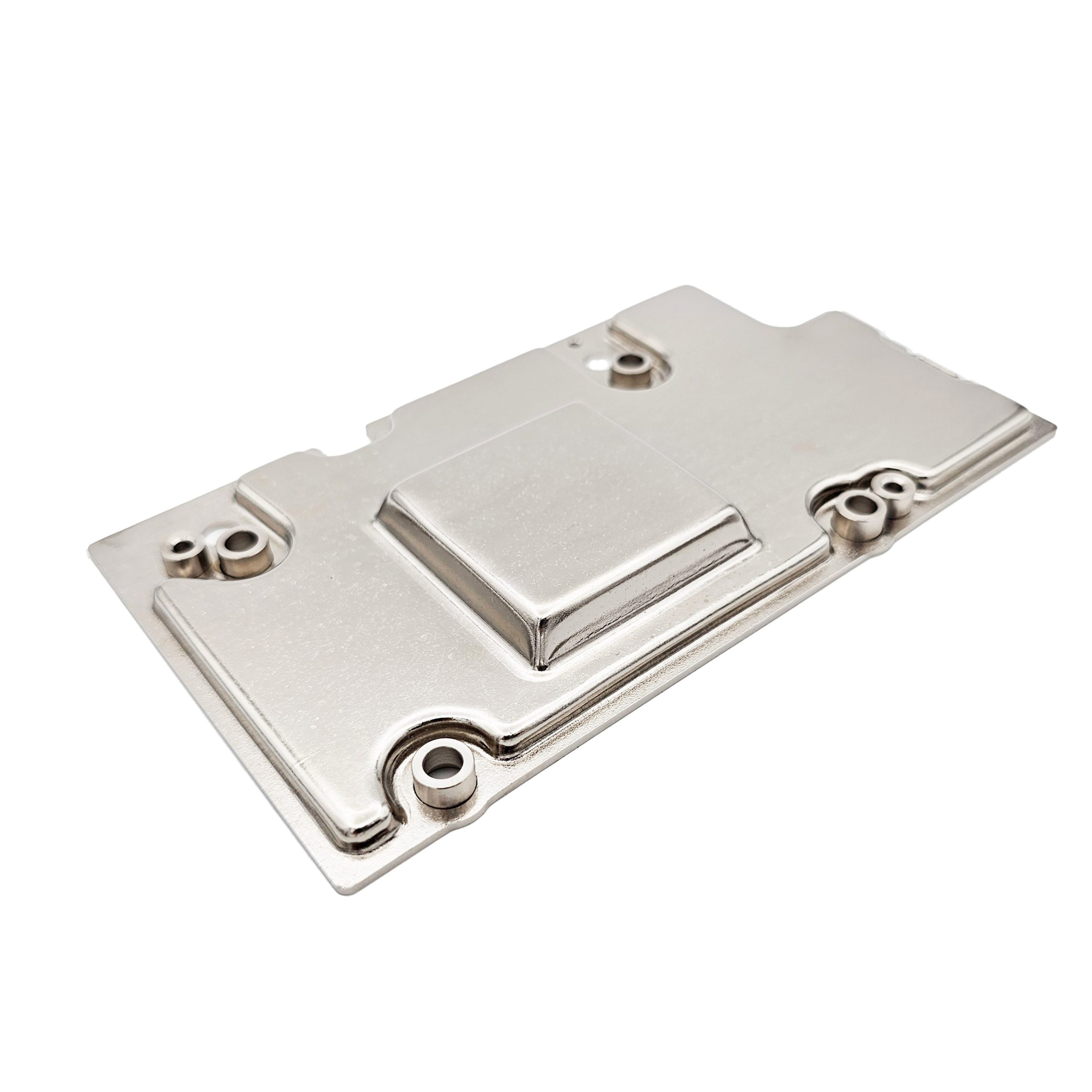
- Process: Forming, Welding, Annealing
- Material: Aluminum
- Finish: Nickel Plating
- Part No : 91.04.90035
Medical
Vapor chambers efficiently manage heat in medical devices like MRI machines, CT scanners, and portable monitors. They offer uniform heat distribution, compact size, reliability, and quiet operation, thereby enhancing device performance and safety.
- Process: Forming, Welding, Annealing
- Material: Aluminum
- Finish: Nickel Plating
- Part No : 91.04.90268
Automotive
Vapor chambers in automobiles enhance EV battery performance, prevent LED overheating, ensure reliable power electronics, and maintain optimal temperatures for infotainment systems, ECUs, and autonomous vehicle sensors.
- Process: Forming, Welding, Annealing
- Material: Aluminum
- Finish: Nickel Plating
- Part No : 91.04.90213
Automotive
Vapor chambers in automobiles enhance EV battery performance, prevent LED overheating, ensure reliable power electronics, and maintain optimal temperatures for infotainment systems, ECUs, and autonomous vehicle sensors.
- Process: Forming, Weldiing, Annealing
- Material: Aluminum
- Finish: Nickel Plating
- Part No : 91.04.90057
Laptop
Vapor chambers manage heat from light sources and internal components, effectively prevent overheating and image distortion, and ensure consistent performance and reliability during prolonged and intensive use.
- Process: Forming, Welding, Annealing
- Material: Aluminum
- Finish: Nickel Plating
- Part No : 91.04.90298
Projector
Vapor chambers evenly distribute heat, prevent hot spots, and enable thinner, lighter designs without compromising cooling. They also improve battery life and performance by maintaining optimal CPU and GPU temperatures.
- Process: Forming, Welding, Annealing
- Material: Aluminum
- Finish: Nickel Plating
- Part No : 91.04.90205
More products
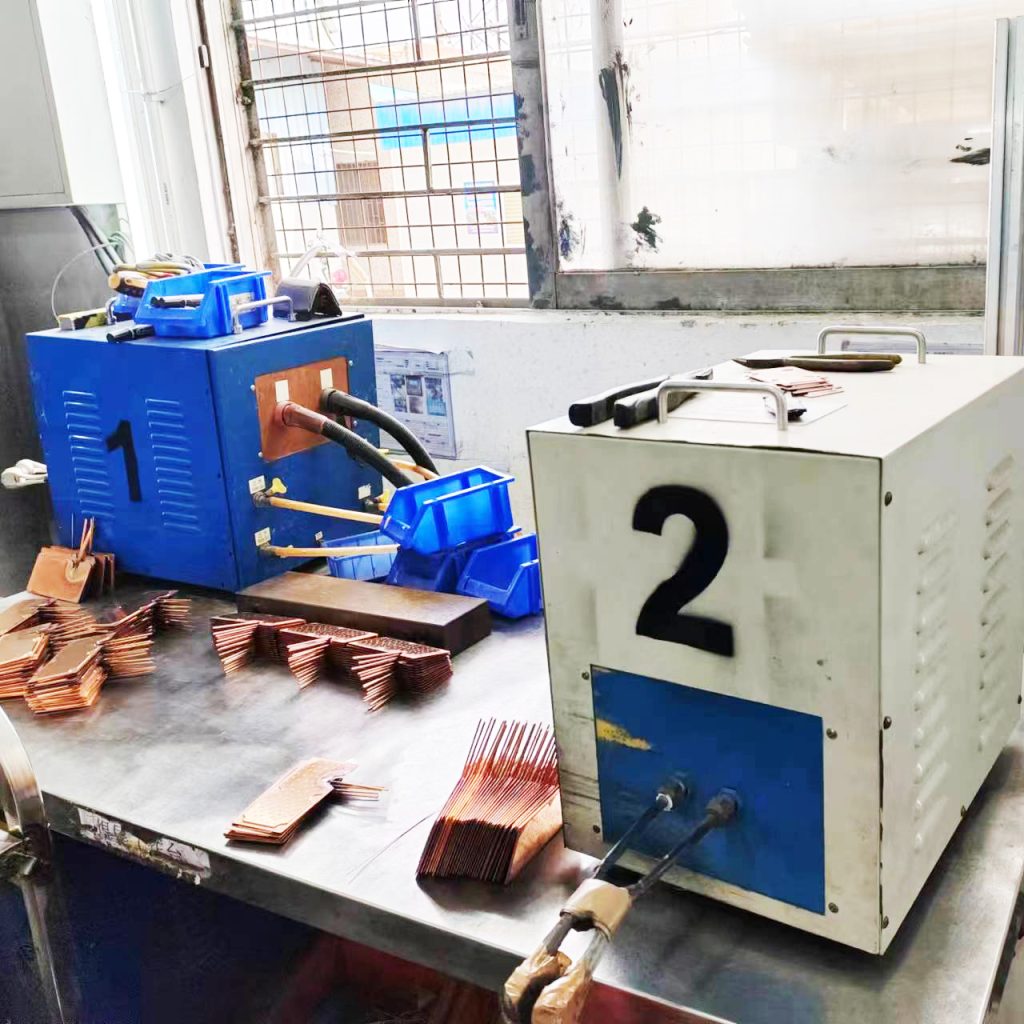
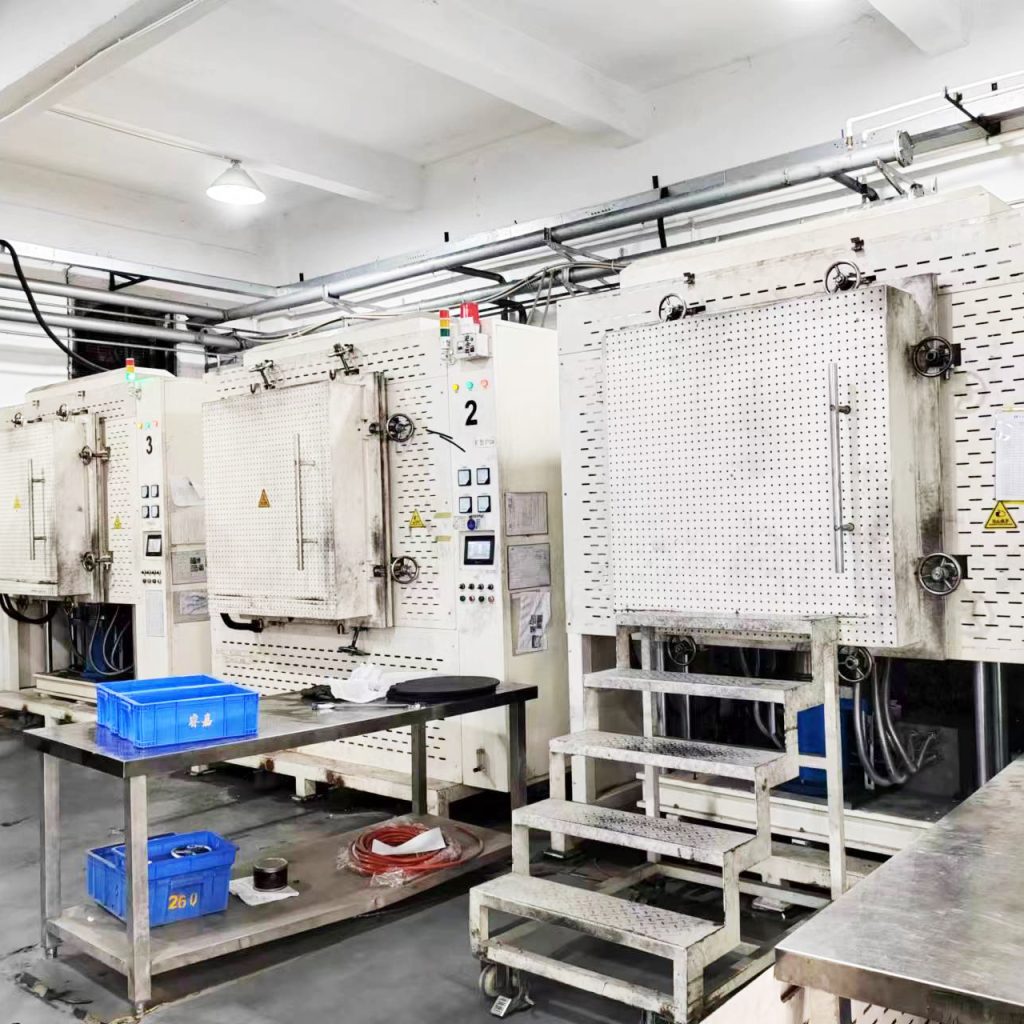
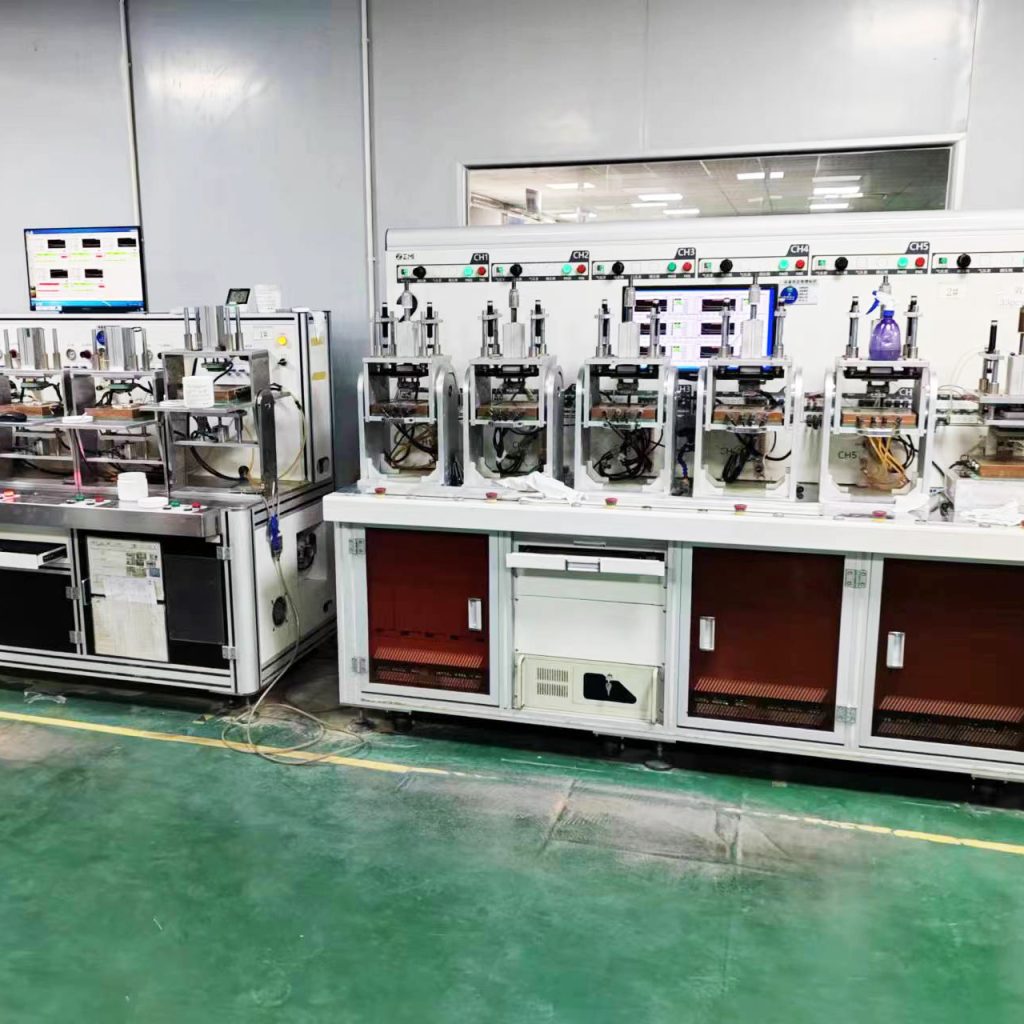
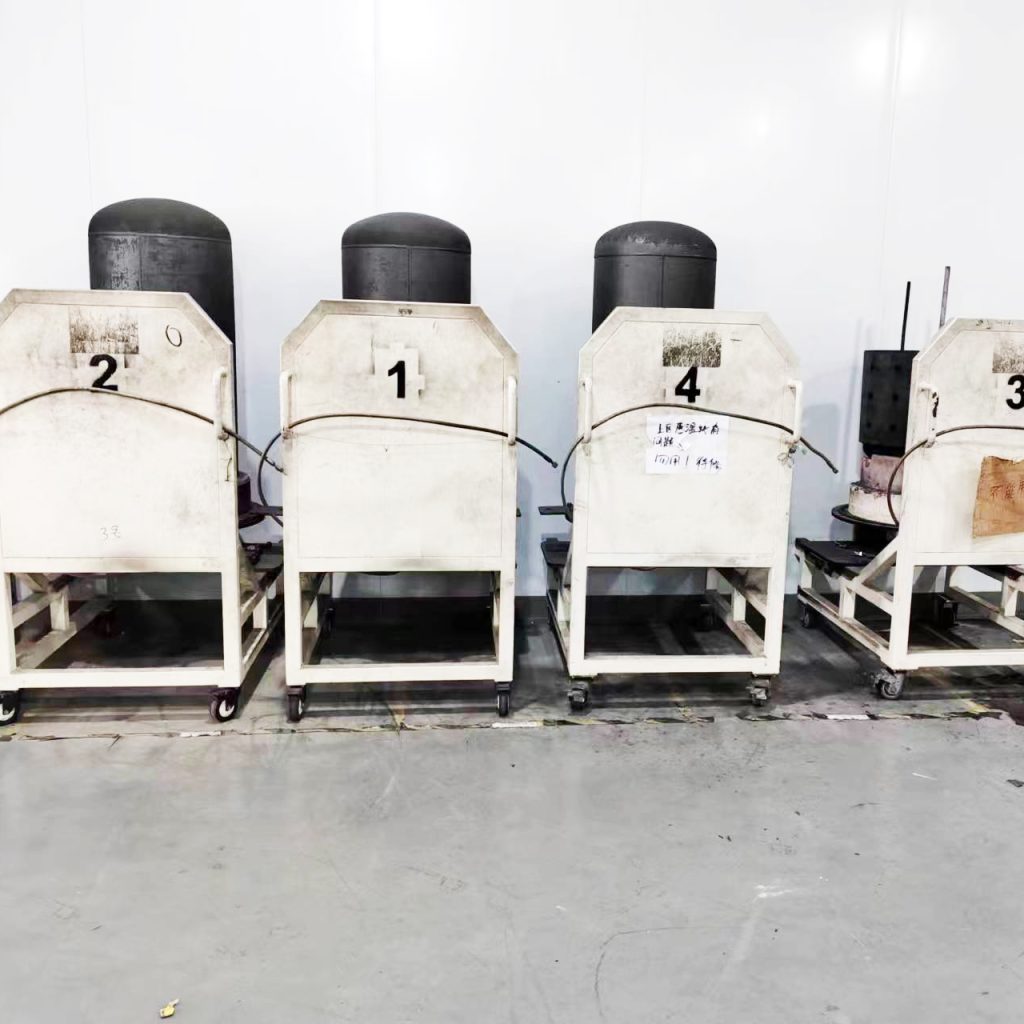
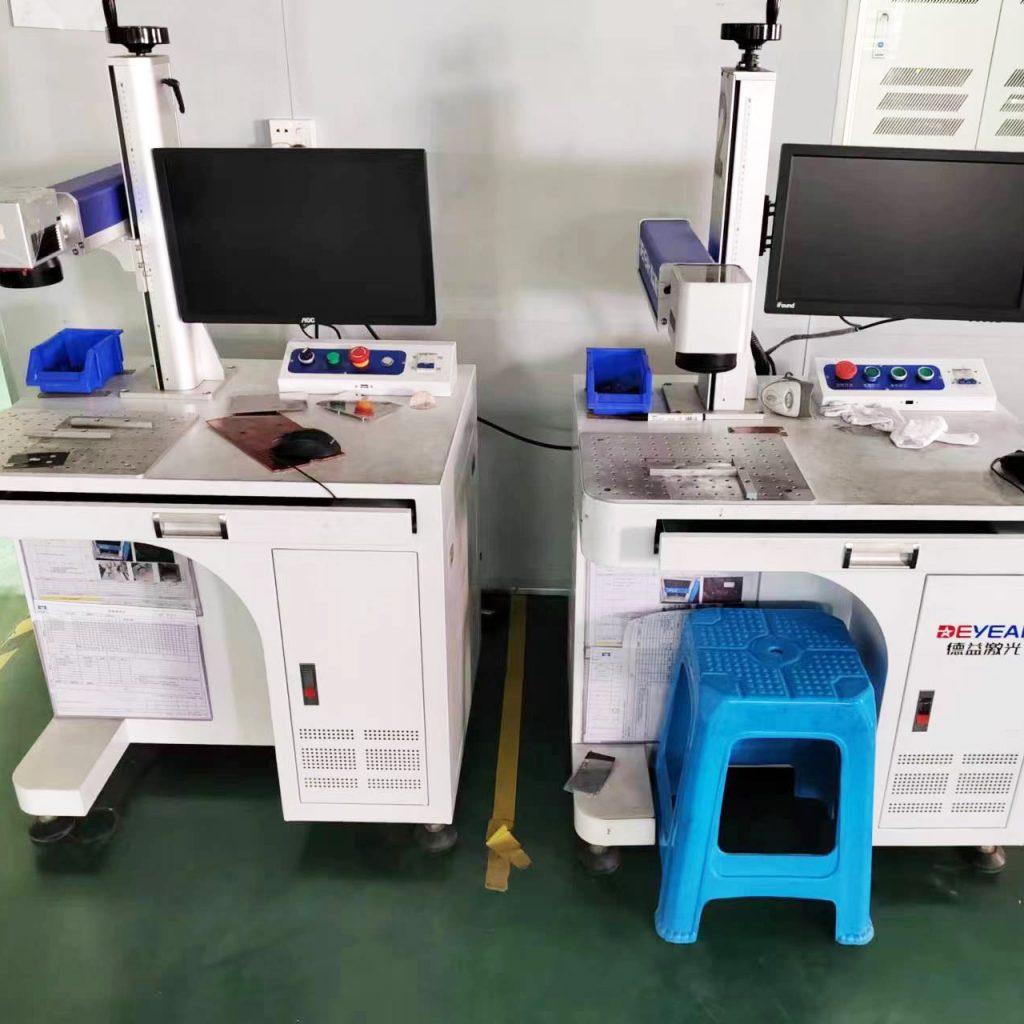
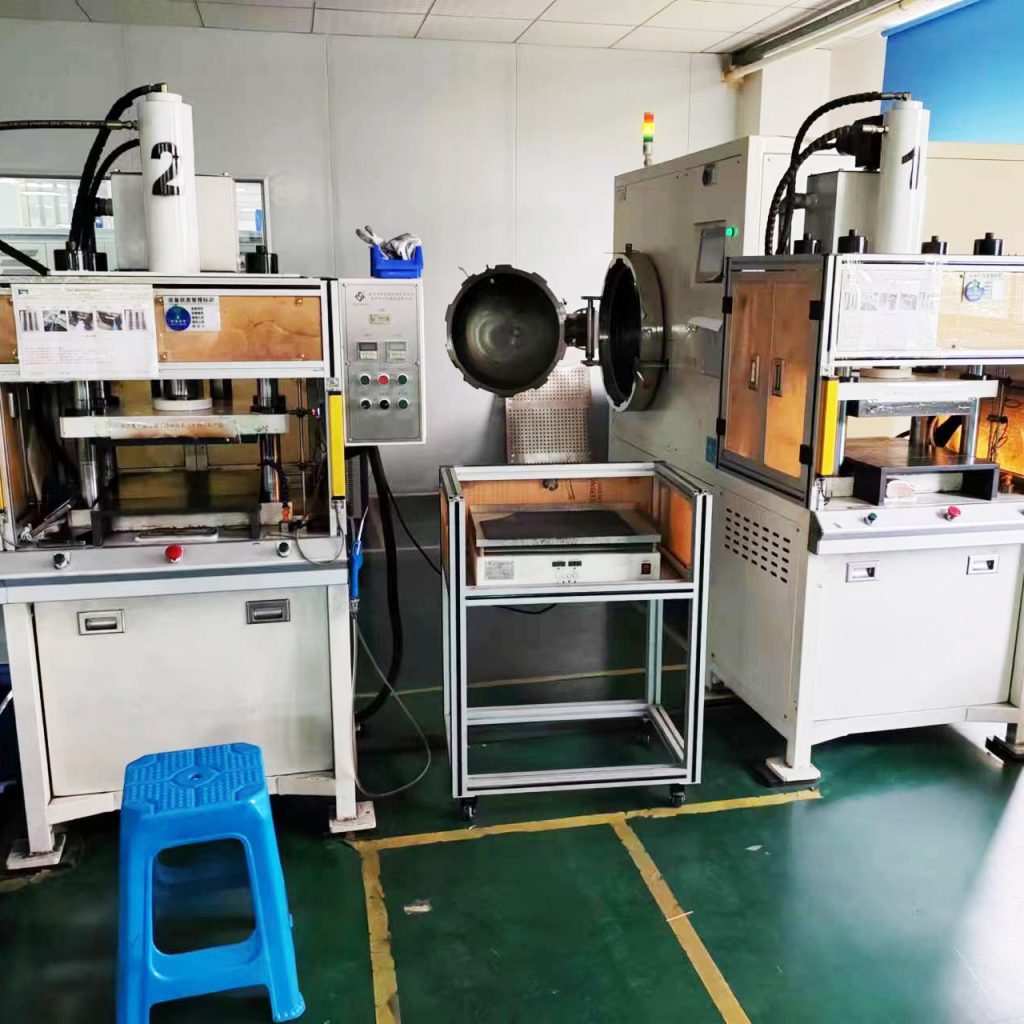
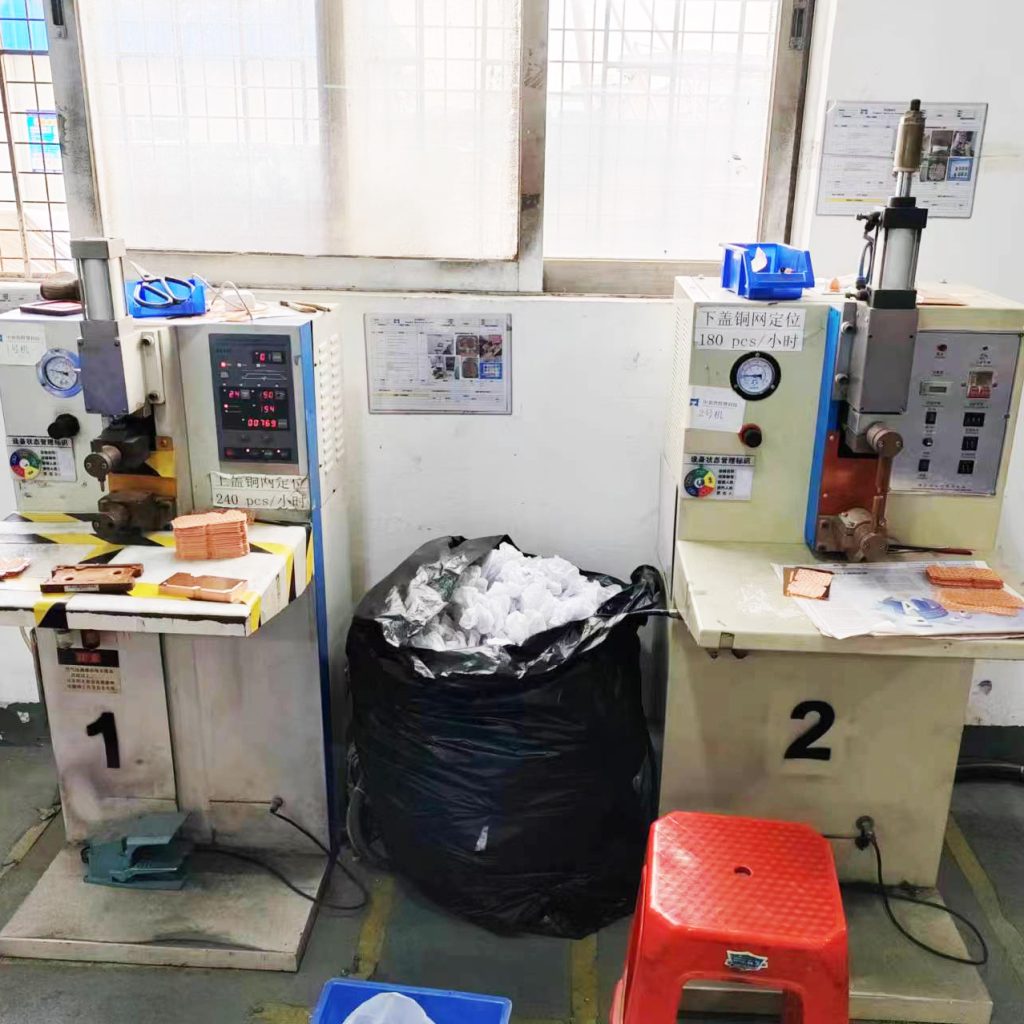
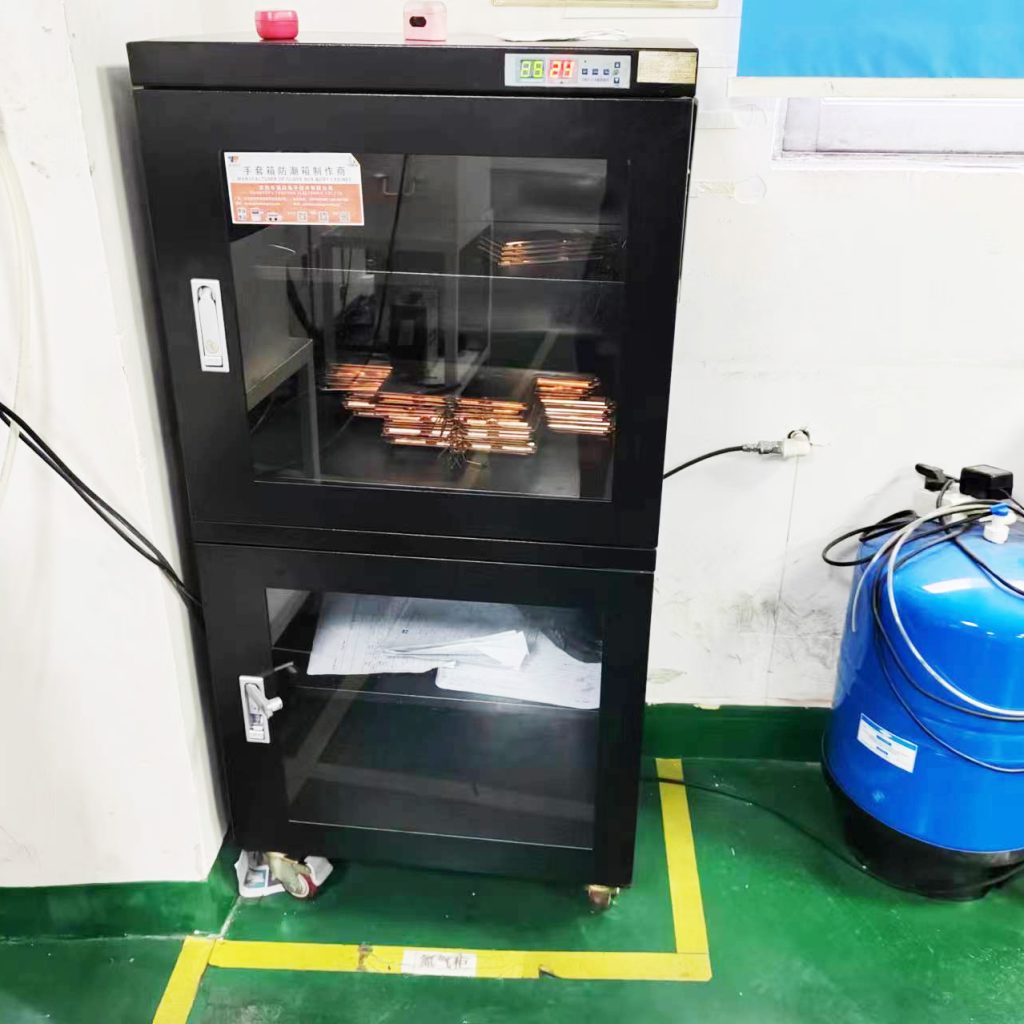
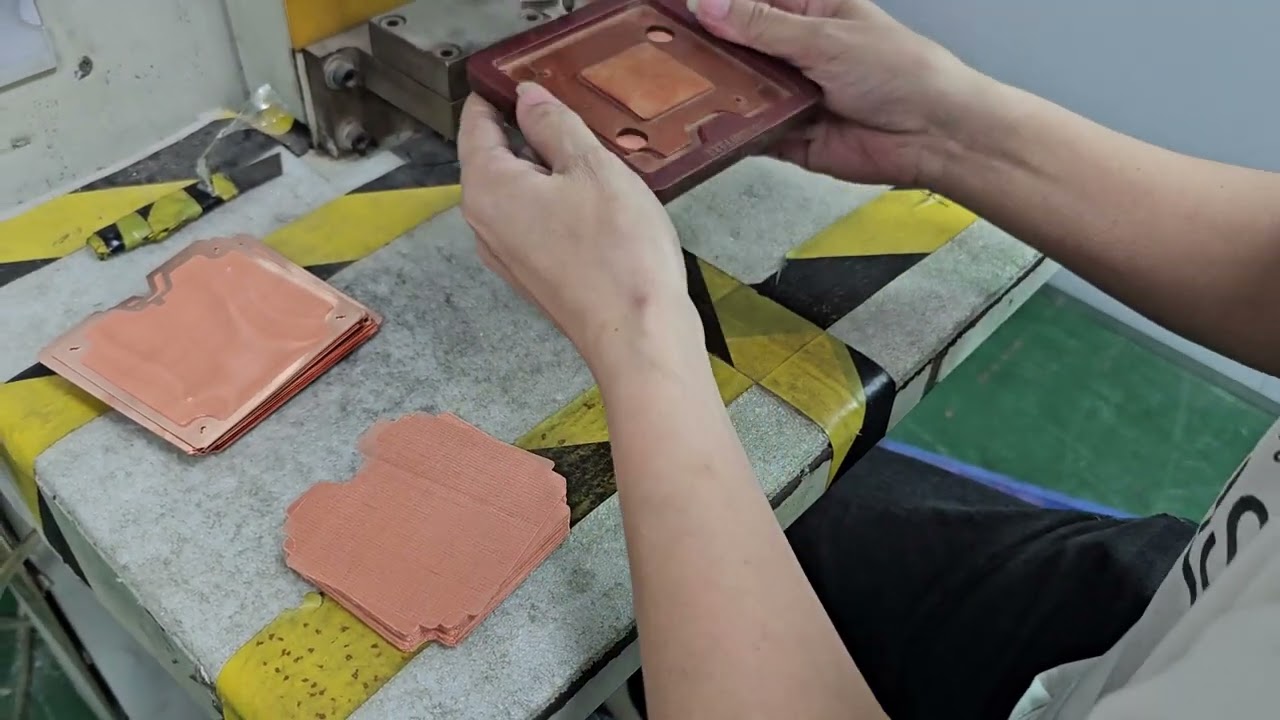
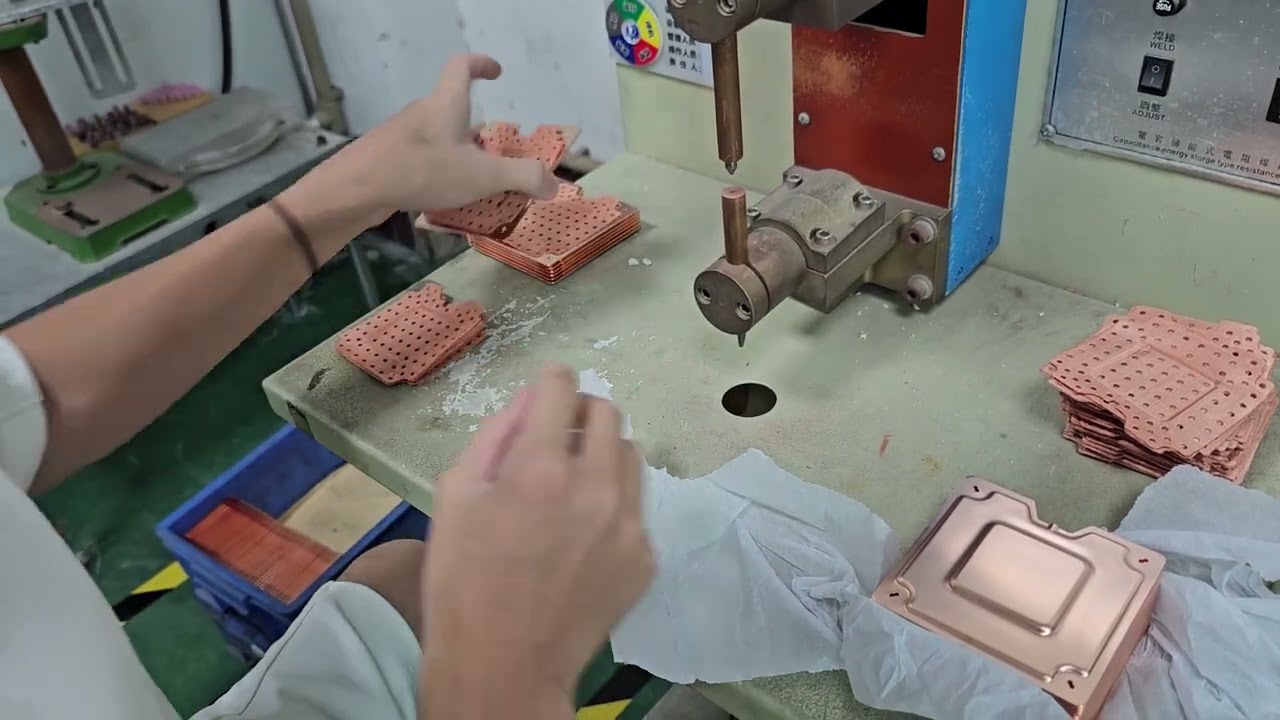
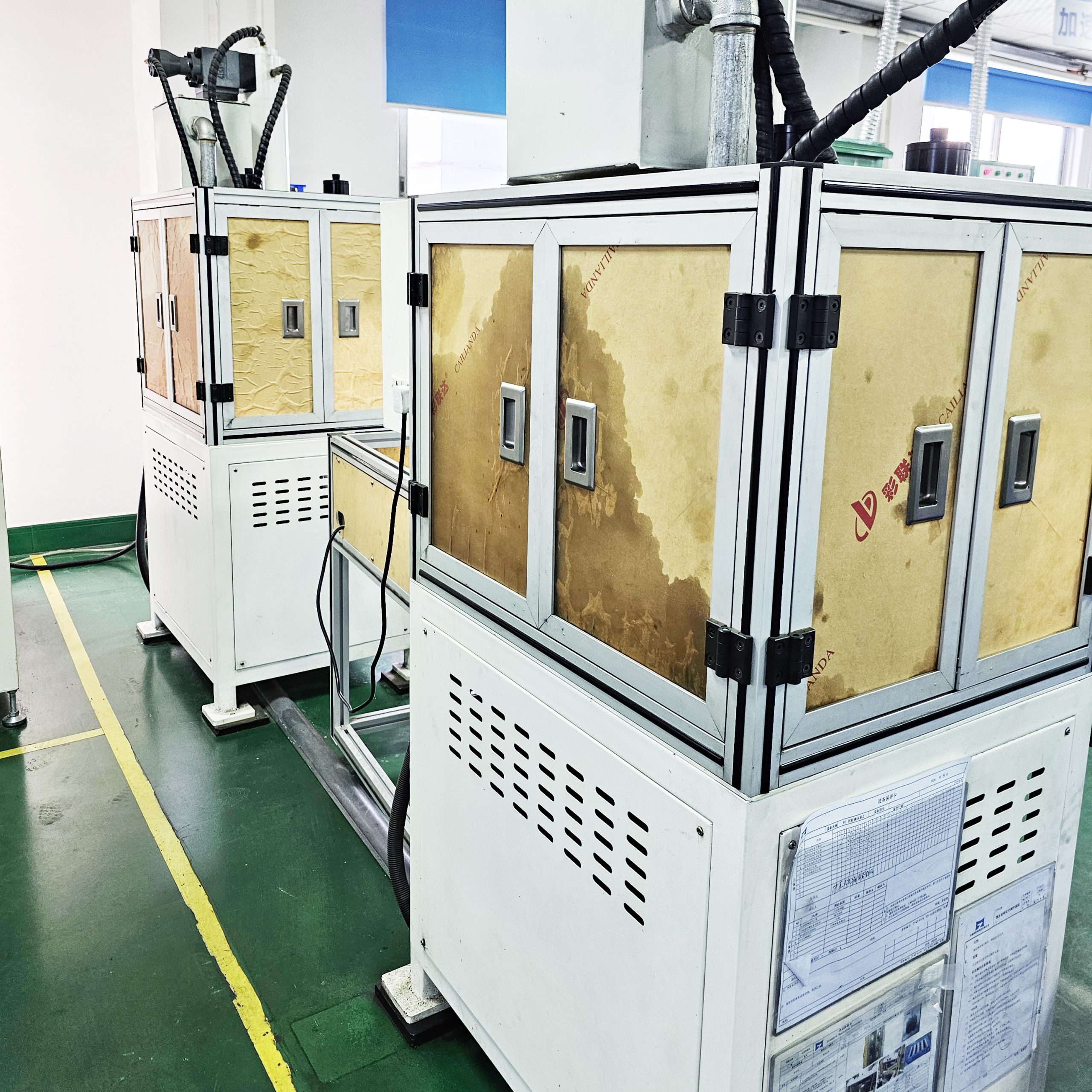
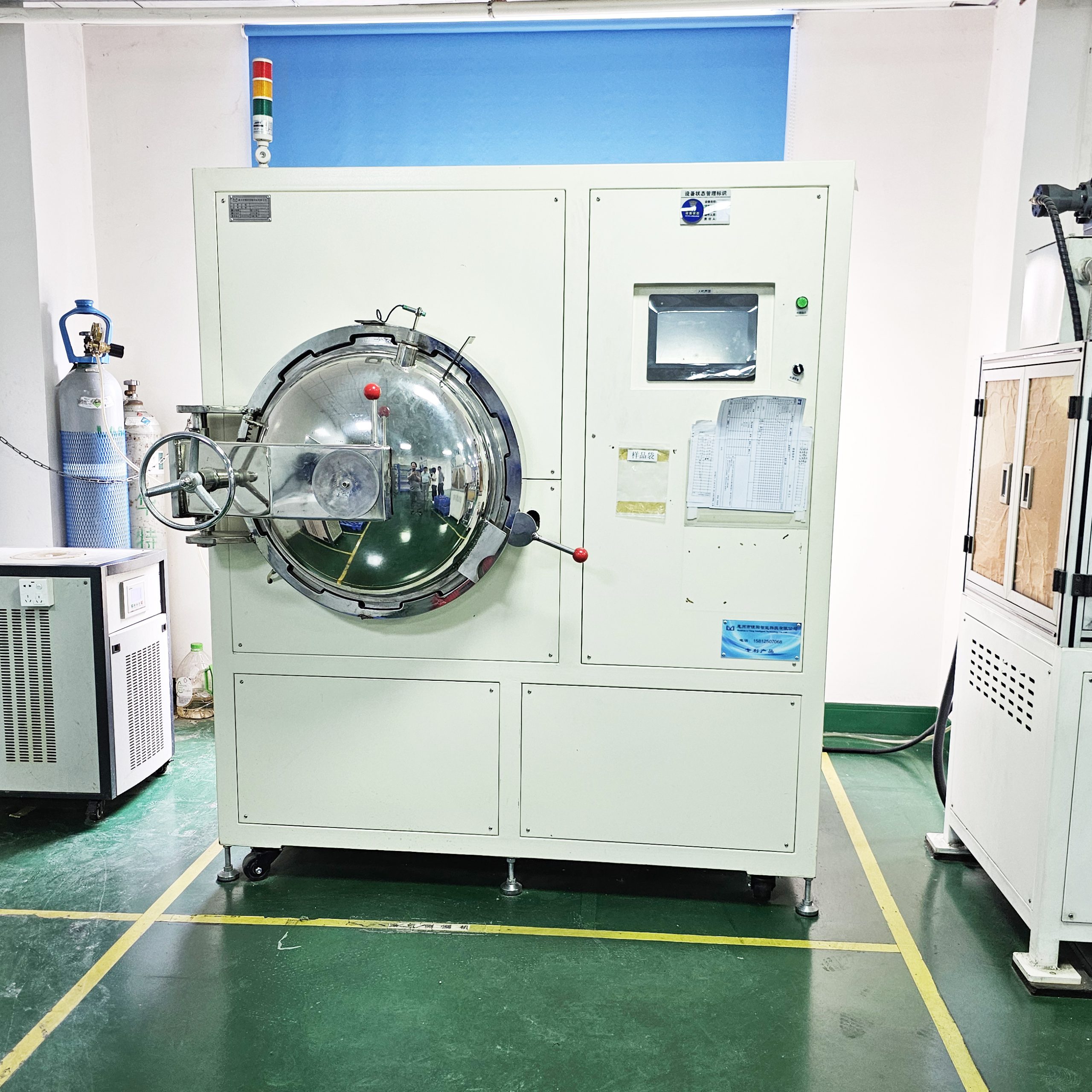
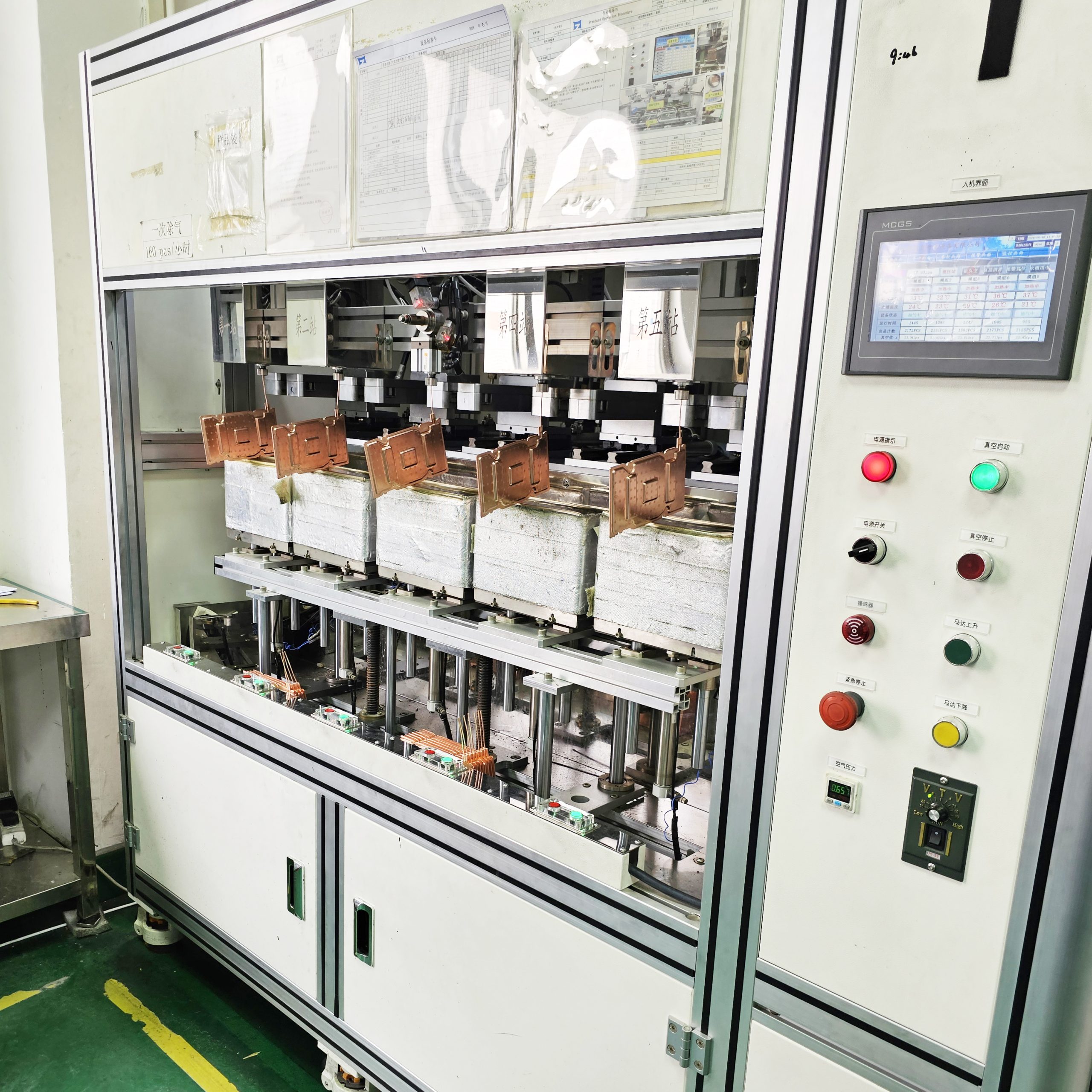
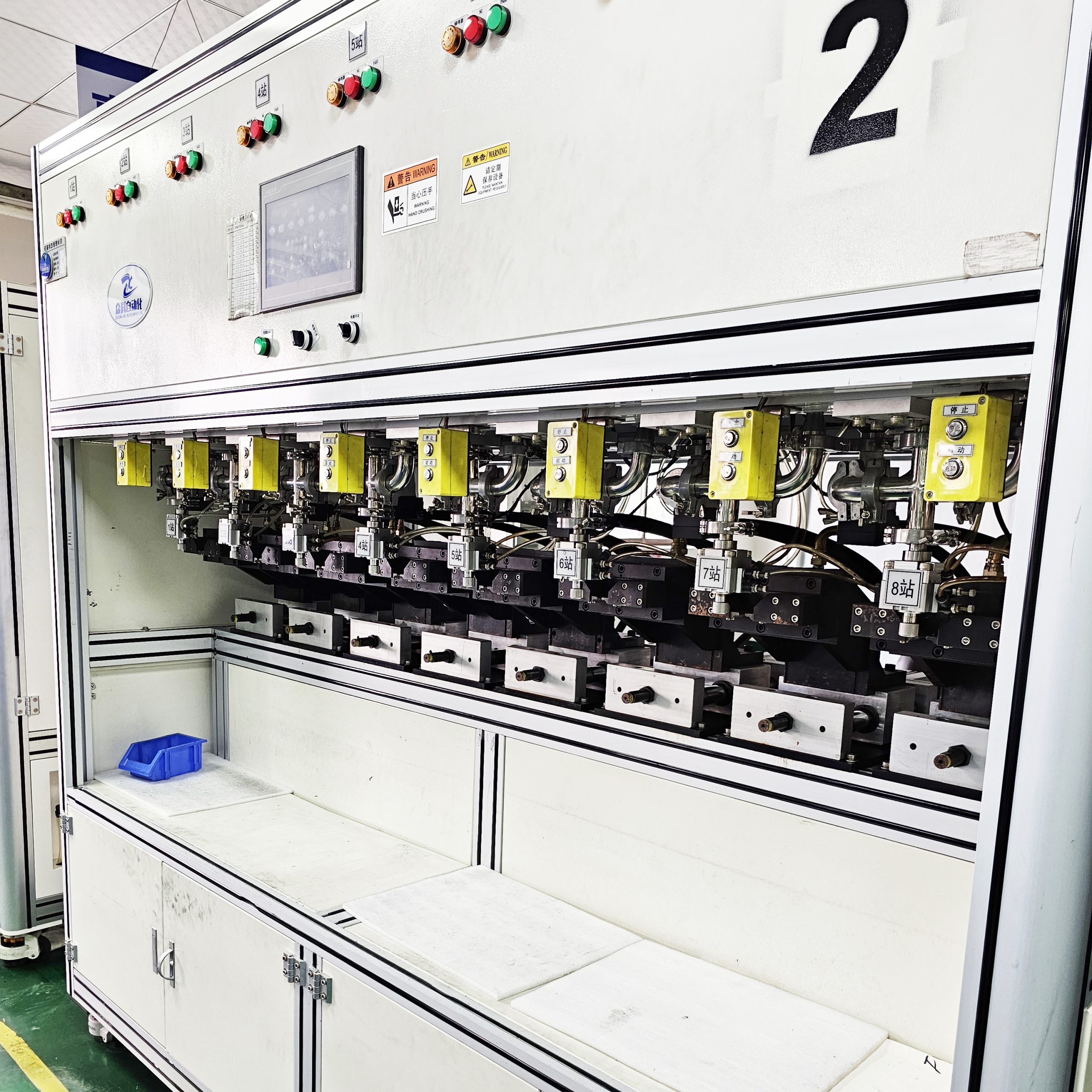
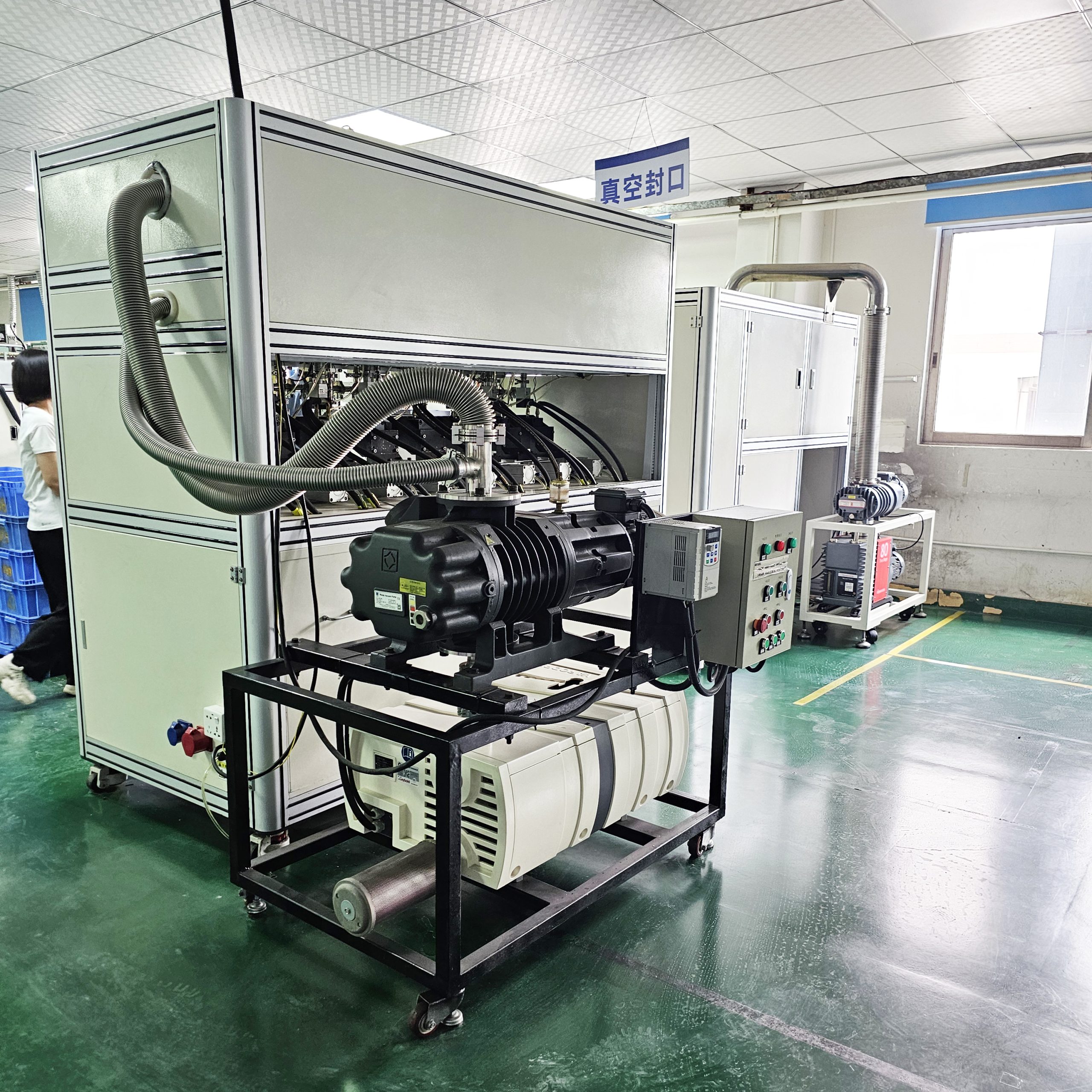
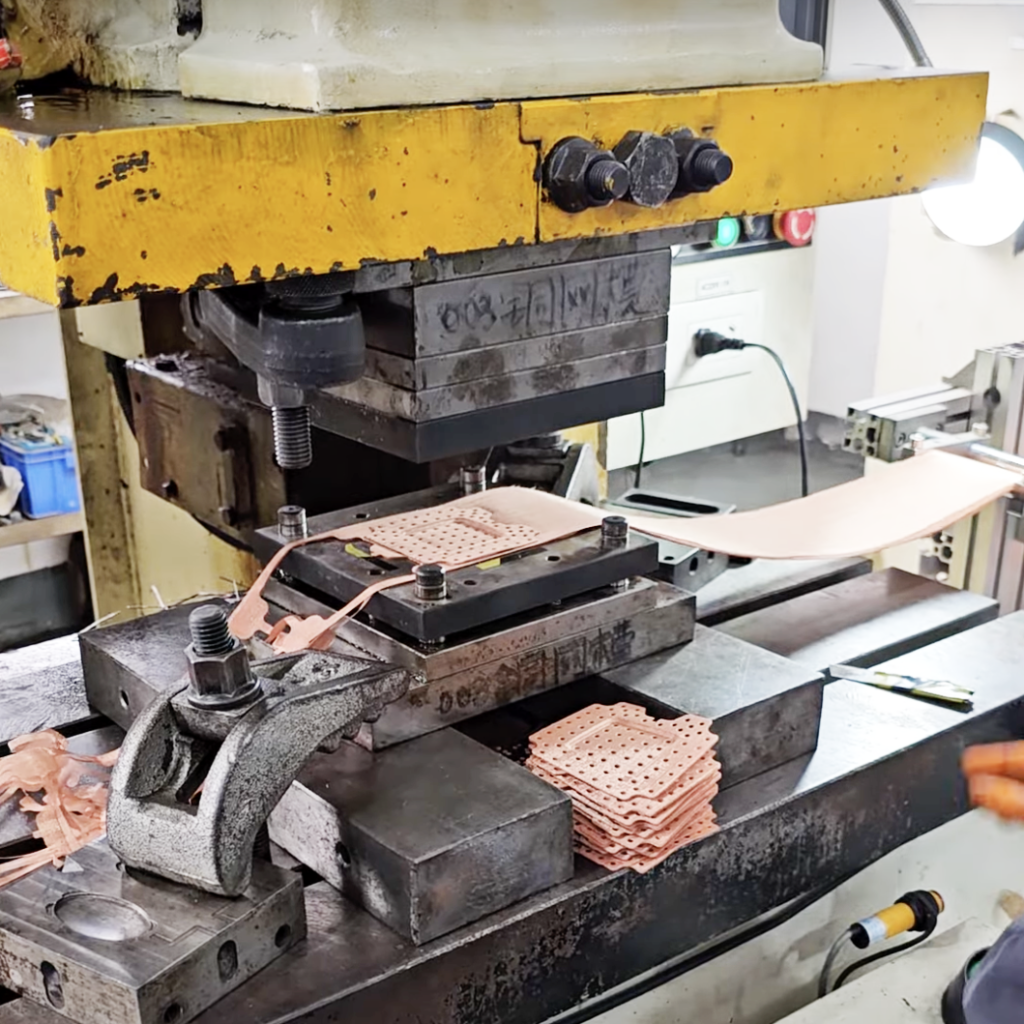
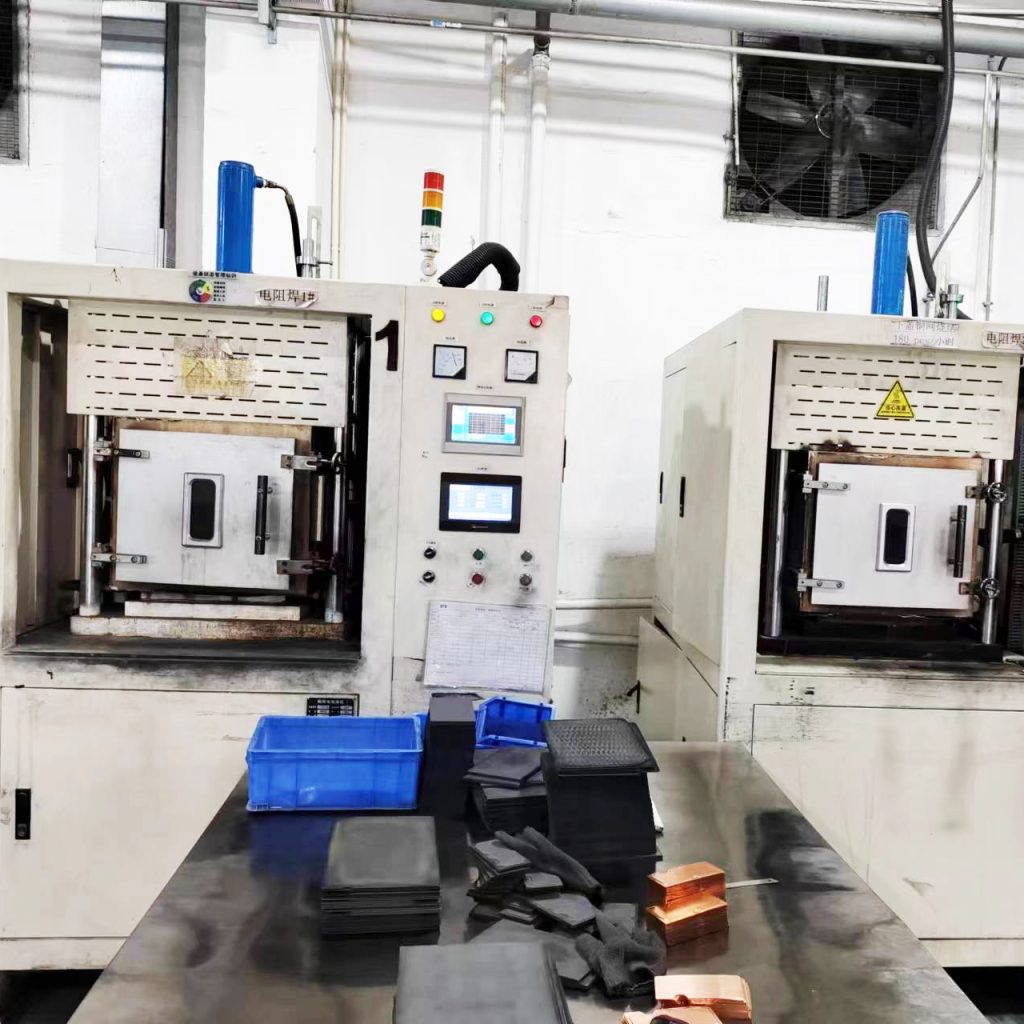
Cofan's Vapor Chamber Machines
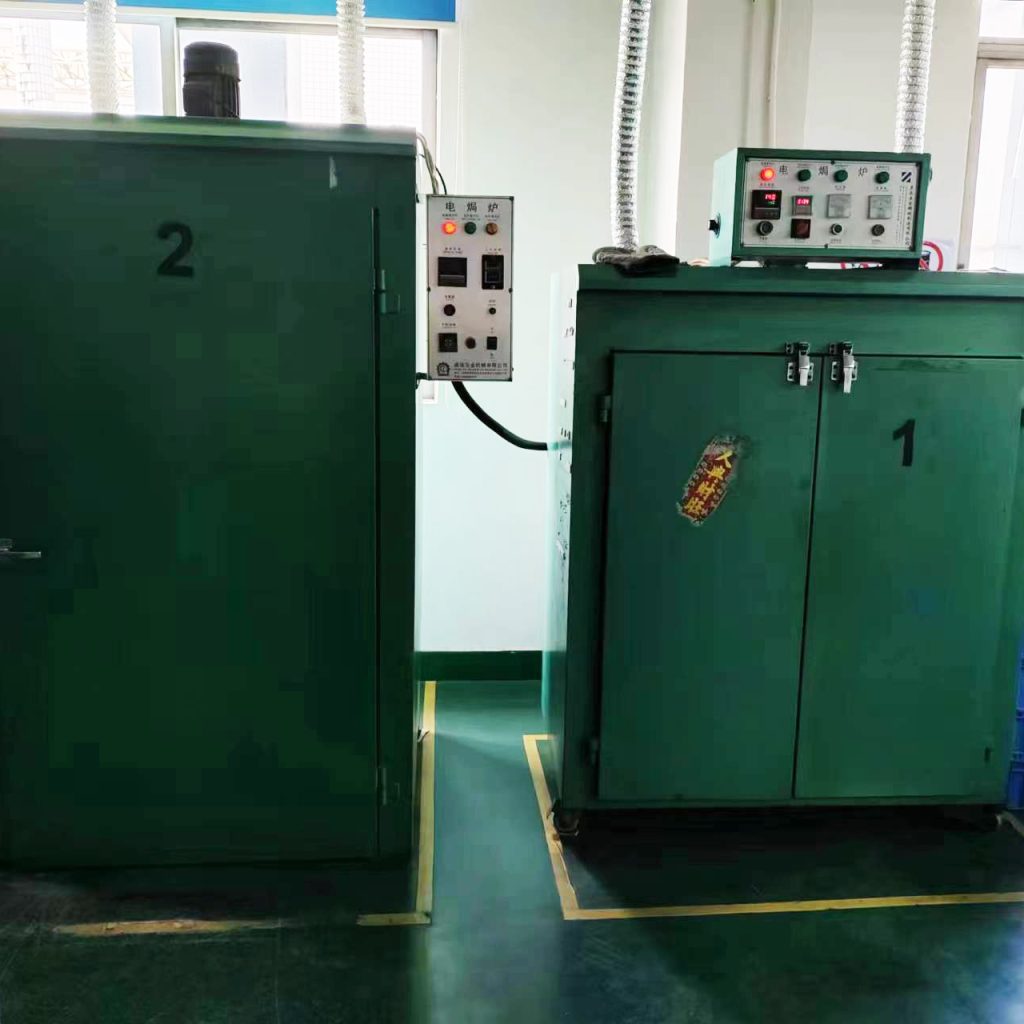
Aging Oven
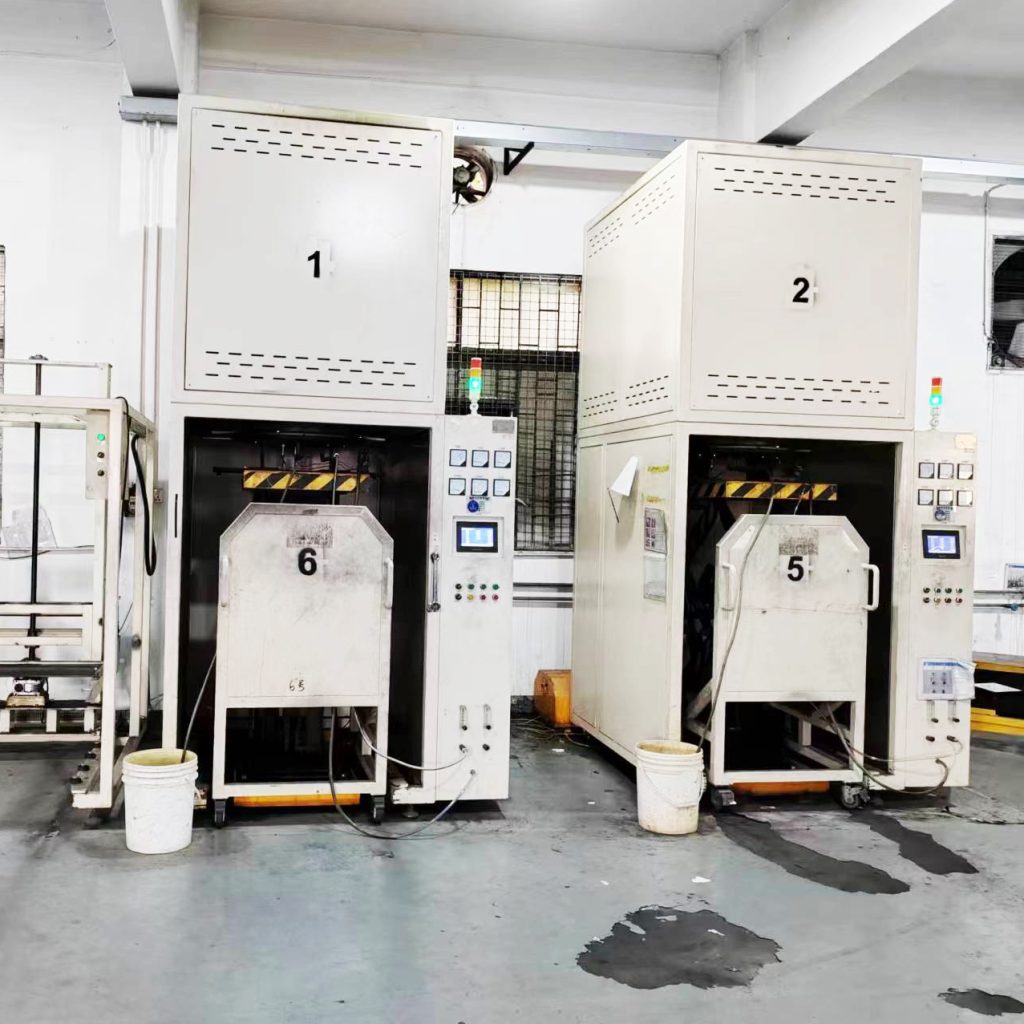
Bell-type Annealing Furnace
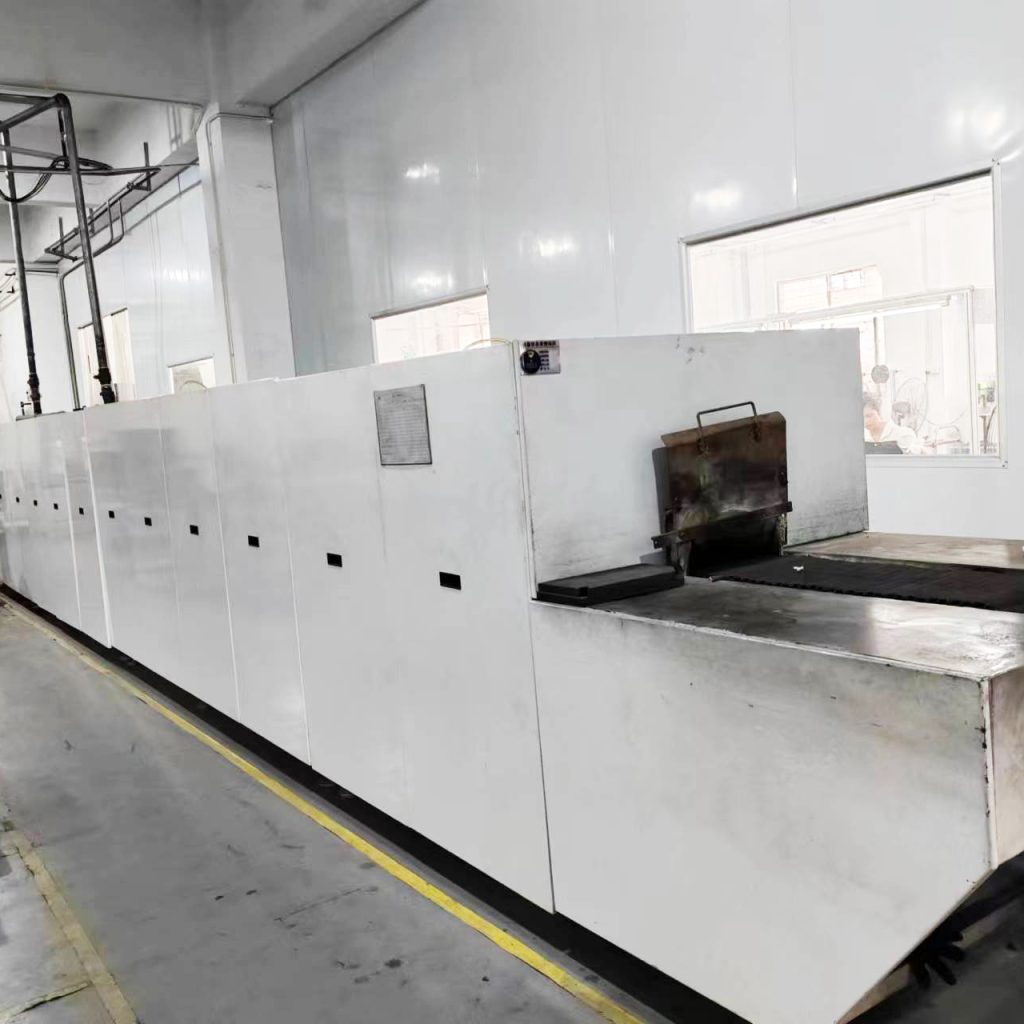
Continuous Sintering Furnace
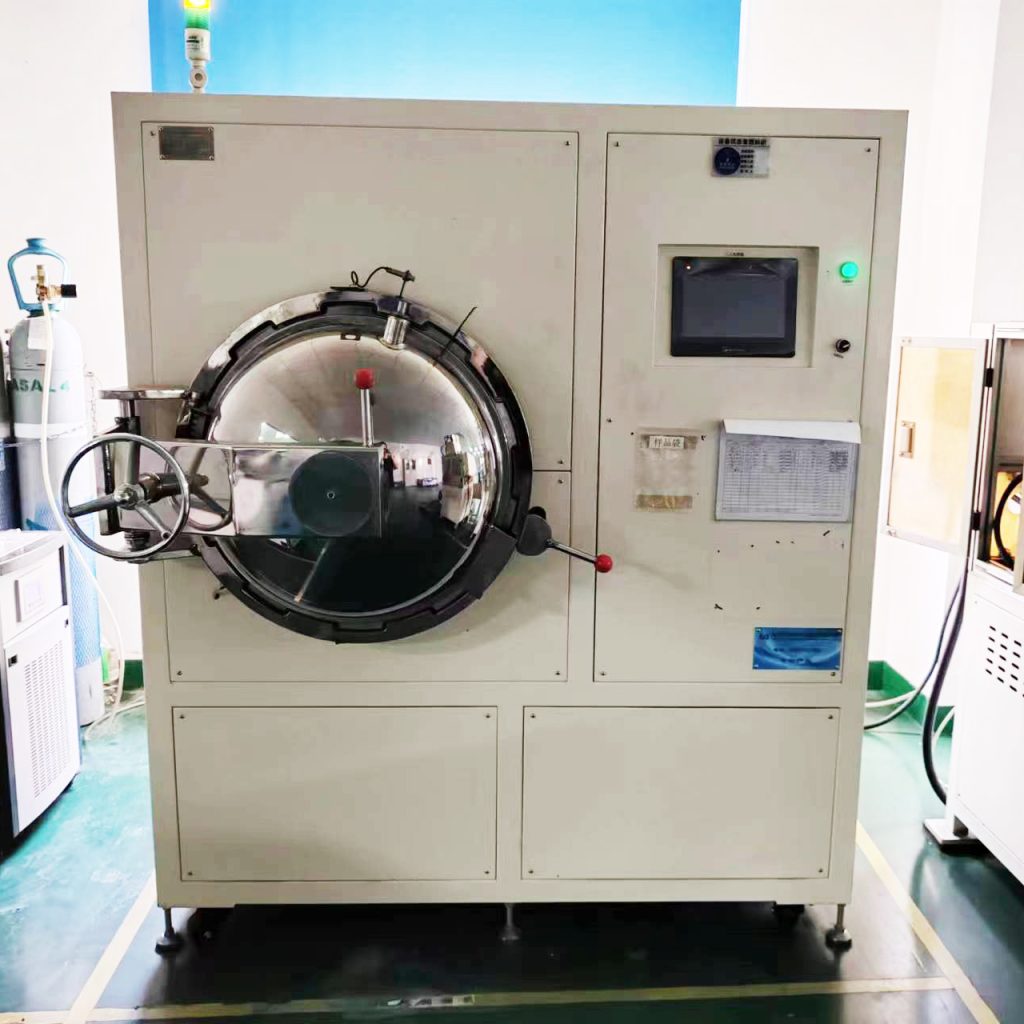
Helium Gas Leak Detector
High-Frequency Welding
Diffusion Welding
Function Testing
Furnace
Laser Machine
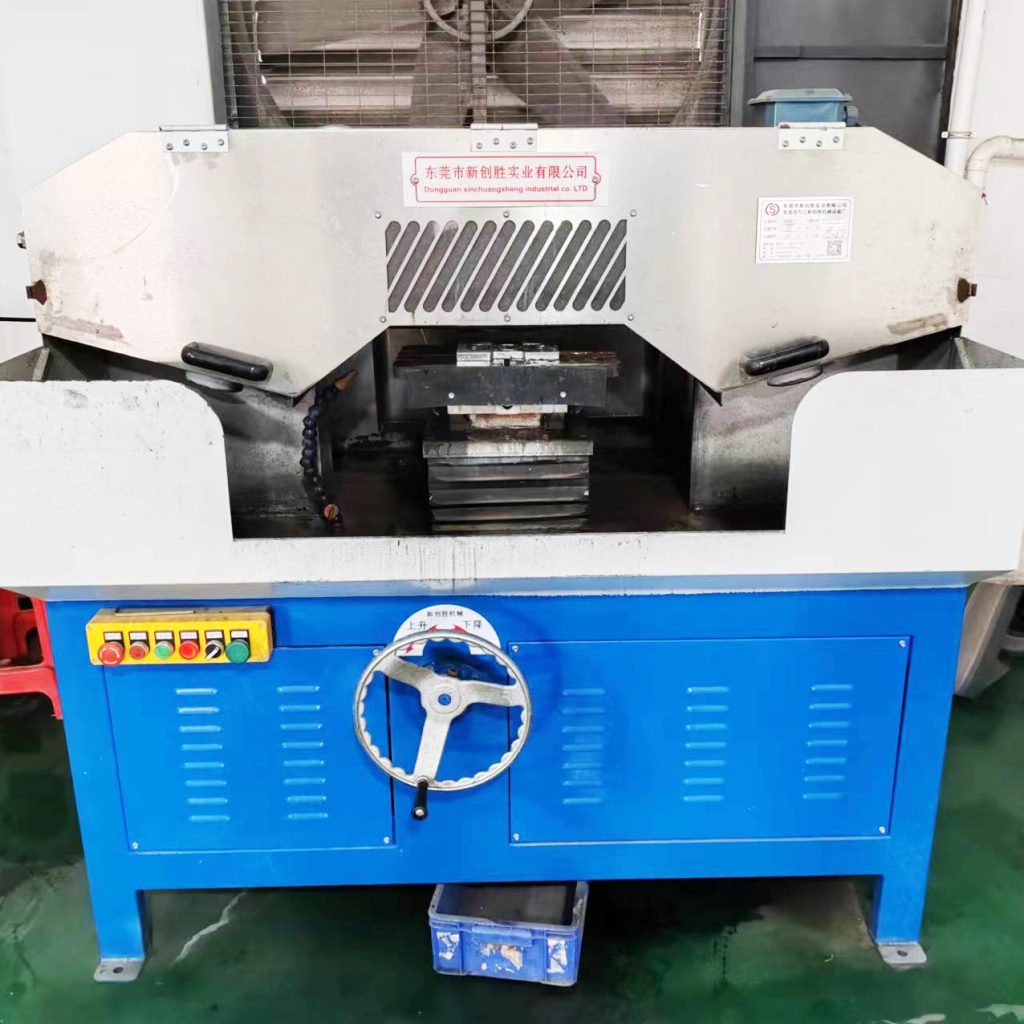
Leveling Machine
Mash Welder
Nitrogen Cabinet
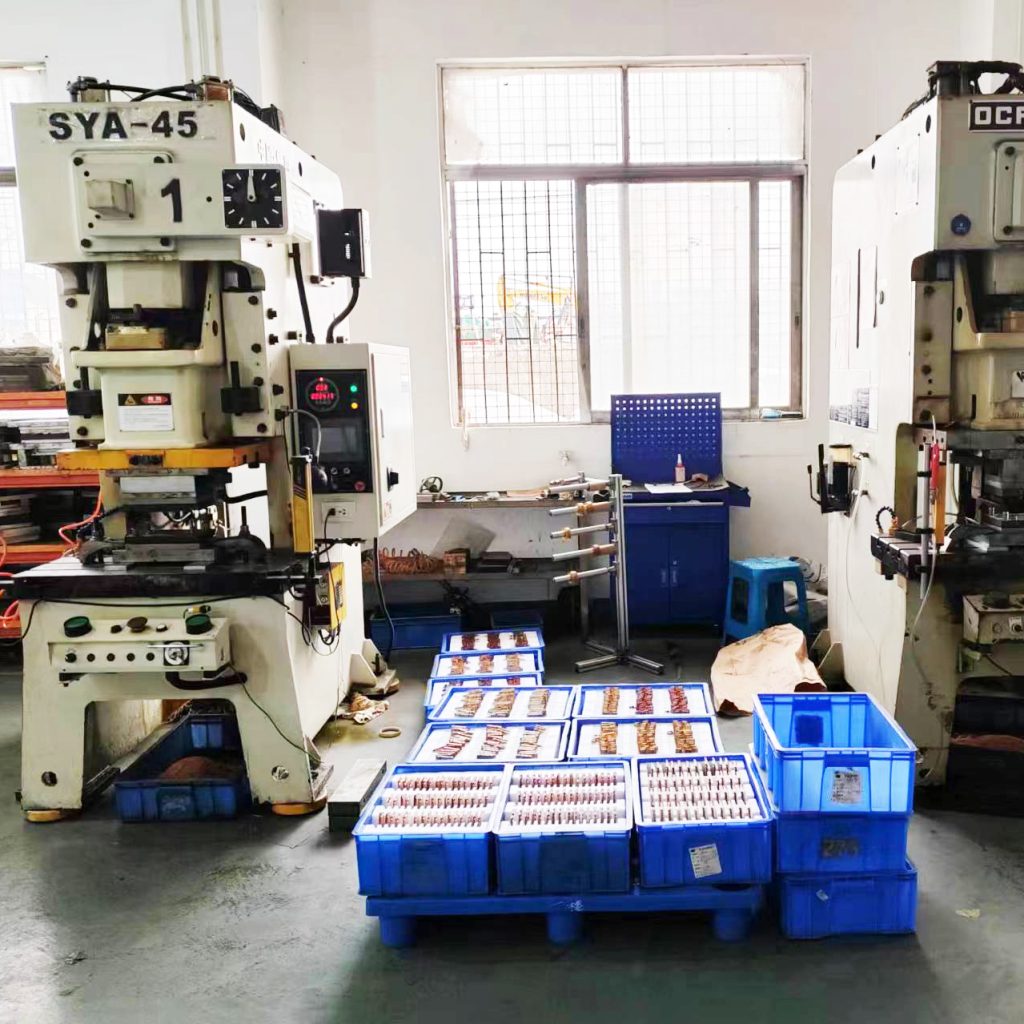
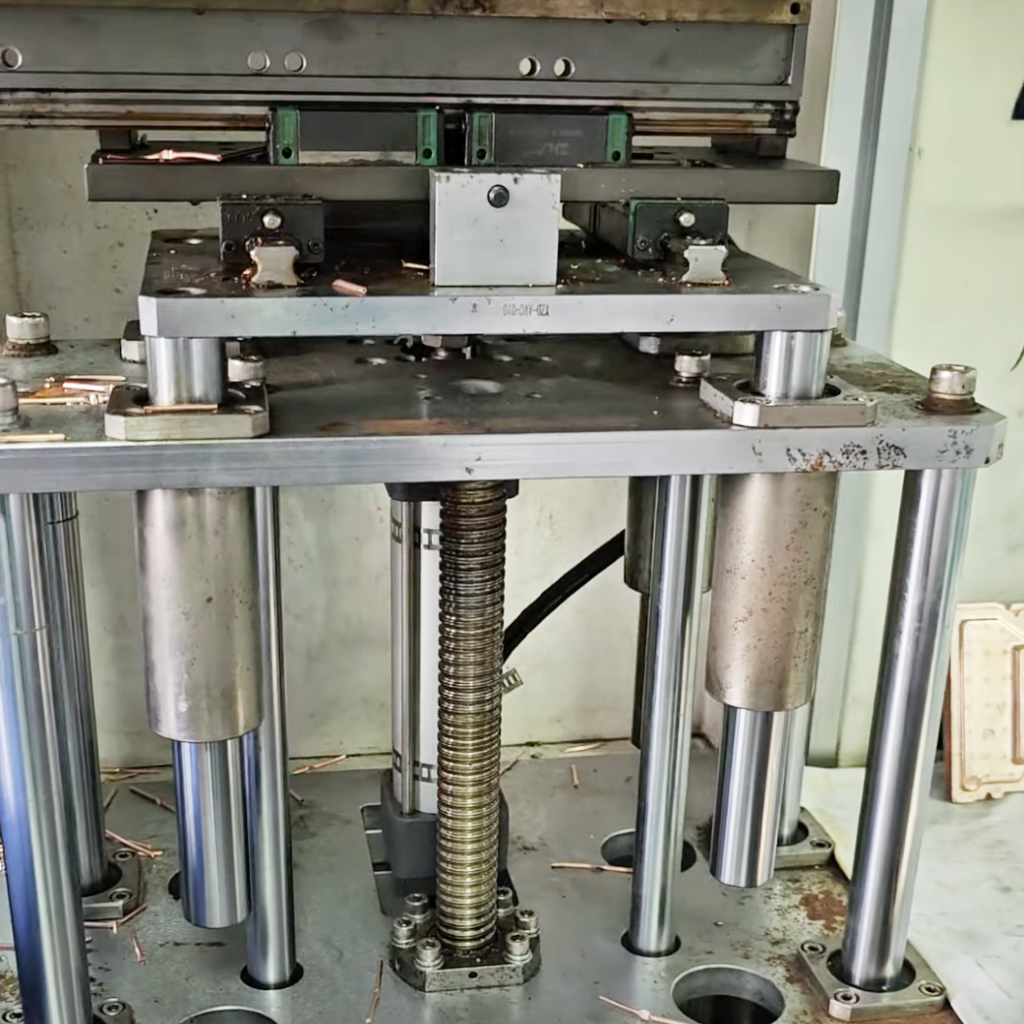
Punching Machine
Punching Machine
Resistance Welding
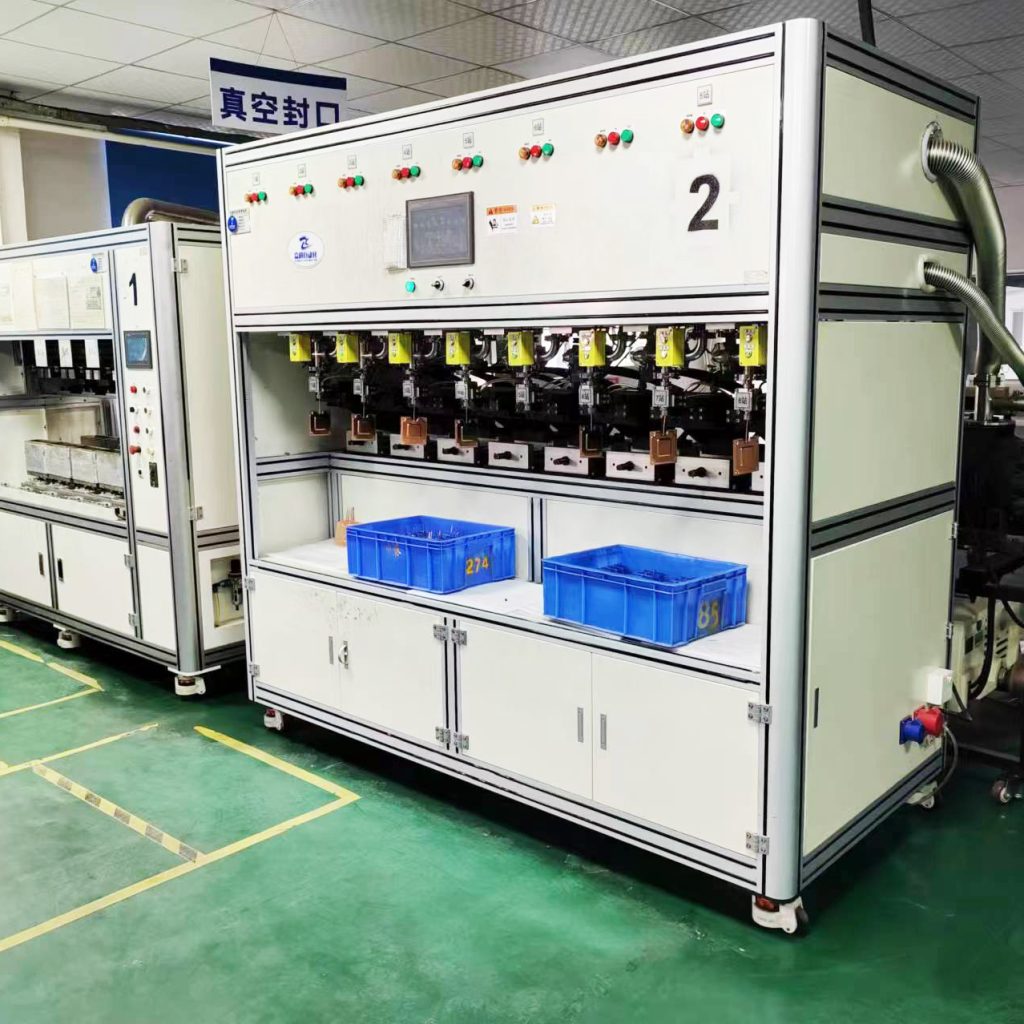
Sealing Machine
Sealing Machine
Vacuum Degassing Machine
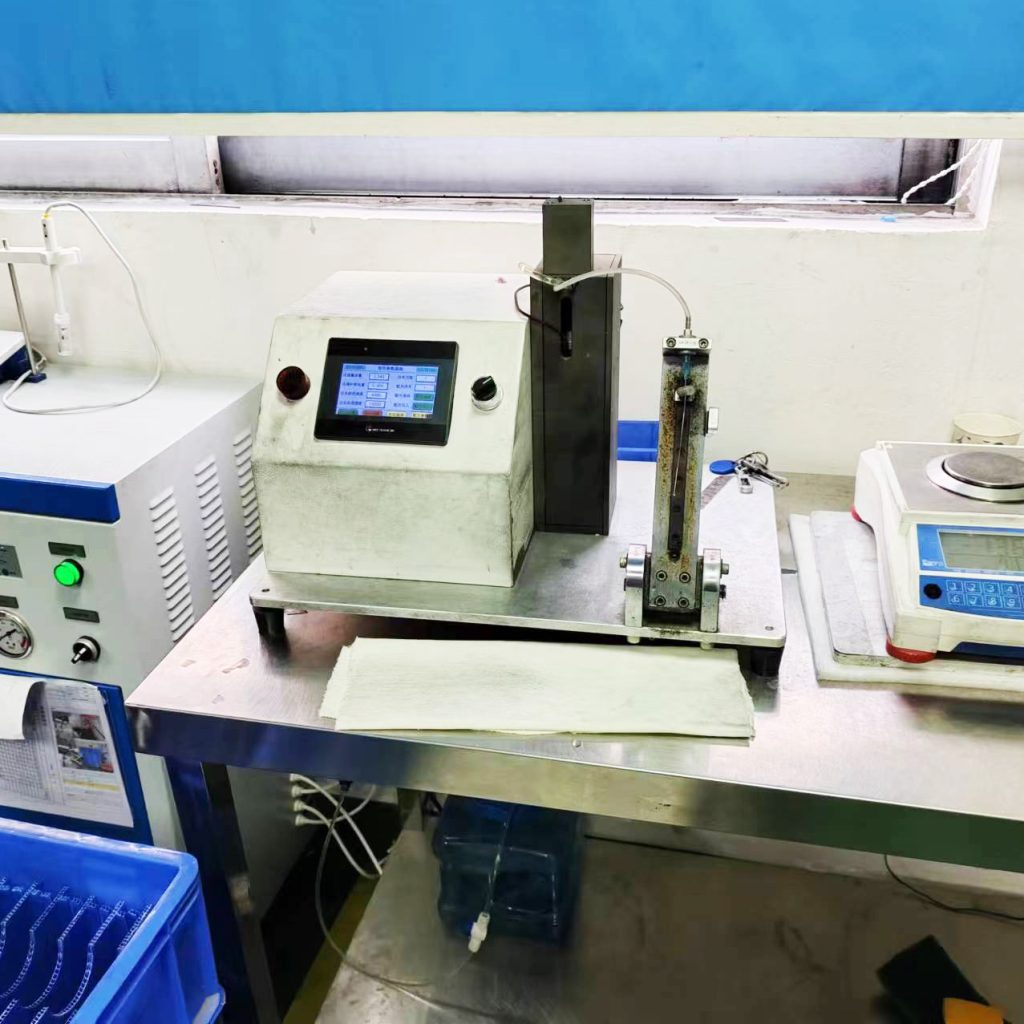
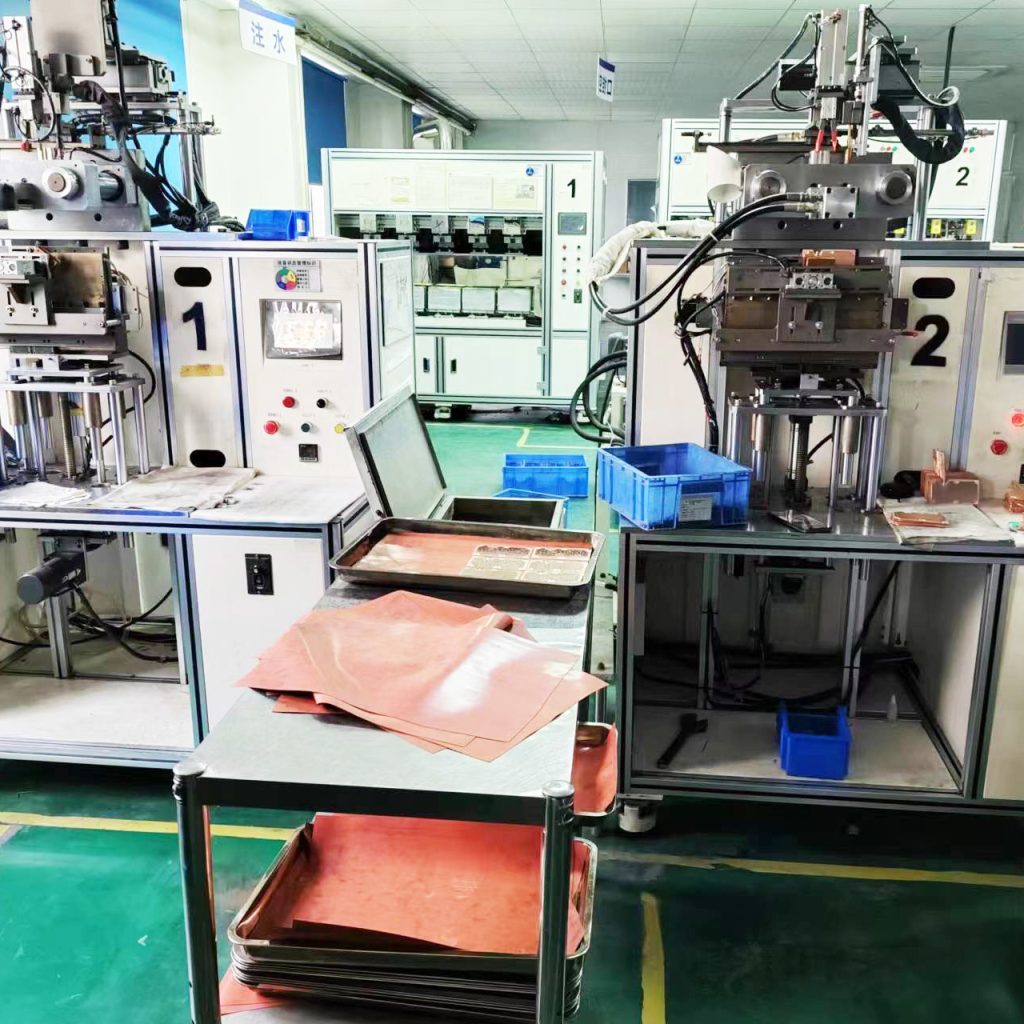
Water Injection Machine
Wire Drawing Machine
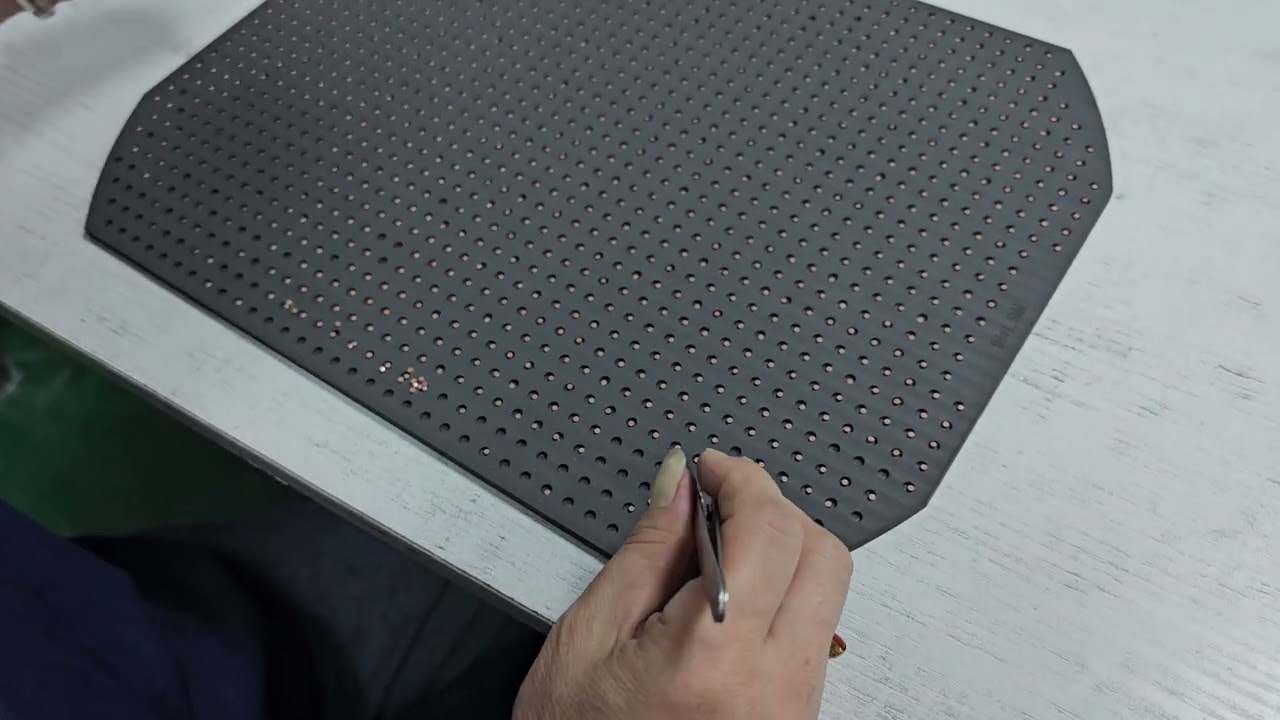
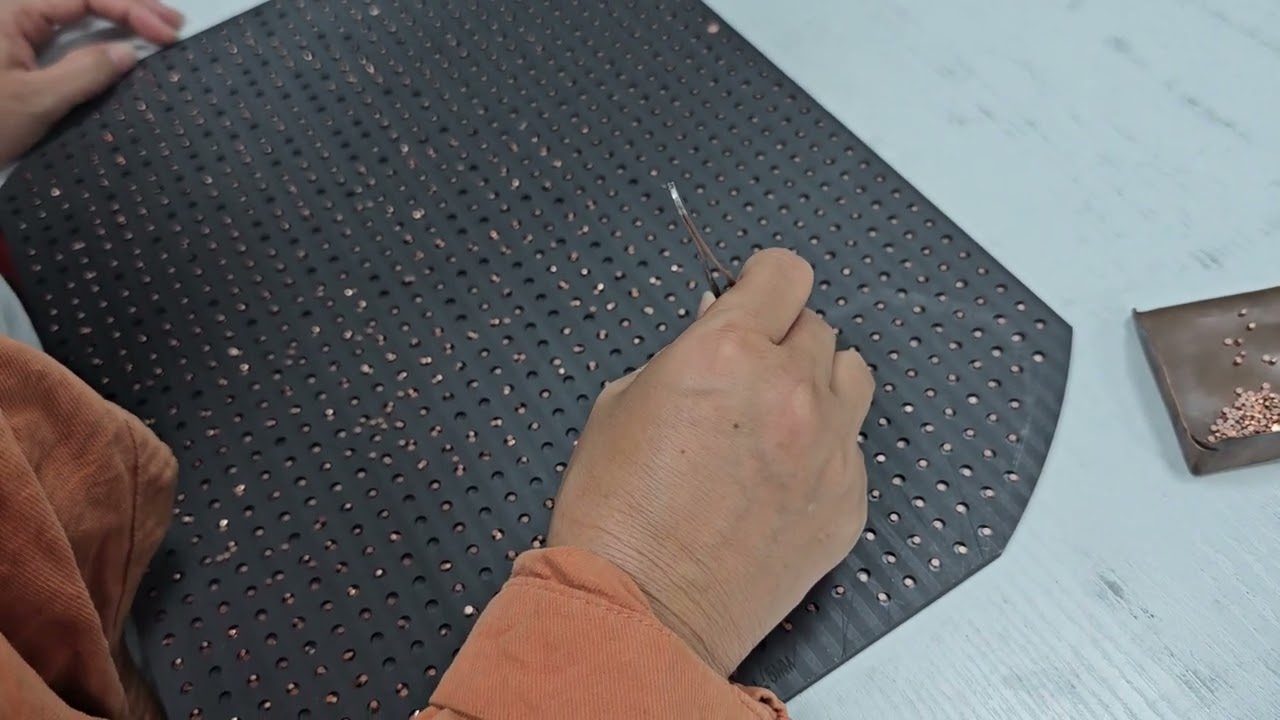
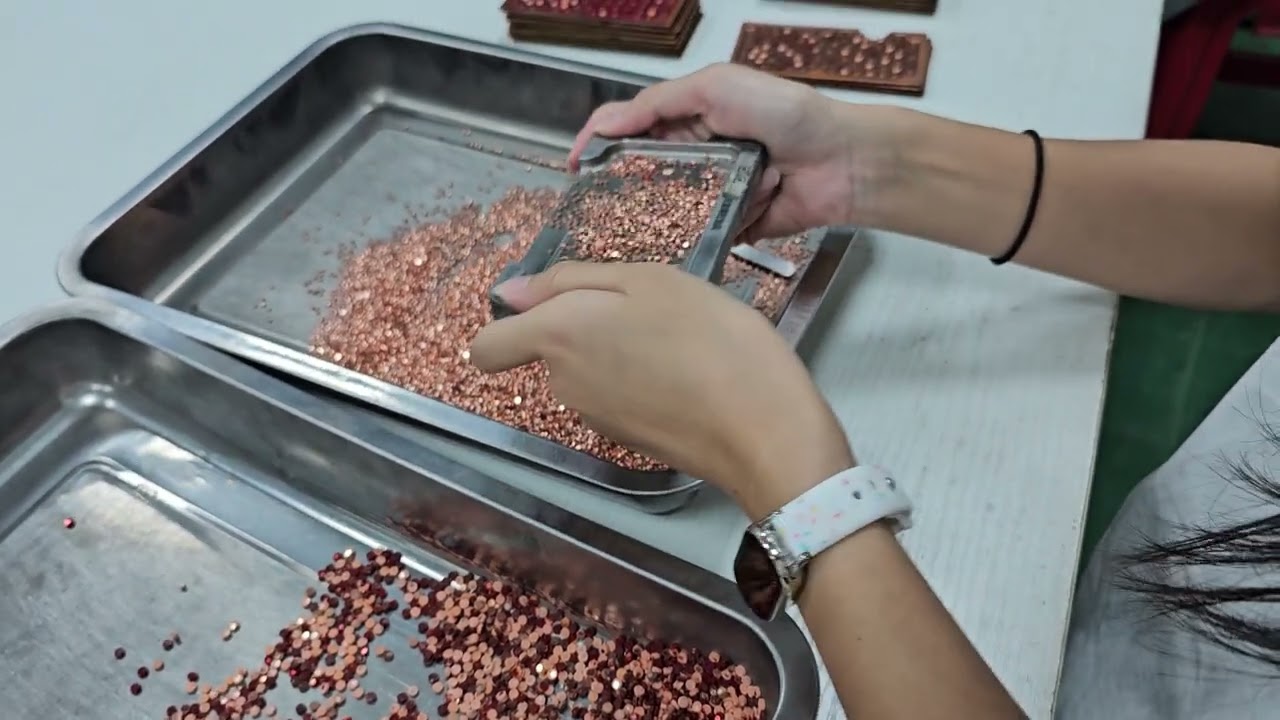
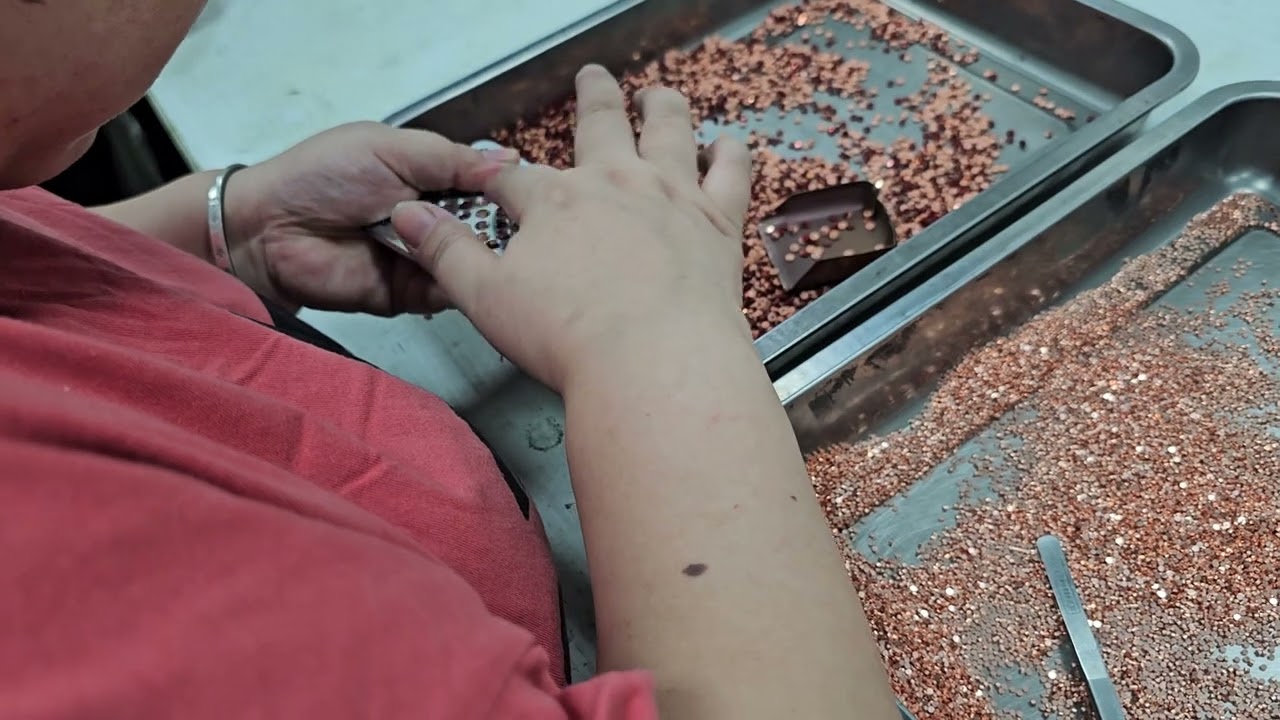
Cofan's Vapor Chamber Processes
Vapor Chamber
Manufacturing Processes
- Heat Spreader Forming
- Degassing Sealing
- Inspection
Manufacturing
- Filling Working Fluid
- Performance Test
- Diffusion Welding
Processes
- Leaking Test
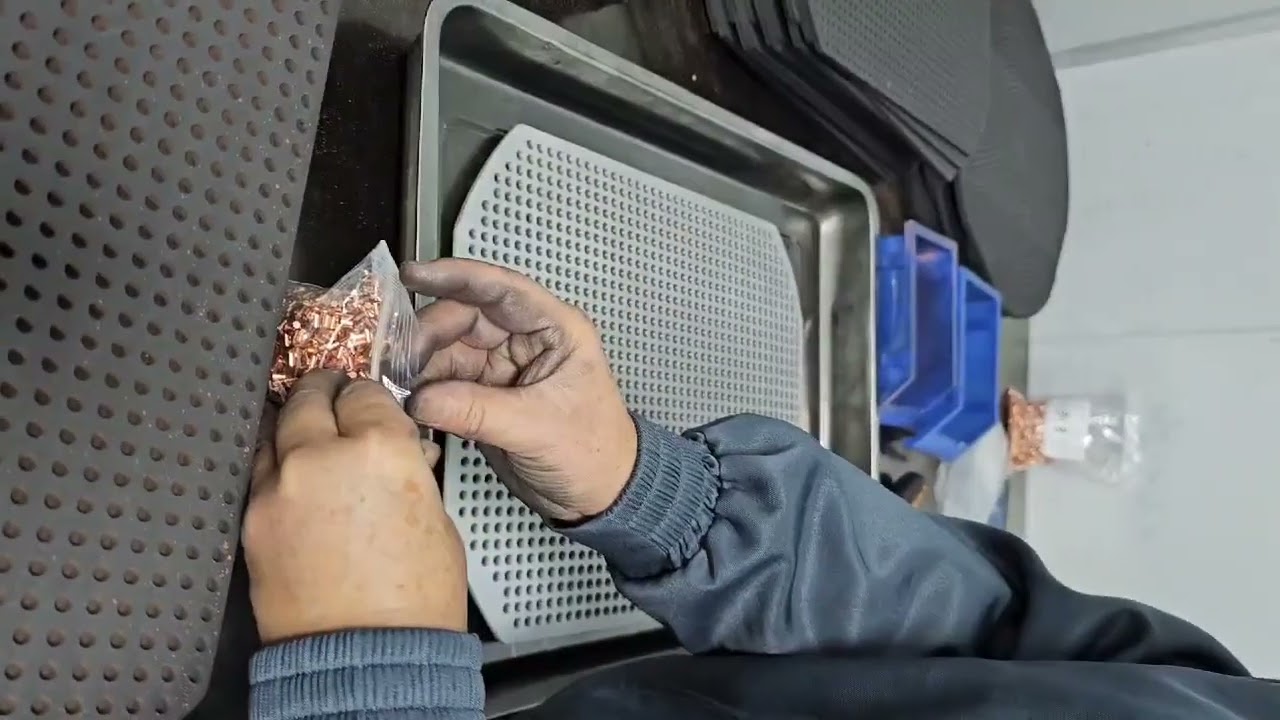
- Support Structure Positioning
- Surface Treatment
Manufacture
- Mesh Structure Forming
- Thermoforming
- Packing